 #01
#0186/100
FTL: Faster Than Light
2012Primary genreStrategy › Run-Based Strategy
Supporting signalsRoguelike · Shopkeeping · Procedural Generation
402 IGDB ratingsOpen entry →
Browse accepted games built around the roguelike structure, with roots, subgenres, and related discovery paths kept visible.
Explore the catalog
Start with a quick scan, then make the same ranked catalog richer until it becomes a long-form showcase.
Best reviewed blends the source score with rating volume. Release order is oldest first, and A–Z is title order. Unusually high scores with very small samples are treated as uncorroborated outliers until more players weigh in.
#01Primary genreStrategy › Run-Based Strategy
Supporting signalsRoguelike · Shopkeeping · Procedural Generation
 #02
#02Primary genreStrategy › Deckbuilding Strategy
Supporting signalsRoguelike · Roguelite
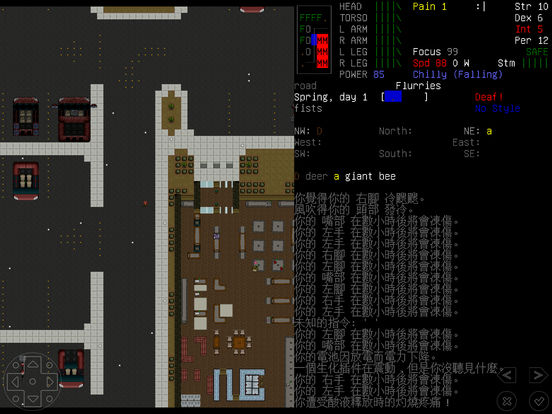 #03
#03Primary genreRPG › WRPG
Supporting signalsRoguelike · Survival · Crafting
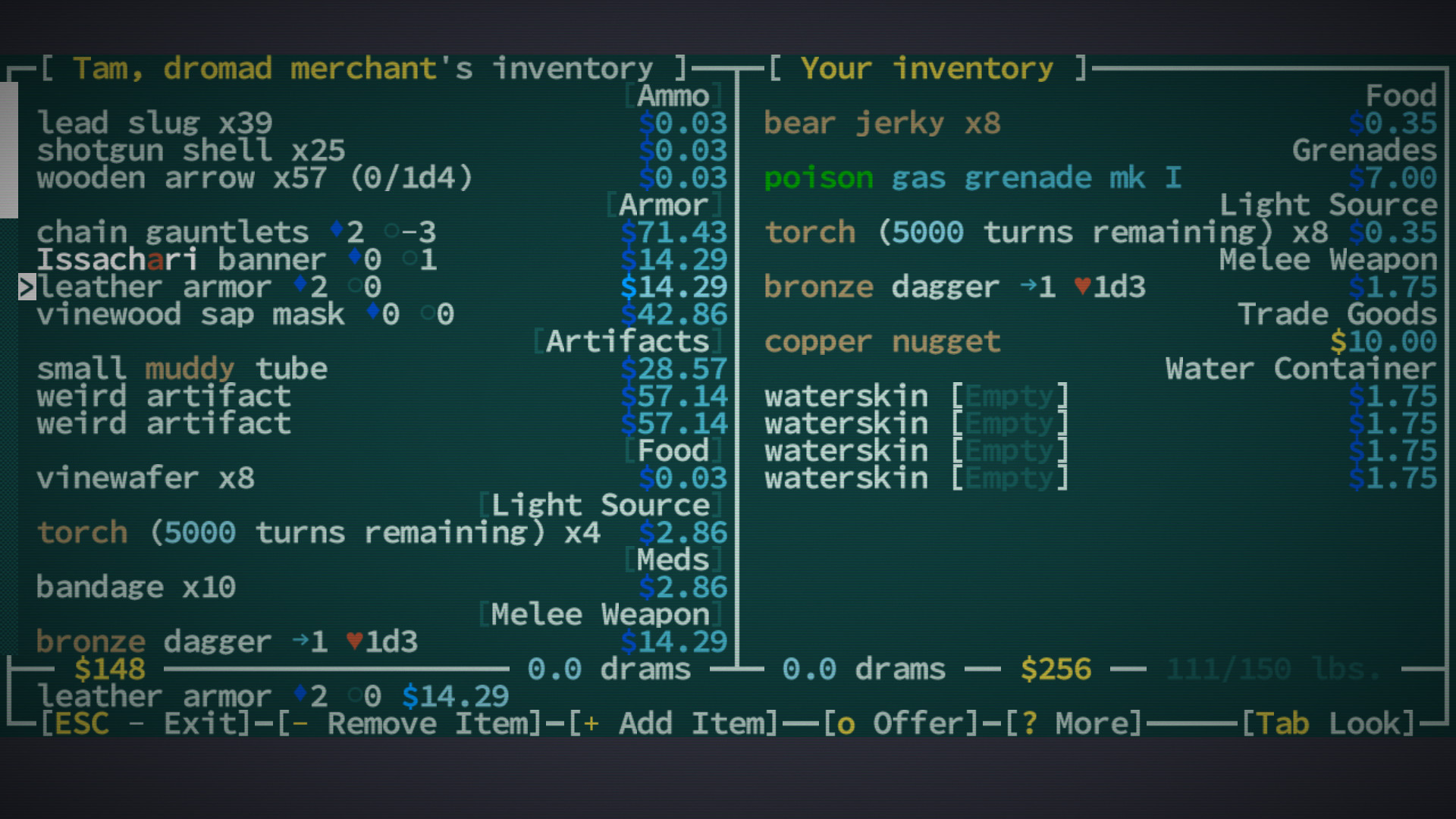 #04
#04Primary genreRPG › WRPG
Supporting signalsRoguelike · Crafting · Exploration
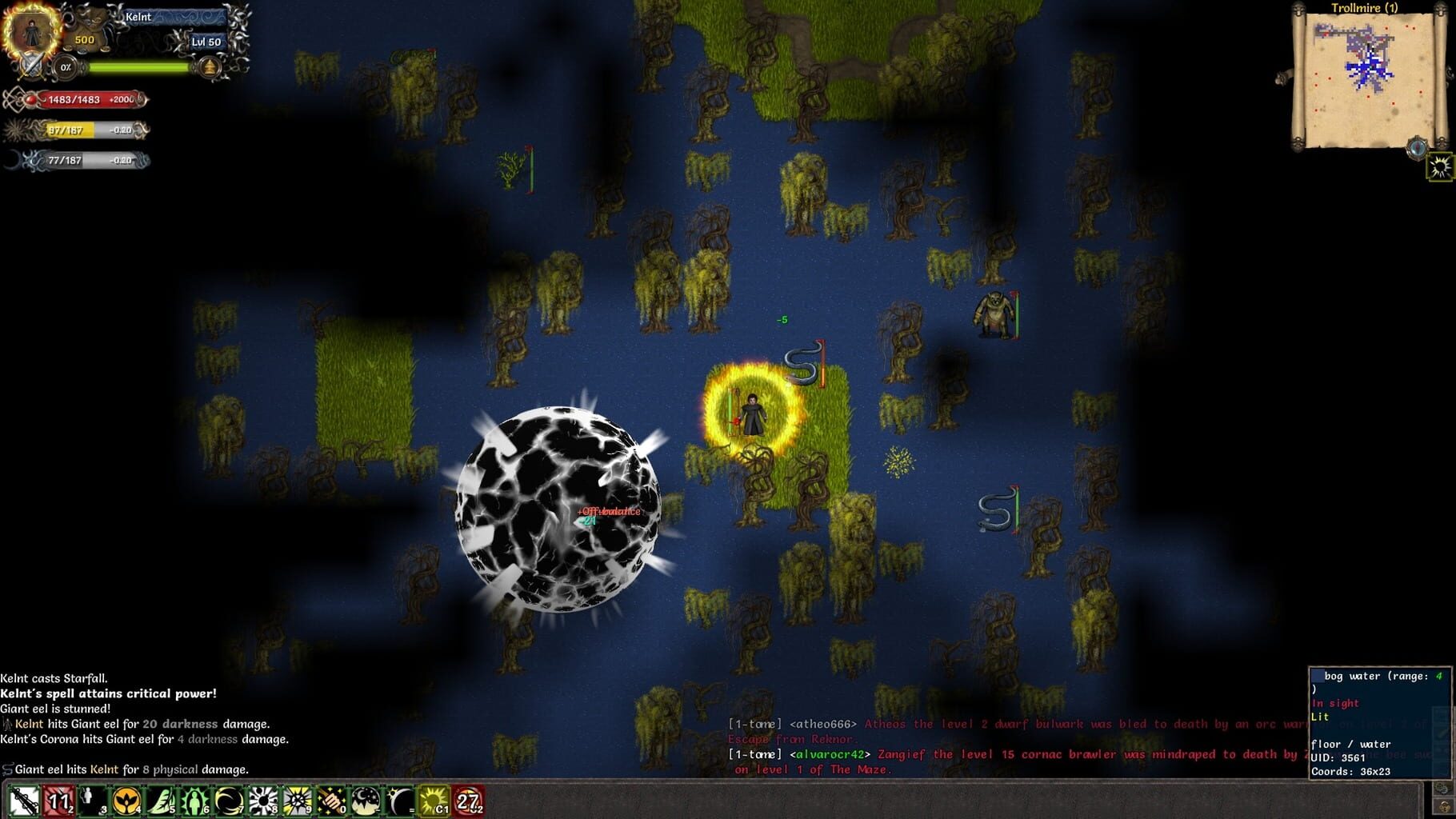 #05
#05Primary genreRPG › Dungeon Crawler
Supporting signalsRoguelike
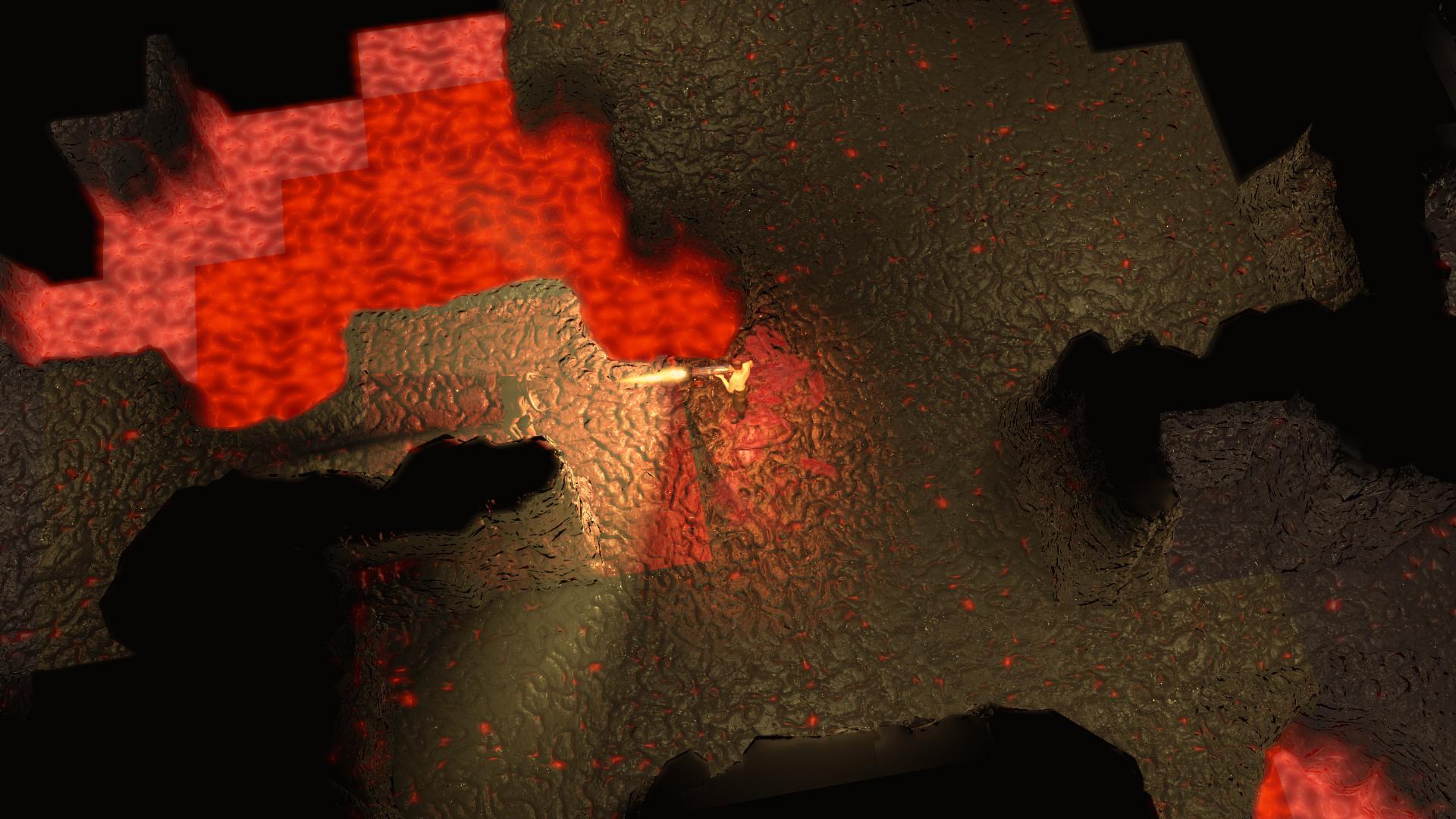 #06
#06Primary genreRPG › Dungeon Crawler
Supporting signalsRoguelike
 #07
#07Primary genreRPG › Dungeon Crawler
Supporting signalsRoguelike · Exploration
 #08
#08Primary genreRPG › Dungeon Crawler
Supporting signalsRoguelike · Mystery
 #09
#09Primary genreStrategy › Deckbuilding Strategy
Supporting signalsRoguelike
 #10
#10Primary genreStrategy › Deckbuilding Strategy
Supporting signalsRoguelike
 #11
#11Primary genreStrategy › Deckbuilding Strategy
Supporting signalsRoguelike
 #12
#12Primary genreSimulation › Survival Sim
Supporting signalsOpen World · Survival · Roguelike
Observed alongside this lens
Why these games appear
Run-based play with procedural variation and substantial reset on failure.
Include when
Runs use procedural or variable content and substantial failure reset, with the run itself—not only persistent upgrades—as the main progression unit.
Leave out when
Do not use Roguelike for every randomized game; persistent-progression-first games belong under Roguelite when that is the dominant structure.