Your game
Save it for later
Track progress or keep it in a collection.
Overview
About
Read storyline and full description
CheckpointDB editorialCurator context
Spotlight on Hades
A masterclass in rogue-lite design. Hades brilliantly solves the genre's repetitive nature by weaving story progression directly into the death loop, supported by an exceptionally tight, fluid combat system and deep elemental god boon synergies.
Hades is a fast-paced isometric action rogue-lite that masterfully weaves narrative progression directly into its repetitive death loop. Zagreus must fight through four distinct mythological underworld chambers (Tartarus, Asphodel, Elysium, and the Temple of Styx) to escape. Progression is governed by choosing door rewards (such as boons, obols, darkness, keys, and hearts) that build your character's mechanical identity run by run. You wield six unique Infernal Arms, including the Stygian Blade and Aegis Shield, which are completely transformed by Olympian Boons. These boons create deep systemic synergies (e.g., Zeus adds chain-lightning on rapid strikes, Aphrodite reduces enemy damage output via Weak states, Poseidon adds physical knockback). Dying is never a pure setback: it resets you back to the House of Hades, where you permanently upgrade statistics using Darkness at the Mirror of Night and unlock new narrative lines and relationships with characters like Achilles, Megaera, and Nyx. Runs last about 30-45 minutes and run beautifully at a locked 60fps on handheld platforms.
Strengths
- Exceptionally fluid action combat
- Flawless narrative integration with death
- Deep elemental Olympian boon synergies
Caveats
- Zone recycling can feel repetitive
- Elysium difficulty spike
Context
Developed by Supergiant Games (creators of Bastion, Transistor, and Pyre) over nearly three years of active Early Access development. Hades became the first video game to win a Hugo Award, swept the Game Developers Choice Awards and BAFTA Games Awards, and stands as Supergiant's most commercially and critically successful masterpiece.
✦ CheckpointDB Lens
Why might I like this game?
A quick, evidence-backed read. Deeper comparisons stay available in the full Lens.
Continue exploring
Explore more
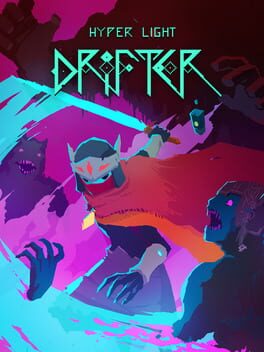 Hyper Light DrifterRPG
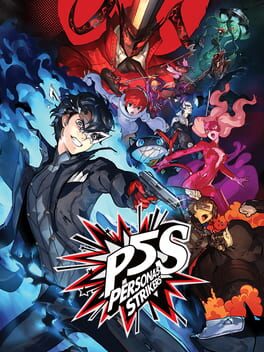 Persona 5 StrikersRPG
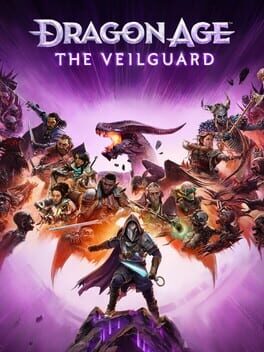 Dragon Age: DreadwolfRPG
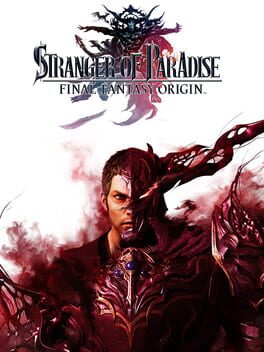 Stranger of Paradise: Final Fantasy OriginRPG
 Lost Soul AsideRPG
 The SurgeRPG
Showing 6 selected matches based on classification and gameplay signals.
Evidence-backed terms used to organize this game in CheckpointDB.