Hades II on Game Pass: Is the Rogue-like Sequel Already the Game of the Year for 2026?
An analysis of Hades II’s massive impact on Xbox Game Pass and whether its iterative brilliance secures its spot as the front-runner for 2026 Game of the Year.
Automated drafting assistance was used in preparing this article; sources and publication remain subject to CheckpointDB editorial review.
Hades II on Game Pass: Is the Rogue-like Sequel Already the Game of the Year for 2026?
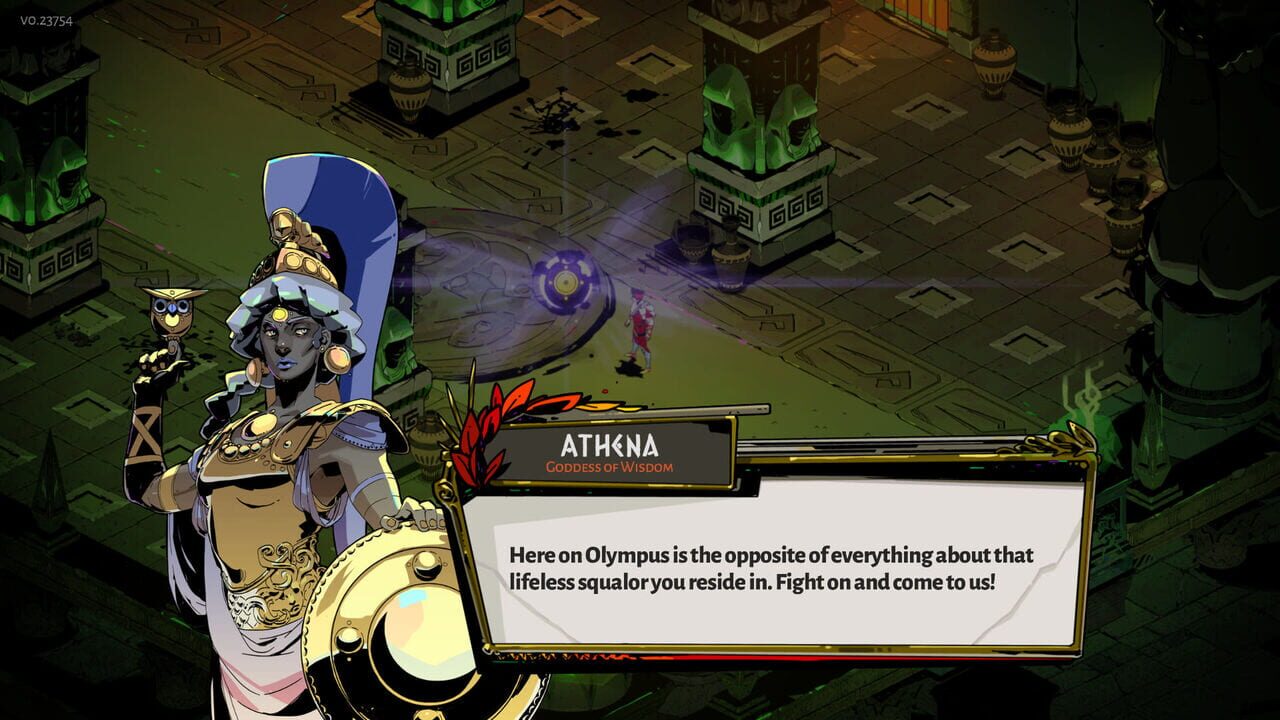
The shadow of the Underworld has never loomed larger over the gaming industry. With the surprise early access launch of Hades II on Xbox Game Pass, Supergiant Games hasn't just released a sequel; they've ignited a conversation about the very nature of iterative design. While the first Hades was a cultural phenomenon that redefined the rogue-like genre for a mainstream audience, its successor feels like a masterclass in expansion, refinement, and tonal subversion. The question is no longer whether it’s a good game, but whether anything else released in 2026 can possibly stand in its way.
The immediate impact of Hades II being available on Game Pass cannot be overstated. By removing the barrier of entry, Microsoft and Supergiant have ensured that the game’s "Frozen Stories" (a nod to the atmospheric depth found in 4A's works) are being experienced by millions on day one. This accessibility, combined with the game's inherent "one more run" addictiveness, has created a level of cultural saturation that is usually reserved for the likes of Elden Ring or The Legend of Zelda.
The Witch vs. The Prince: A New Mechanical Identity
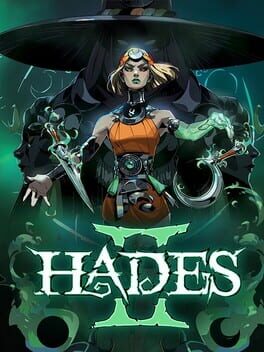
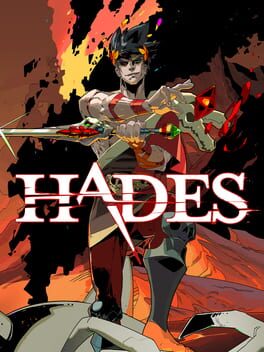
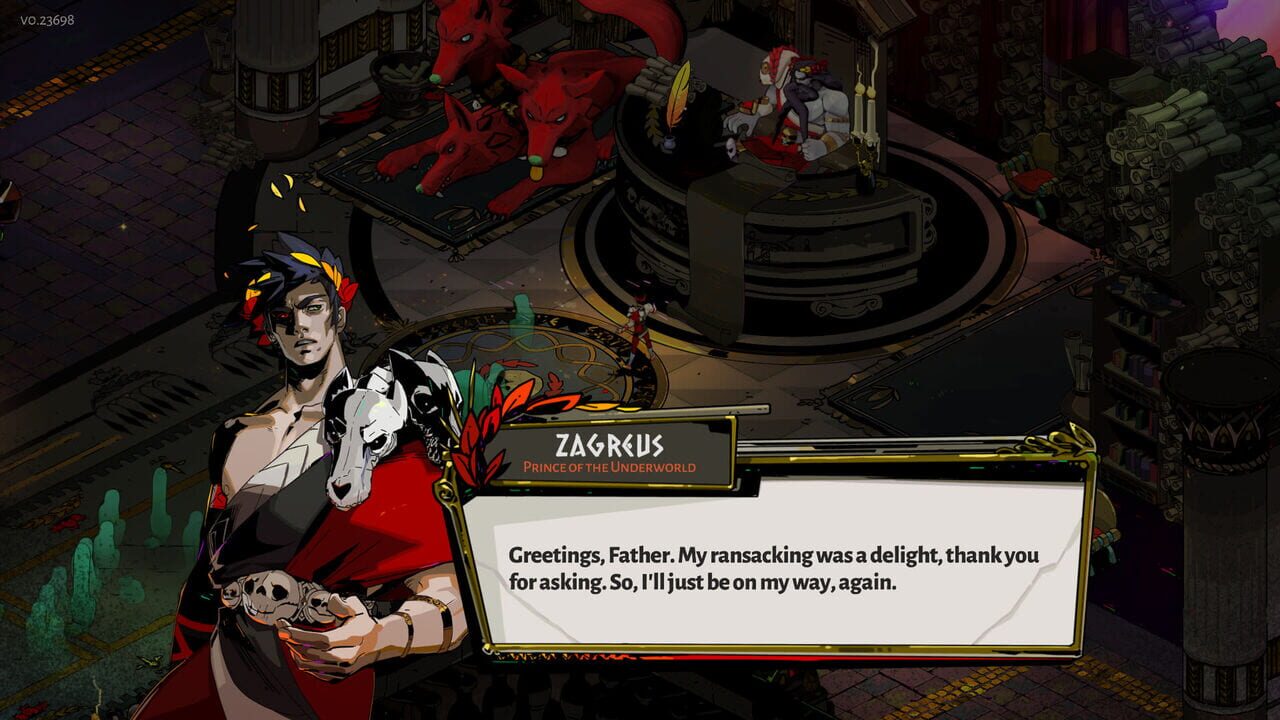
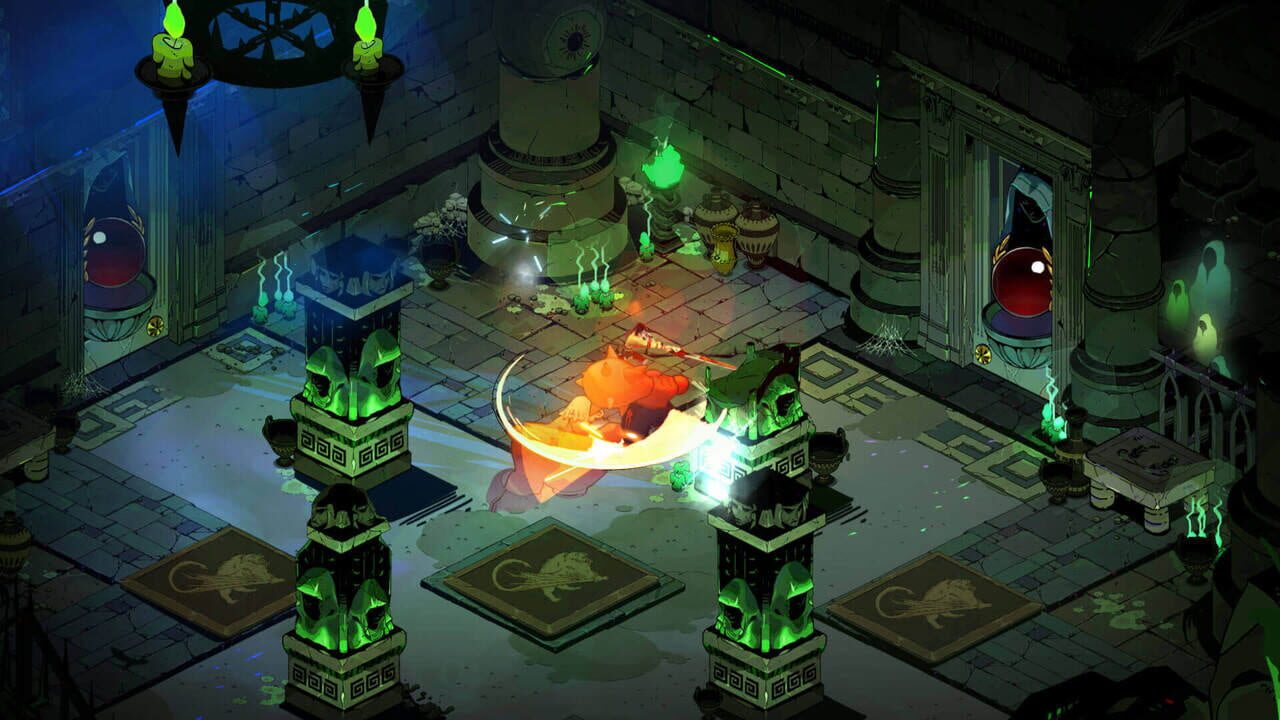
Melinoë is not Zagreus. Where the Prince of the Underworld was a brash, aggressive brawler, his sister is a tactical, spell-casting witch. This shift in protagonist isn't just cosmetic; it fundamental alters the rhythm of combat. In the original Hades, victory often came from overwhelming speed and reflexive dashes. In Hades II, you are forced to manage your mana, time your "omega" attacks, and maintain spatial awareness at a much higher level.
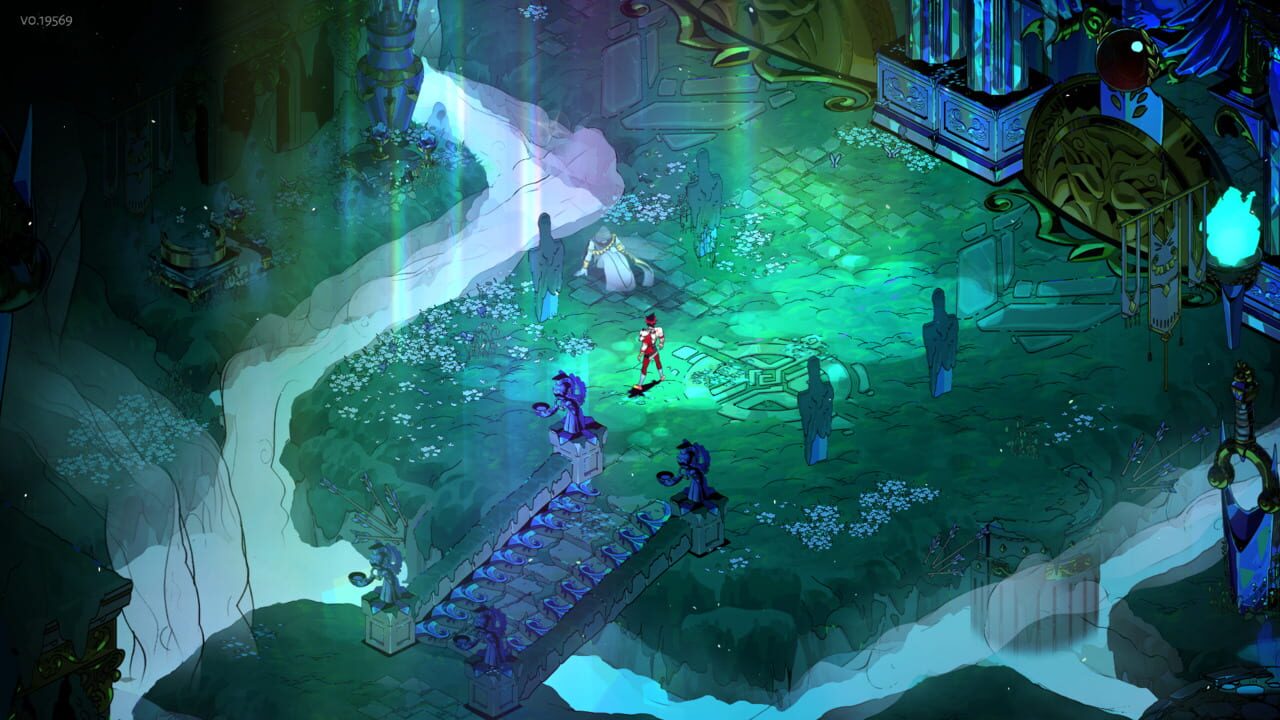
This tactical complexity is where Supergiant is taking its biggest risk. Some fans of the original’s pure kinetic energy might find the slower, more deliberate pace of the witch’s combat jarring at first. However, as you unlock the deeper layers of the "Altar of Ashes" and begin to weave together complex hexes with Olympian boons, the brilliance of the new system reveals itself. It’s a sequel that respects the original enough to move beyond it, rather than simply retreading old ground.
Iterative Excellence: Standing on the Shoulders of Giants
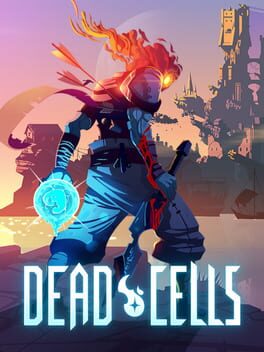
Hades II doesn't exist in a vacuum. It is the culmination of a decade of rogue-like innovation. You can see the influence of Dead Cells in the way the game handles permanent progression and world-state changes. Motion Twin's masterpiece proved that a rogue-like could feel like a cohesive, evolving world, and Supergiant has taken that concept to its logical conclusion with the narrative integration of Melinoë’s camp.
Unlike many rogue-likes where the story is a secondary concern, Hades II treats every death as a narrative beat. Each return to the Crossroads provides new dialogue, new relationships, and new insights into the war against Chronos. It’s this marriage of tight mechanical loops and prestige-TV-level writing that sets it apart from even the best in the genre.
The Game Pass Effect: A New Valuation for Rogue-likes
The inclusion of Hades II in the Game Pass library at launch is a significant moment for the indie-to-AAA transition. Rogue-likes, historically, have been seen as "budget-friendly" titles. However, the production values of Hades II—from its fully voiced cast to its lush, hand-painted environments—rival any $70 blockbusters.
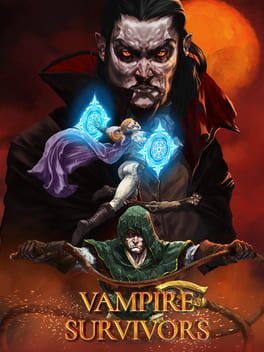
By offering this level of quality as part of a subscription, Xbox is effectively subsidizing a GOTY contender. This has lead to a surge in popularity for the genre on the platform, with titles like Vampire Survivors seeing a renewed interest as players look for more "infinite" experiences to pair with their Hades runs. Vampire Survivors proved that simple mechanics could hold players for hundreds of hours, and Hades II is applying that same engagement logic to a much more complex and visually stunning package.
Chronos: The Antagonist We Didn't Know We Needed
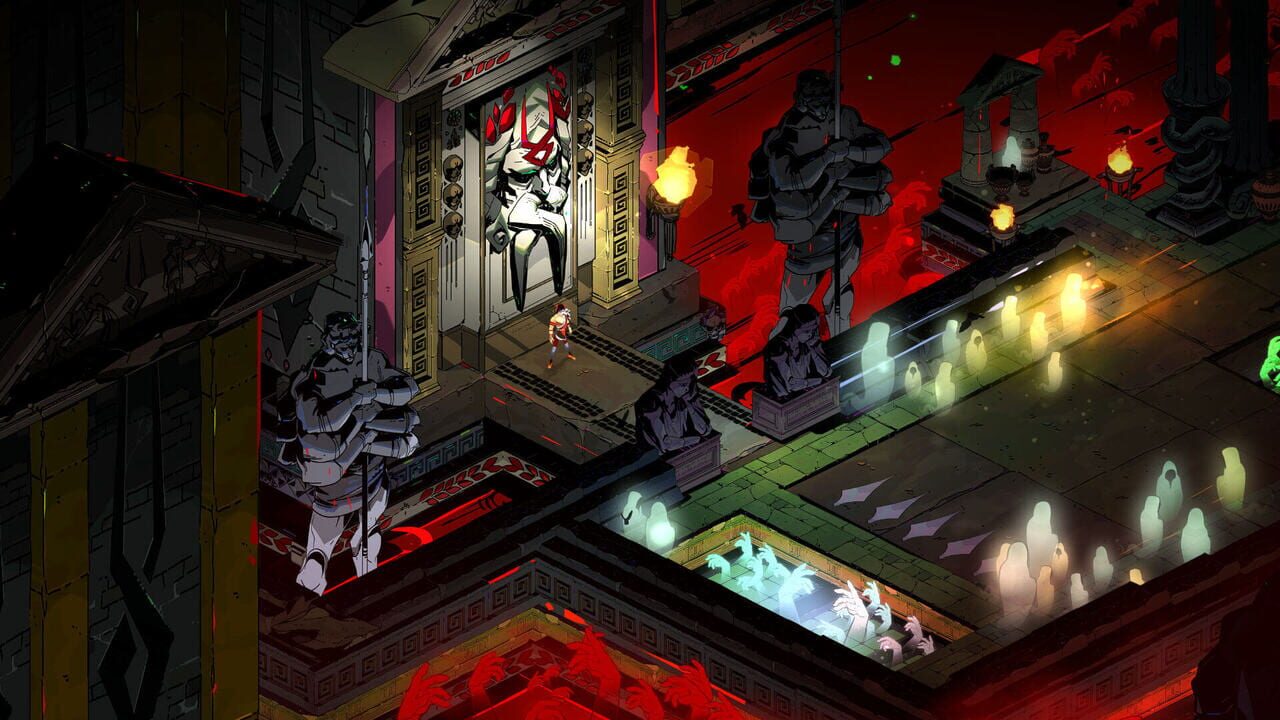
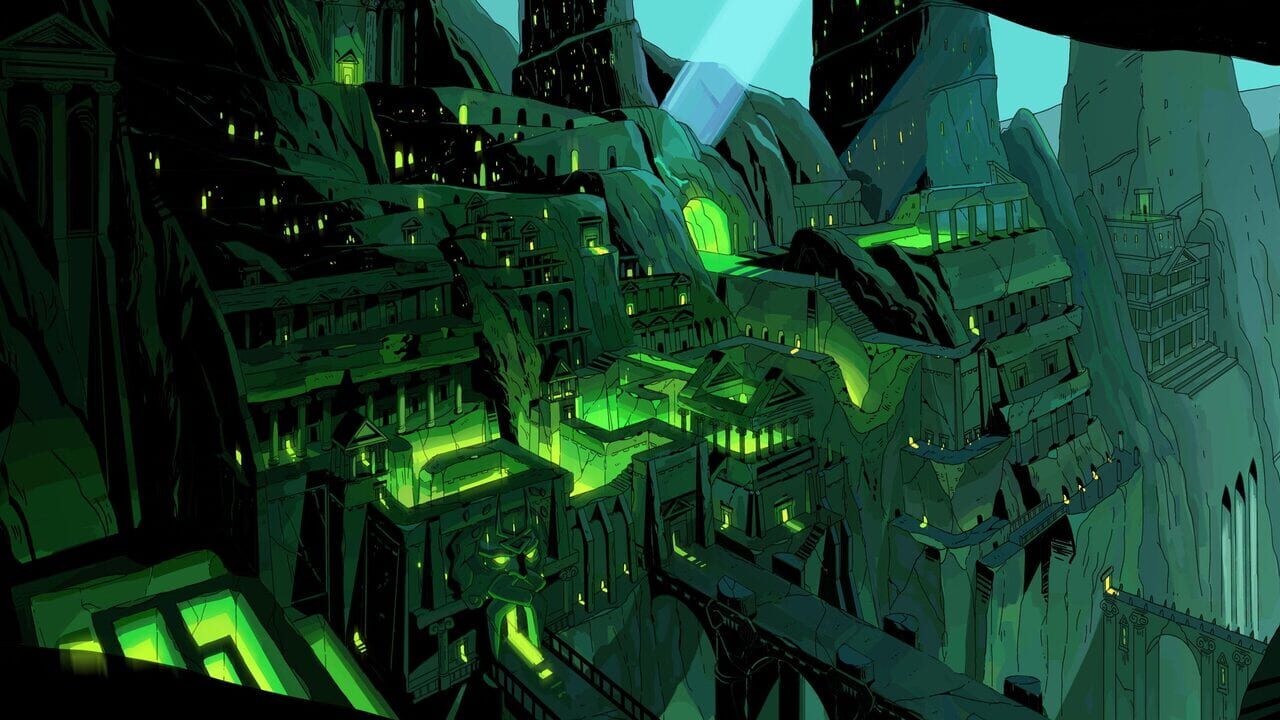
In the first game, Hades himself was a formidable but ultimately sympathetic obstacle. In the sequel, Chronos is a terrifying, omnipresent threat. The Titan of Time represents a shift in stakes from "family drama" to "existential war." This darker tone is reflected in the game’s music and environmental design. The colorful, vibrant palettes of Elysium have been replaced with the haunting, time-dilated ruins of the surface and the deep, chthonic depths of Tartarus.
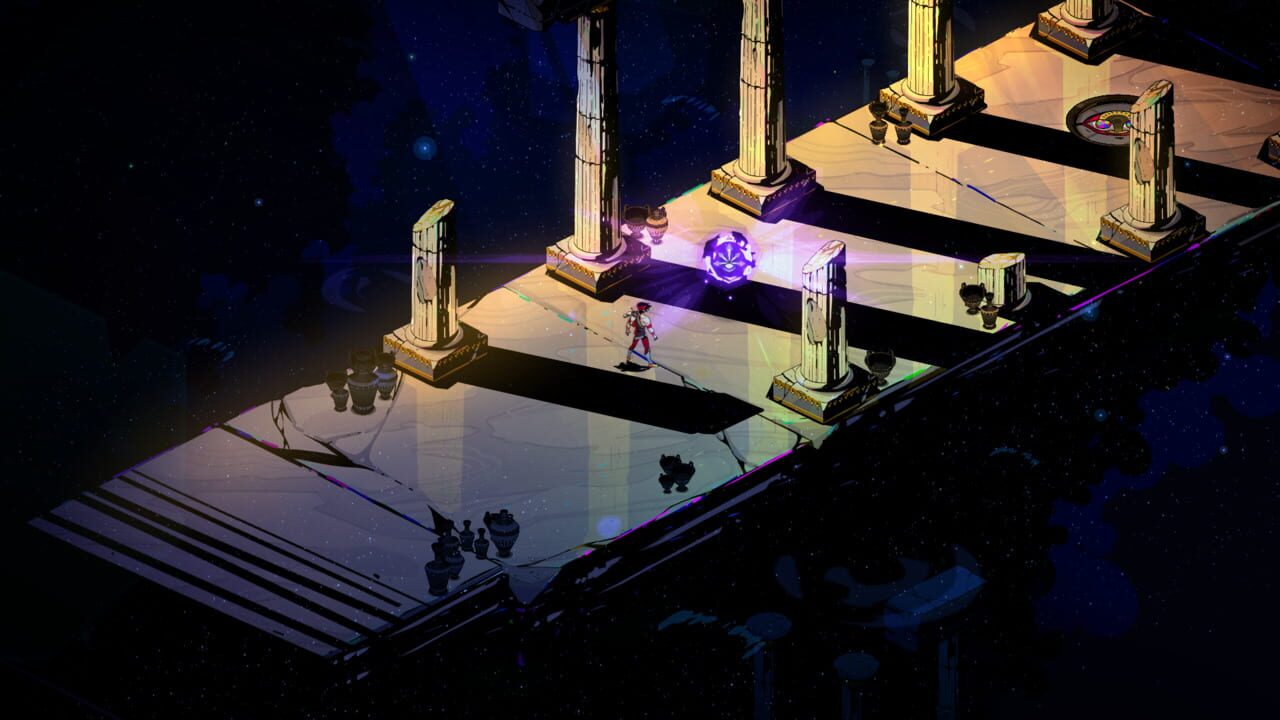
Chronos also introduces a new gameplay mechanic: the manipulation of time. Certain enemies can slow Melinoë down, while certain boons allow her to stop time entirely. This "chrono-combat" is a brilliant way to iterate on the original's systems without breaking them. It adds a level of unpredictability to each run that keeps the player on their toes, even after fifty hours of play.
The Art of the Boon: A More Synergistic System
One of the most praised aspects of Hades was its boon system—the random power-ups granted by the Greek gods. In Hades II, the system has been overhauled to favor synergy over raw power. You are no longer just looking for the "best" attack boon; you are looking for how Hestia’s burn damage interacts with Apollo’s blinding light.
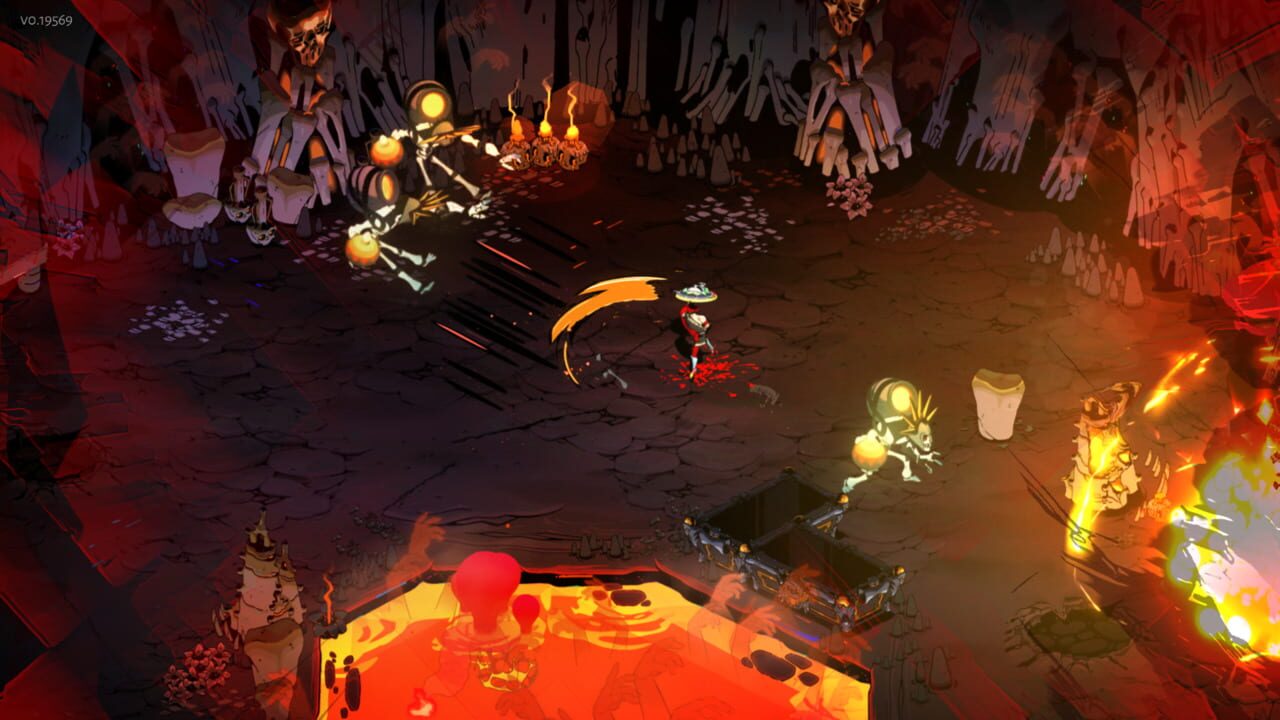
This focus on synergy makes the "build-crafting" in Hades II feel much more rewarding. There is a genuine sense of discovery when you stumble upon a "duo boon" that completely changes the way you approach a boss fight. It’s a system that rewards knowledge and experimentation, making every run feel unique and purposeful.
Environmental Storytelling: The "Frozen Stories" of the Underworld
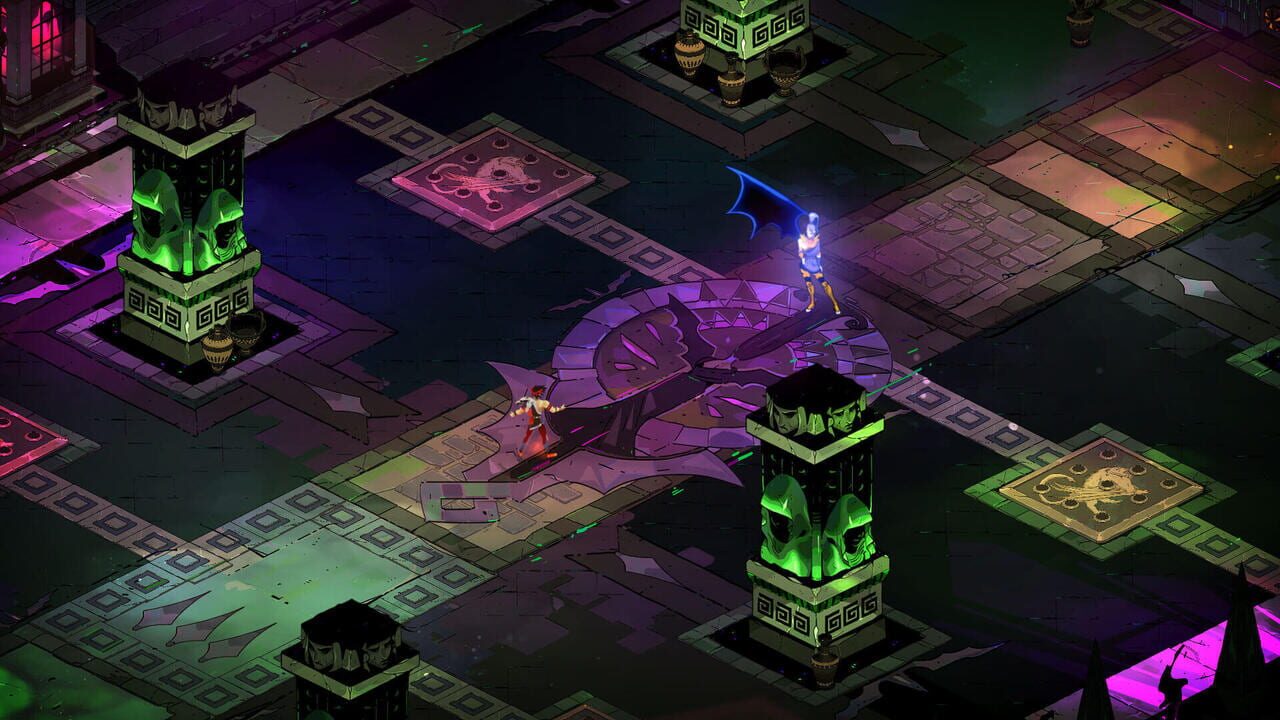
Borrowing a concept from the most atmospheric titles in the industry, Supergiant has leaned heavily into "snapshot" storytelling in Hades II. As you traverse the diverse biomes, you'll encounter remnants of the war against the Titans—frozen moments in time that tell the story of the gods' struggle without a single line of dialogue.
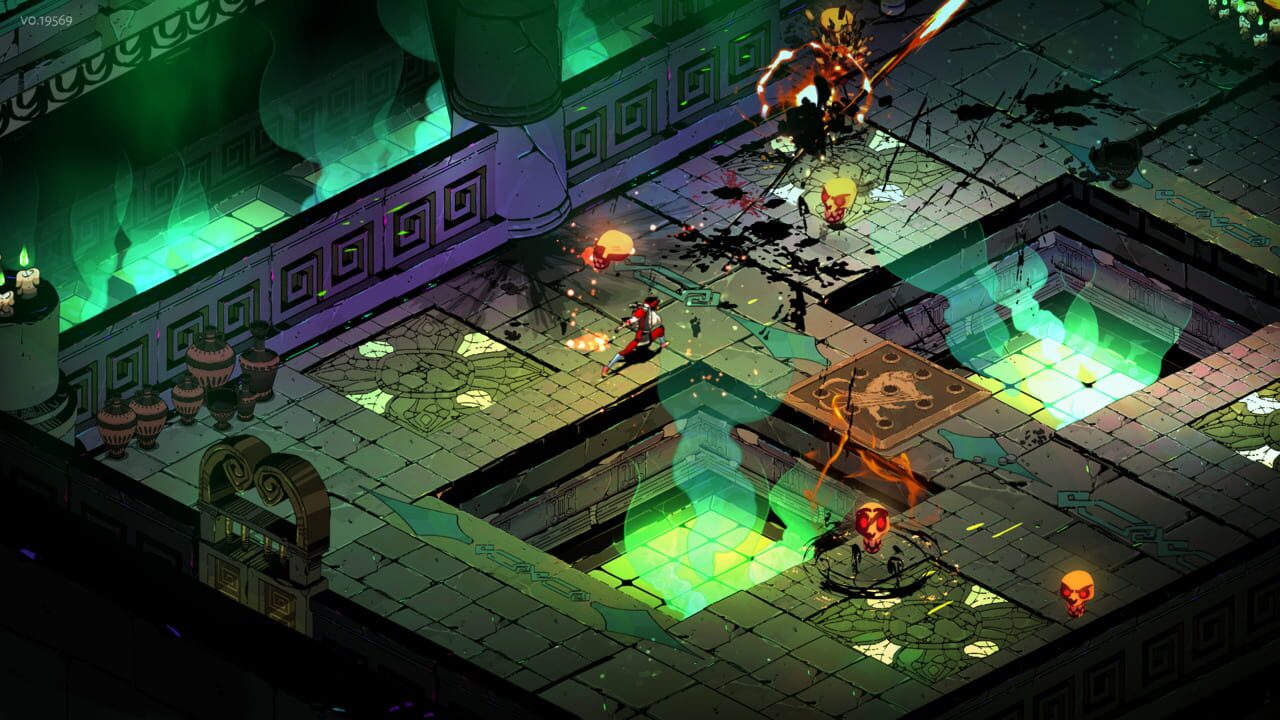
This level of environmental detail is unprecedented in the rogue-like genre. It makes the world feel ancient, lived-in, and deeply scarred. It’s not just a series of arenas; it’s a graveyard of myths. This atmospheric depth is a huge part of why the game feels like a front-runner for GOTY; it provides a sense of gravitas that most action games fail to achieve.
The Competition: Who Can Challenge the Witch?
As we look at the 2026 release calendar, the competition is fierce. We have the long-awaited Metroid Prime 4, the rumored Starfield PS5 port, and the ambitious Metro 2039. Yet, Hades II has a distinct advantage: its momentum. By launching in early access and iteratively improving based on community feedback, Supergiant is building a "perfect" game in real-time.
By the time the "Full Release" hits later this year, the game will be a polished diamond. Most 2026 releases will launch as static products, but Hades II is a living entity. This agility, combined with the massive install base on Game Pass, makes it an almost unstoppable force in the awards race.
Conclusion: A Masterpiece in Motion
Is Hades II the Game of the Year for 2026? While the year is still young, the evidence is overwhelming. It is a game that succeeds on every level: as a sequel, as a rogue-like, and as a narrative powerhouse. It honors its predecessor by daring to be different, and it honors its players by offering a depth of experience that is rare in the modern industry.
Whether you’re playing on a high-end PC or through an Xbox cloud stream on your phone, Hades II is the definitive 2026 experience. It’s a game that demands to be played, discussed, and dissected. Melinoë’s fight against time is, ironically, a timeless achievement. The Witch has arrived, and the rest of the industry would do well to take notes.
Final Thoughts: The Future of the Rogue-like
The success of Hades II will likely spawn a new wave of "narrative rogue-likes," but it will be hard for any of them to match Supergiant's alchemy. They have found the perfect balance between challenge and story, style and substance. As we continue to delve deeper into the Underworld, one thing is certain: the bar for the genre has been permanently raised.