Your game
Save it for later
Track progress or keep it in a collection.
Overview
About
Read storyline and full description
CheckpointDB editorialCurator context
Spotlight on Vampire Survivors
A hyper-addictive, retro masterclass in simple design. Vampire Survivors discards manual shooting controls in favor of pure positioning movement and auto-firing weapons, delivering a highly satisfying, low-friction reverse-bullet-hell progression loop that is exceptionally suited for the Steam Deck or mobile play.
Vampire Survivors is a highly addictive, reverse-bullet-hell action rogue-lite that pioneered the auto-shooter genre with incredibly simple controls. Players move their character using a single analog stick or keyboard keys; all weapons attack automatically based on fixed cooldown timers. The core gameplay loop involves surviving a relentless, thirty-minute timer against increasingly dense swarms of thousands of monsters. Players collect glowing experience gems dropped by defeated foes to level up, choosing from random weapon and passive item rewards. The primary mechanical goal is weapon evolution: by leveling a weapon (like the Whip, Knife, or Garlic) to its maximum level of eight and holding its matching passive item (like the Hollow Heart, Bracer, or Pummarola), collecting a boss treasure chest permanently evolves the weapon into a spectacular, screen-clearing powerhouse. The visual style is retro 8-bit, culminating in chaotic, high-contrast late-game screens covered in hundreds of damage numbers, flashing projectiles, and explosions.
Strengths
- Hyper-addictive and satisfying weapon evolution mechanics
- Incredibly simple, low-friction one-stick auto-shooting controls
- Massive roster of over 40 unlockable characters and stages
Caveats
- Severe visual clutter and intense screen flashes in late-game
- Relying heavily on passive stats over execution reflexes
Context
Developed solely by Luca Galante (poncle) in 2021 as a cheap personal hobby project. It achieved massive, viral popularity on Twitch, sold millions of copies, won the BAFTA Game of the Year award (beating Elden Ring and God of War in a historic upset), and established a massive franchise supported with high-value expansions.
✦ CheckpointDB Lens
Why might I like this game?
A quick, evidence-backed read. Deeper comparisons stay available in the full Lens.
Continue exploring
Explore more
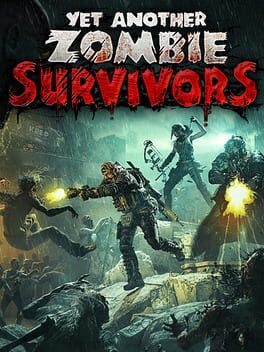 Yet Another Zombie SurvivorsAction
 HoloCure: Save the Fans!Action
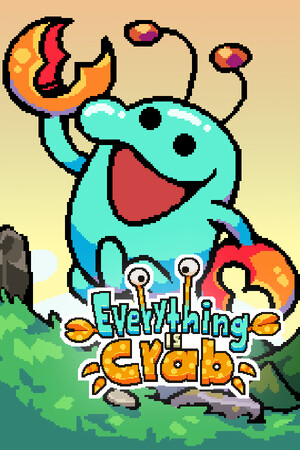 Everything is Crab: The Animal Evolution RogueliteAction
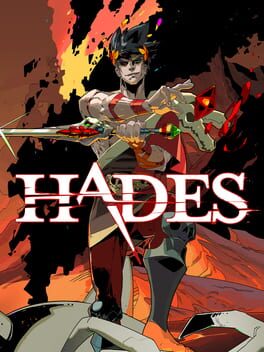 HadesRPG
 ReturnalShooter
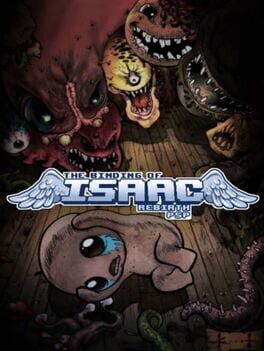 The Binding of Isaac: RebirthAction
Showing 6 selected matches based on classification and gameplay signals.
Evidence-backed terms used to organize this game in CheckpointDB.