Hades or Hades II First? The Best Starting Order
Play Hades before Hades II for the strongest story and learning curve, or start with the sequel if its witchcraft systems appeal more.
Automated drafting assistance was used in preparing this article; sources and publication remain subject to CheckpointDB editorial review.
Play Hades before Hades II if you want the strongest story order and the gentlest introduction to Supergiant's action. Start with Hades II instead if its witchcraft, larger progression systems, or current platform availability excite you more. Supergiant explicitly says no knowledge of the first game or Greek myth is required to enjoy the sequel.
That makes this a preference question, not a continuity rule. Hades II is a direct sequel, so returning characters, places, and ideas carry more meaning after the original. It is also designed to tell a complete adventure around a new protagonist. The best order for most people is release order; the best order for an individual is whichever game makes repeated escape attempts sound more inviting.
Why Hades should usually come first
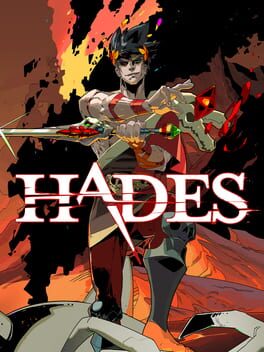
The original Hades gives you a cleaner introduction to the series' central bargain: every failed run advances something. You play Zagreus, Prince of the Underworld, trying to escape his father's domain with help from Olympian gods. Combat growth happens during an attempt, while permanent upgrades, relationships, and new story scenes give failure a purpose between attempts.
Supergiant's 1.0 announcement emphasizes how dialogue and events respond to the player's progress. That reactivity is the real reason to begin here. The game teaches you that death is not a reset of the narrative; it is often the trigger for the next conversation. Learning that rhythm in the more concentrated first game makes Hades II's expanded structure easier to read.
Release order also preserves discovery. Hades establishes its household, conflicts, and version of Greek myth before the sequel changes the situation. Hades II explains its own objective, but some entrances and references are designed to register with returning players. Saying they land better after Hades is analysis; saying Hades II is a direct sequel is confirmed by Supergiant.
Finally, the first game is an efficient test of the format. If you enjoy fast runs, changing divine abilities, gradual mastery, and conversations that unfold across many returns, the sequel offers more to explore. If repetition frustrates you even after the story begins reacting to it, starting with the bigger game is unlikely to solve the basic mismatch.
Why starting with Hades II still works
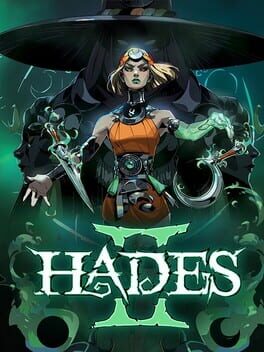
Hades II follows Melinoë, an immortal witch trained for conflict with the Titan of Time. Its action builds on the original but puts witchcraft at the center, adding different weapons, magical resources, upgrades, locations, and strategic layers. Supergiant calls it a bigger and deeper experience, and version 1.0 has been available since September 25, 2025.
Most importantly, the developer's FAQ answers the prerequisite question directly: players do not need prior knowledge of Hades or classical mythology to enjoy Hades II. Connections are present for people who know the first story, but the sequel supplies the context needed for Melinoë's journey. Starting here will change the order in which some revelations and relationships reach you; it will not leave you unable to follow the basic plot.
Choose Hades II first if Melinoë's spell-focused combat is the decisive attraction. Its casts, charged actions, gathering, and broader upgrade web ask you to think differently from Zagreus's more immediately aggressive toolset. A player who loves deliberate positioning or layered build planning may connect with that design faster.
Platform access can make the decision for you as well. Hades II reached Nintendo Switch and Switch 2 with its 1.0 launch, and Supergiant brought it to Xbox Series X|S, Game Pass, and PlayStation 5 on April 14, 2026, alongside PC availability. Buy or subscribe where you will actually play; an ideal order has no value if the first game sits untouched.
How the combat learning curves differ
Hades is easier to recommend as lesson one because its early goals are direct. Attack, special, dash, and cast form a compact vocabulary. Boons alter that vocabulary one run at a time, so you learn combinations through use rather than through a long setup screen. The weapons feel distinct, but the surrounding progression remains readable.
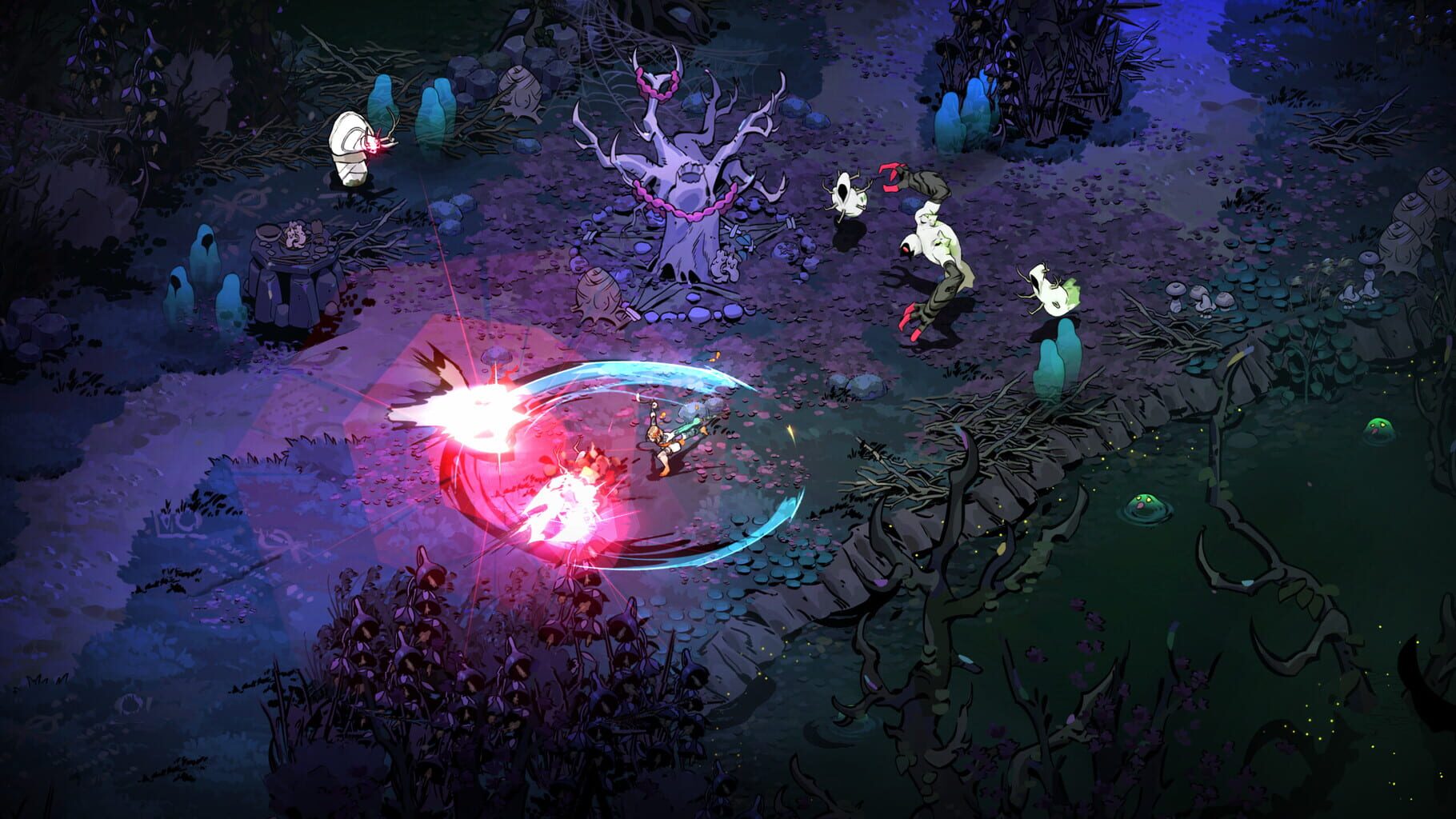
Hades II assumes that this action foundation can support more systems. Melinoë can channel Omega moves, manage magic, prepare at the Crossroads, gather materials, and pursue objectives across multiple routes. None of those ideas is impenetrable on its own. Together, they create more decisions before, during, and after a run.
For an action-game newcomer, Hades first usually produces a smoother ramp. For someone experienced with roguelikes or buildcrafting, Hades II's added texture may be the attraction rather than a hurdle. Difficulty is also personal: a system that gives one player useful options can give another too many variables. Both games expect repeated attempts and reward observing enemies more than forcing one favored build.
Do you need to finish Hades before Hades II?
You do not need every achievement, weapon upgrade, or optional conversation. You should, however, keep playing beyond the first successful escape if story order is your priority. Hades continues developing its central relationships and larger resolution after that milestone. Treating one clear as the credits can leave much of the narrative arc unseen.
A practical stopping point is when you have reached the main ending and understand the household's changed circumstances. Additional story and character threads remain, but you will have the context that most directly enriches the sequel. This paragraph intentionally avoids the number of clears or specific events required, because those details would spoil how the structure unfolds.
If you are no longer enjoying the runs, move on. Hades II provides its own context, and watching the remaining story is preferable to turning a recommended order into a chore. The sequel's value does not depend on proving mastery of the first game's highest challenges.
Which game should you buy first?
Use this quick decision:
- Story and character payoff matter most: Buy Hades first.
- You are new to action roguelikes: Buy Hades first for the cleaner learning curve.
- You prefer magic, preparation, and denser progression: Buy Hades II first.
- Only one is available through your preferred store or subscription: Start with that one.
- You expect to play both: Follow release order, Hades then Hades II.
Both games are complete 1.0 releases as of August 12, 2026. Early-access caveats no longer need to drive the choice. Hades left early access in September 2020; Hades II reached 1.0 in September 2025 and has since expanded to the current Xbox and PlayStation consoles.
The verdict
Hades first is the better answer for most players. It introduces the combat loop with less overhead, establishes the characters the sequel can build upon, and preserves the intended order of major discoveries. Hades II first is still a valid entry because Supergiant designed Melinoë's story to stand on its own and says so plainly.
Choose release order when both games interest you equally. Choose desire over order when only one premise grabs you. The series works because repetition becomes momentum; the right first game is the one that makes you eager to take one more run.