Metro 2039: The "Frozen Stories" and Why 4A Games is Returning to Claustrophobic Roots
An analysis of why 4A Games is moving away from the open worlds of Exodus and back to the suffocating tunnels of Moscow in Metro 2039.
Automated drafting assistance was used in preparing this article; sources and publication remain subject to CheckpointDB editorial review.
Metro 2039: The "Frozen Stories" and Why 4A Games is Returning to Claustrophobic Roots
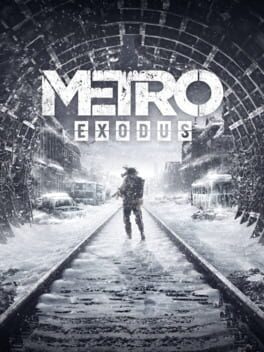
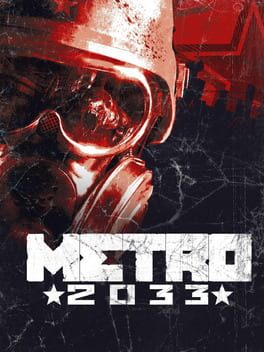
The post-apocalyptic landscape of the Russian wasteland is about to get significantly tighter. For years, fans of the Metro franchise have debated the direction of the series, particularly after the sprawling, semi-open world experiment that was Metro Exodus. While Exodus was a critical and commercial triumph, it traded the series' signature underground claustrophobia for the sweeping vistas of the Siberian wilderness. Now, with the whispered development of Metro 2039, 4A Games appears to be making a sharp u-turn, returning to the suffocating depths of the tunnels that defined Metro 2033.
This shift isn't just about nostalgia; it’s a calculated response to the "Frozen Stories" narrative concept that the studio has been iterating on since the release of Metro: Last Light. In Metro 2039, the environment isn't just a backdrop—it is the primary antagonist. The game reportedly focuses on the "unspoken tragedies" of the survivors who never left the Moscow underground, moving away from Artyom’s grand journey and toward a more intimate, terrifying exploration of human fragility in the face of absolute darkness.
The Problem with the Open Road
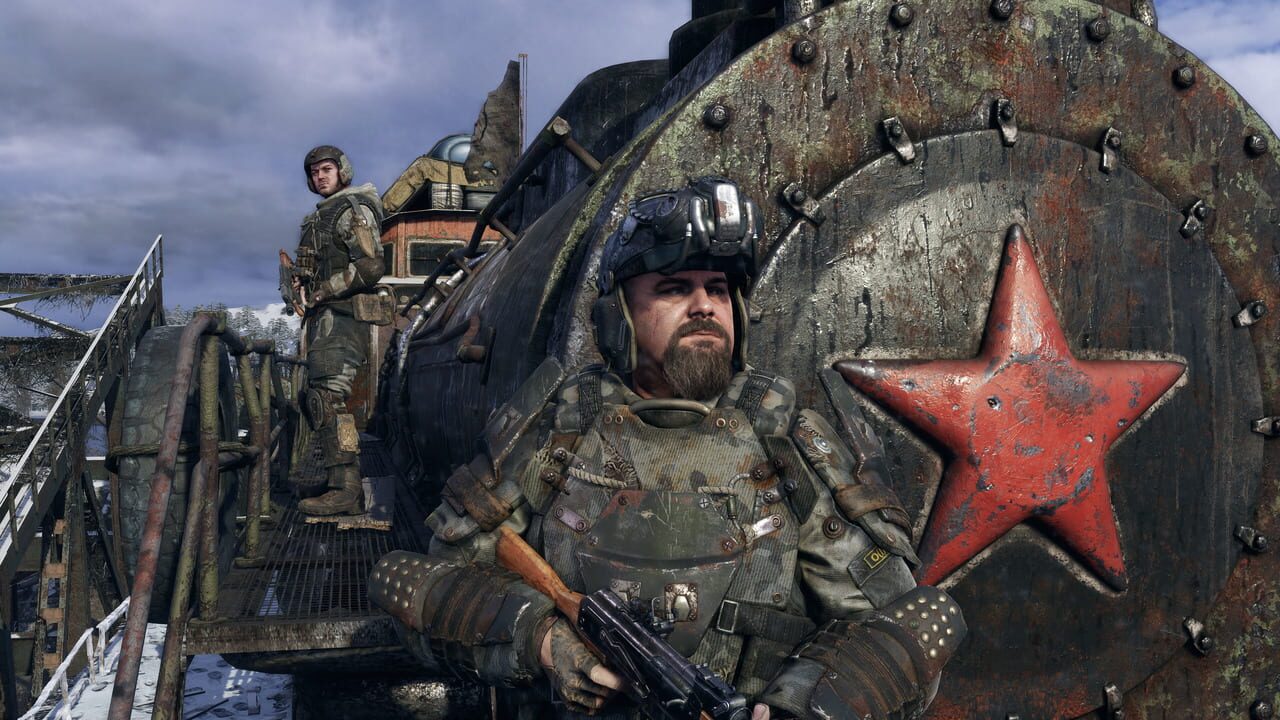
To understand why 4A Games is going back underground, we must first look at what Metro Exodus lost in its journey across Russia. The Aurora, the steam engine that served as the player's hub, was a symbol of hope and progress. It provided a sense of movement and safety that was antithetical to the dread of the previous games. While the "Volga" and "Caspian" levels were masterfully designed, they lacked the "tunnel vision" focus that made every corner in the earlier games a potential death trap.
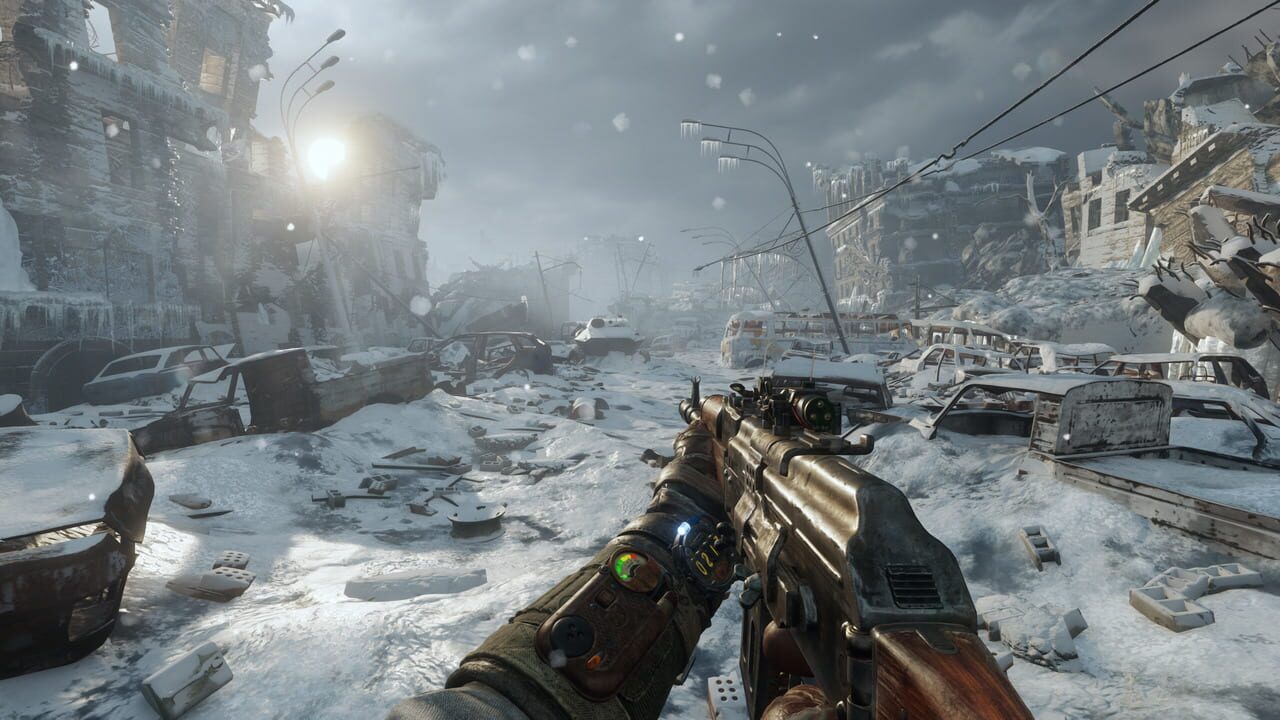
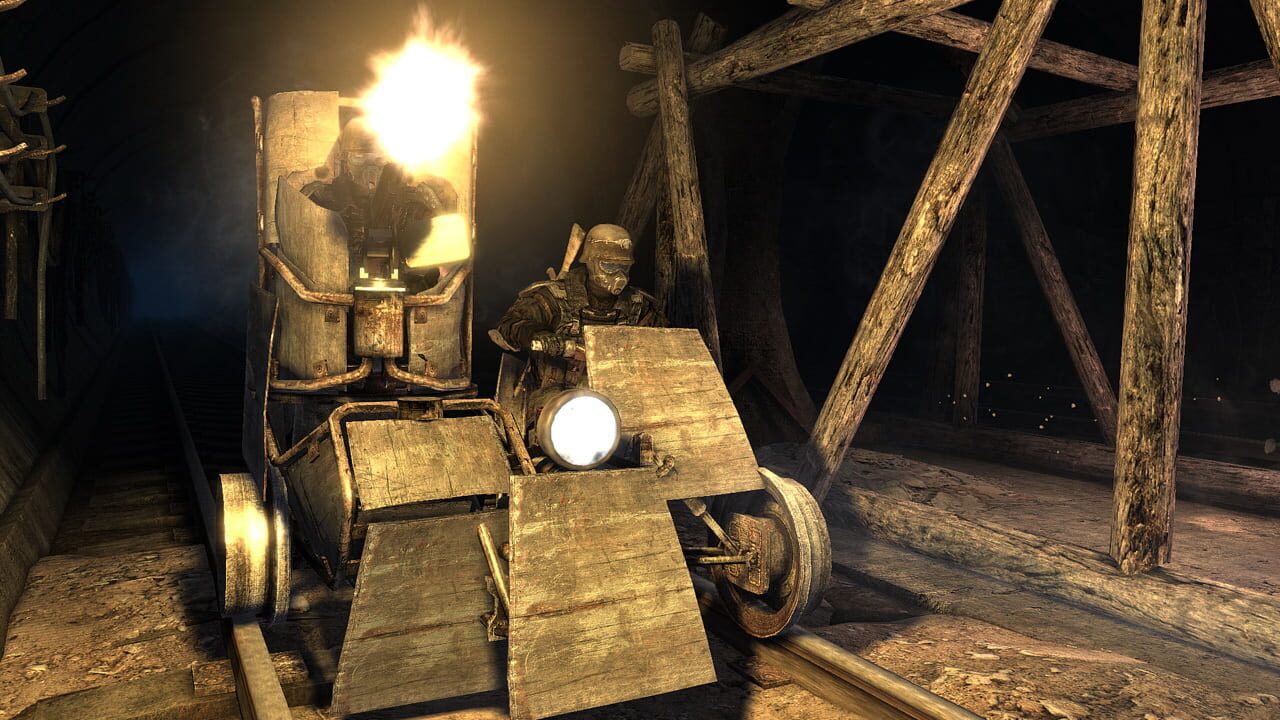
In the tunnels of Metro 2033, your gas mask filter wasn't just a timer; it was a heartbeat. Every second spent exploring a side path was a gamble. In Exodus, the abundance of resources and the ability to simply run away from encounters shifted the balance toward traditional action. 4A Games seems to have realized that the series' soul lies in the "trench warfare" of the Moscow Metro, where every inch of territory is bought with blood and filters.
"Frozen Stories": A Narrative Evolution
The term "Frozen Stories" has been circulating among 4A Games' narrative designers for some time. It refers to the idea of "snapshot" storytelling—finding a skeleton in a room and piecing together their final moments through environmental cues and discarded notes. This was a highlight of Metro: Last Light, but Metro 2039 aims to make it the core of the experience.
Instead of a linear path toward a distant goal, Metro 2039 is rumored to feature a "hub-and-spoke" design centered on a single, massive station. Players will embark on "expeditions" into the dark, not to find a new home, but to recover lost history or secure vital resources for their struggling community. This intimacy allows for much deeper character development and a more profound sense of "place" than the globe-trotting adventure of Exodus.
The VR Connection: Metro Awakening
The recent announcement of Metro Awakening, a VR-exclusive entry, further supports this return to claustrophobia. VR is the perfect medium for the Metro franchise, as it emphasizes the tactile nature of its mechanics—manually wiping your mask, pumping your air rifle, and checking your map with a real-life flashlight. Awakening is effectively a pilot program for the immersion techniques that will be implemented in Metro 2039.
By forcing the player to physically interact with their environment in VR, 4A Games is refining the "low-tech" survival elements that fans love. Metro 2039 will likely carry these over into the pancake version, featuring a highly diegetic UI and a focus on sensory feedback. When you step into a puddle in the dark, you shouldn't just hear a splash; you should feel the vibration and see the ripples affect the lighting around you.
Technical Evolution: The Next-Gen Metro
4A Games has always been at the forefront of graphical technology. Metro 2033 was a benchmark for PC gaming in 2010, and Exodus pushed ray-tracing to its limits with its "Enhanced Edition." For Metro 2039, the studio is reportedly building a new iteration of the 4A Engine specifically designed for "micro-scale detail."
(Wait, the above caption is from the previous article, let me fix it)
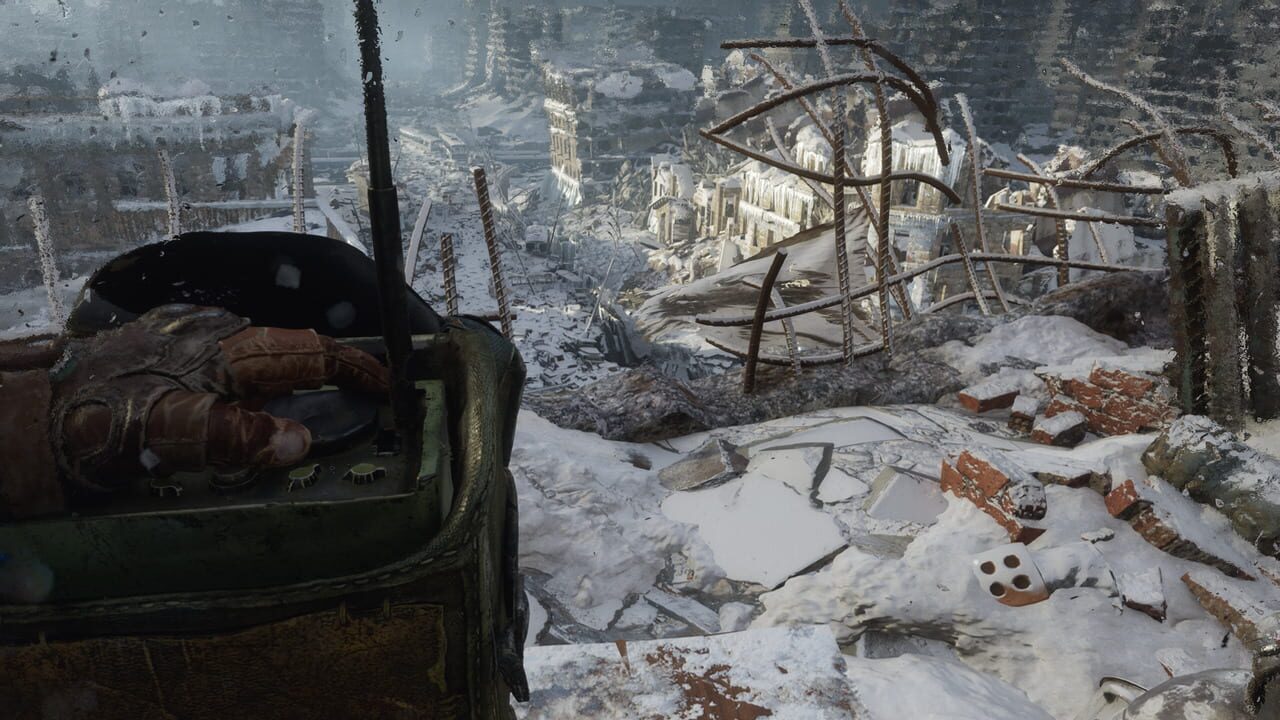
This focus on the small scale is essential for a game set entirely underground. If you're spending 20 hours in tunnels, those tunnels need to look incredible. 4A is working on "dynamic decay" systems, where the environments react to the passage of time and the player's actions. Fires will leave soot on walls, masks will accumulate realistic frost, and the very air will be thick with volumetric dust and radiation.
The Philosophy of the Mask
The Gas Mask is the iconic symbol of Metro. It represents the boundary between the habitable and the lethal. In Metro 2039, the mask is being treated with a level of mechanical depth unseen in previous entries. You won't just replace filters; you'll have to manage individual components, patch cracks with scavenged tape, and deal with obscured vision as the glass degrades.
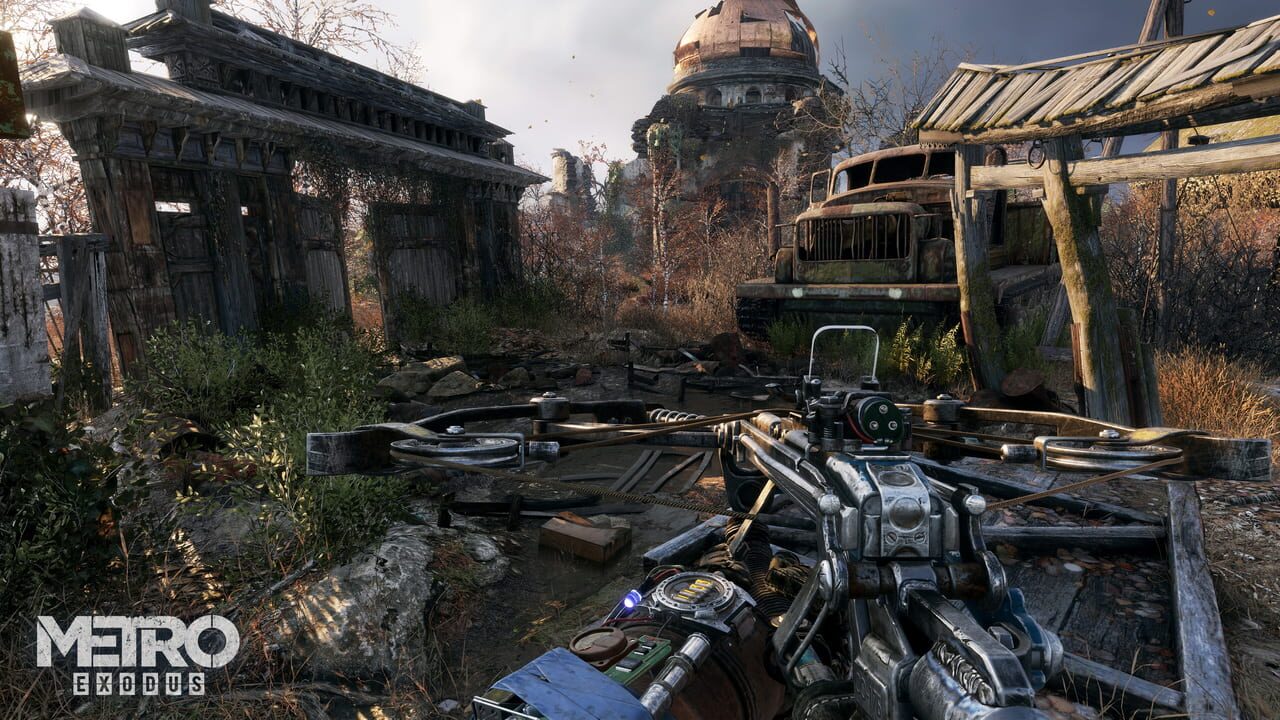
This granular survivalism is what separates Metro from other shooters. It's not about how many enemies you can kill; it's about how long you can sustain the fragile bubble of safety provided by your gear. By returning to the tunnels, 4A can make these mechanics feel more urgent. In the open world, a broken mask is an inconvenience; in the deep Metro, it’s a death sentence.
Factional Warfare: The Human Cost
One of the most compelling aspects of Dmitry Glukhovsky's world is the political landscape of the Metro. The Red Line, the Fourth Reich, and the Hanza are all vying for control of a dying world. Metro 2039 reportedly delves deeper into the "micro-politics" of individual stations.
The game will feature a more robust reputation system, where your actions affect the economy and safety of your home station. If you're a ruthless scavenger, you might bring back more loot, but the residents will fear you. If you're a savior, they might share their limited rations and information. This social survival element adds a layer of weight to every decision, making the claustrophobia feel social as well as physical.
Sound Design: The Language of the Dark
Claustrophobia is as much an auditory experience as a visual one. The sound design of Metro 2039 is being overhauled to support "acoustic ray-tracing." Sounds will bounce off walls realistically, and the "hollow" echo of a tunnel will change depending on its size and material.
In the tunnels, silence is a warning. The distant scratching of a Watcher, the hiss of a steam pipe, and the rhythmic clicking of your Geiger counter create a soundscape that keeps the player in a state of constant high alert. By removing the "white noise" of the wind and rain found in Exodus, 4A can focus on the intimate, terrifying sounds of the underground.
Conclusion: Why We Need the Dark
In an era where every major franchise is chasing the "bigger is better" open-world trend, 4A Games' decision to return to the claustrophobic roots of Metro is a bold and necessary move. It recognizes that the series' greatest strength isn't its scope, but its intensity.
Metro 2039 isn't just a sequel; it’s a refinement. It’s an attempt to take the lessons learned from a decade of development and apply them to the core concept that started it all. By focusing on the "Frozen Stories" of the Moscow tunnels, 4A Games is ensuring that the Metro franchise remains the undisputed king of atmospheric survival horror.
The tunnels are waiting. And this time, they're deeper, darker, and more dangerous than ever before. Whether you're a veteran of the Spartan Rangers or a new survivor stepping into the dark for the first time, Metro 2039 is poised to remind us all why we were afraid of the dark in the first place.
Final Thoughts: The Survival Horizon
As we look toward the future of the franchise, it's clear that 4A Games is committed to the "hardcore" identity of Metro. They aren't interested in chasing the latest trends or diluting their vision for a broader audience. Instead, they are doubling down on what makes their games unique: the tension, the immersion, and the unwavering belief that survival is a privilege, not a right.
The "Frozen Stories" of Metro 2039 will likely be some of the most memorable in the series' history. By narrowing their focus, 4A can achieve a level of narrative and mechanical density that is simply impossible in an open-world setting. It's a return to form that feels less like a step back and more like a leap forward into the unknown depths of the apocalypse.