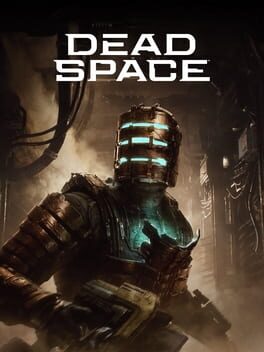
Pragmata vs. Dead Space: How Capcom’s "Hack-and-Shoot" Evolution Redefines Sci-Fi Survival
A deep dive into the mechanical intersection of Pragmata and Dead Space, exploring how Capcom is evolving the sci-fi survival horror genre with "hack-and-shoot" systems.
Automated drafting assistance was used in preparing this article; sources and publication remain subject to CheckpointDB editorial review.
Pragmata vs. Dead Space: How Capcom’s "Hack-and-Shoot" Evolution Redefines Sci-Fi Survival
The landscape of sci-fi survival horror is shifting, moving away from the claustrophobic dread of the late 2000s toward a more kinetic, versatile form of engagement. At the center of this evolution sits Pragmata, Capcom's enigmatic new project that seems to blend the mechanical DNA of their recent action successes with the atmospheric tension of the genre's greats. To understand where Pragmata is taking us, we must first look at the benchmark it is frequently compared to: Dead Space.
While Motive Studio’s Dead Space remake perfected the "strategic dismemberment" loop that defined the original, Capcom appears to be iterating on a different philosophy—one they are calling "hack-and-shoot." This isn't just a marketing buzzword; it’s a systemic evolution of the combat seen in the Resident Evil 4 Remake, where the line between defensive positioning and aggressive crowd control is thinner than ever.
The Legacy of Strategic Dread
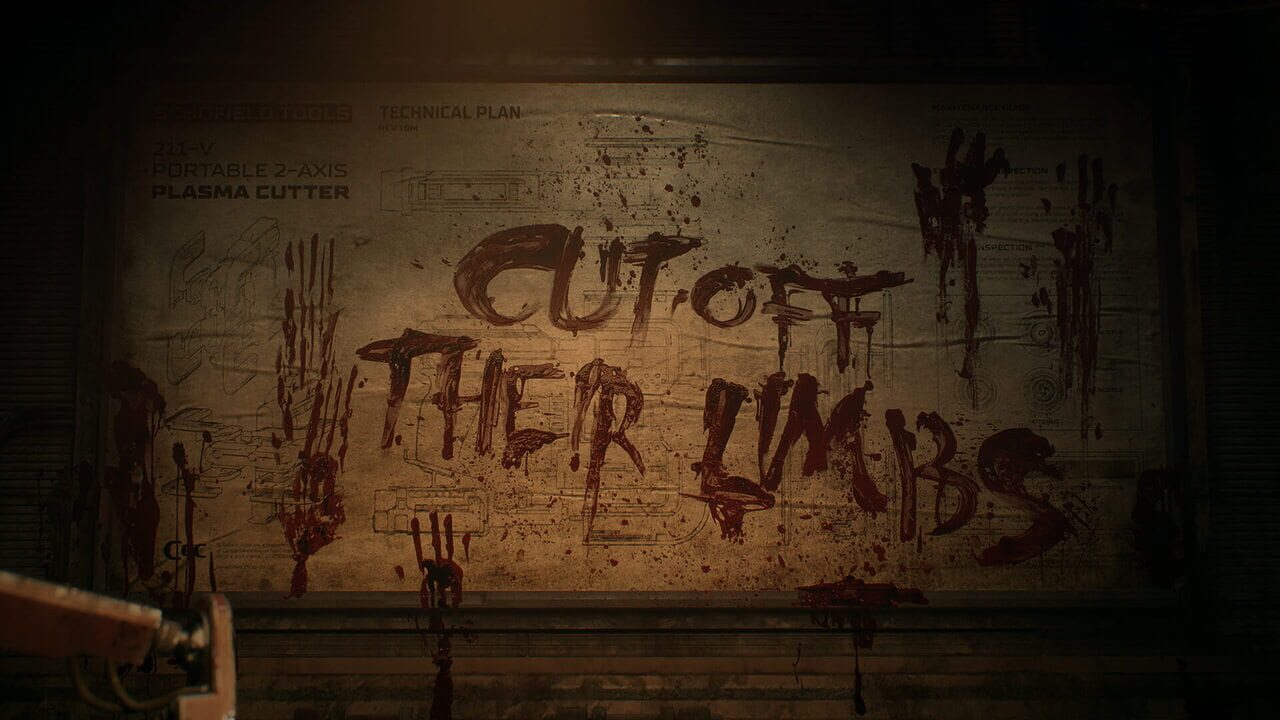
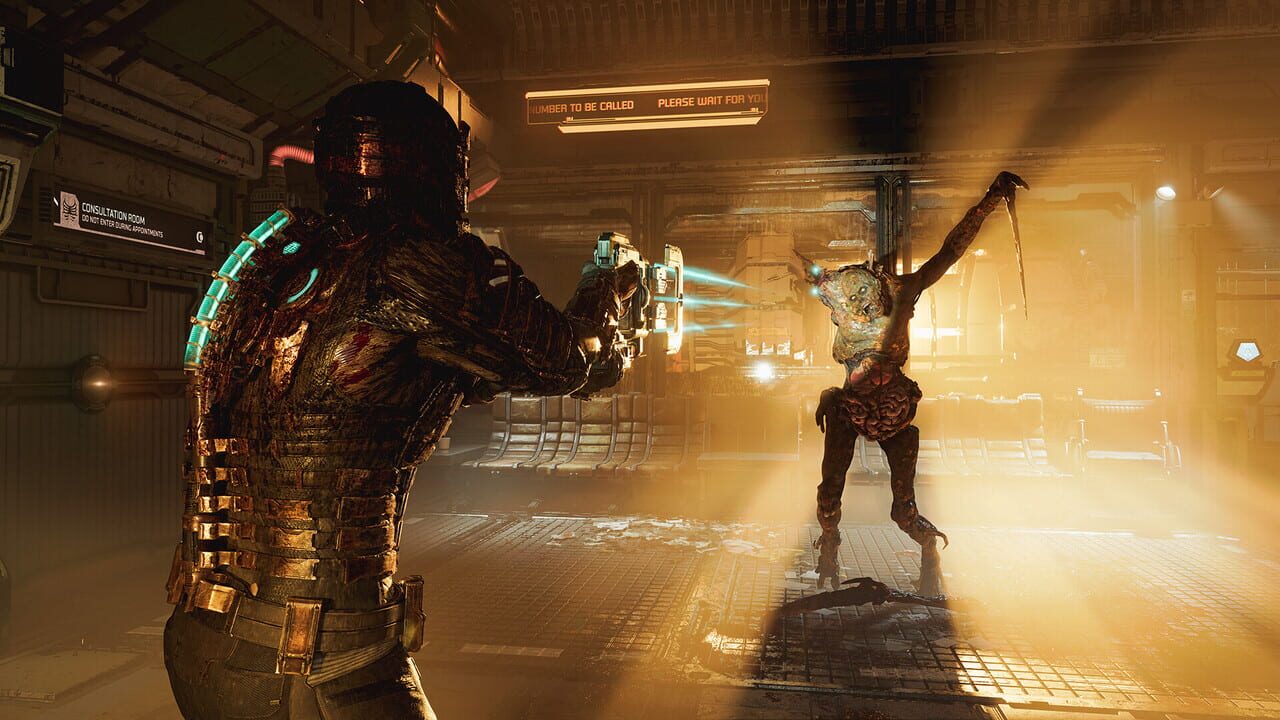
Dead Space built its legend on the back of the Plasma Cutter. It taught players that a headshot was a waste of ammo and that precision was the only way to survive the necromorph onslaught. The game was, at its core, a shooter that forced you to think like a surgeon. The remake elevated this with the "peeling" system, adding layers of muscle and bone that reacted dynamically to every blast. This wasn't just visual fluff; it served a vital gameplay purpose, providing immediate visual feedback on which limbs were closest to being severed, thereby dictating the player's next move in a split-second combat dance.
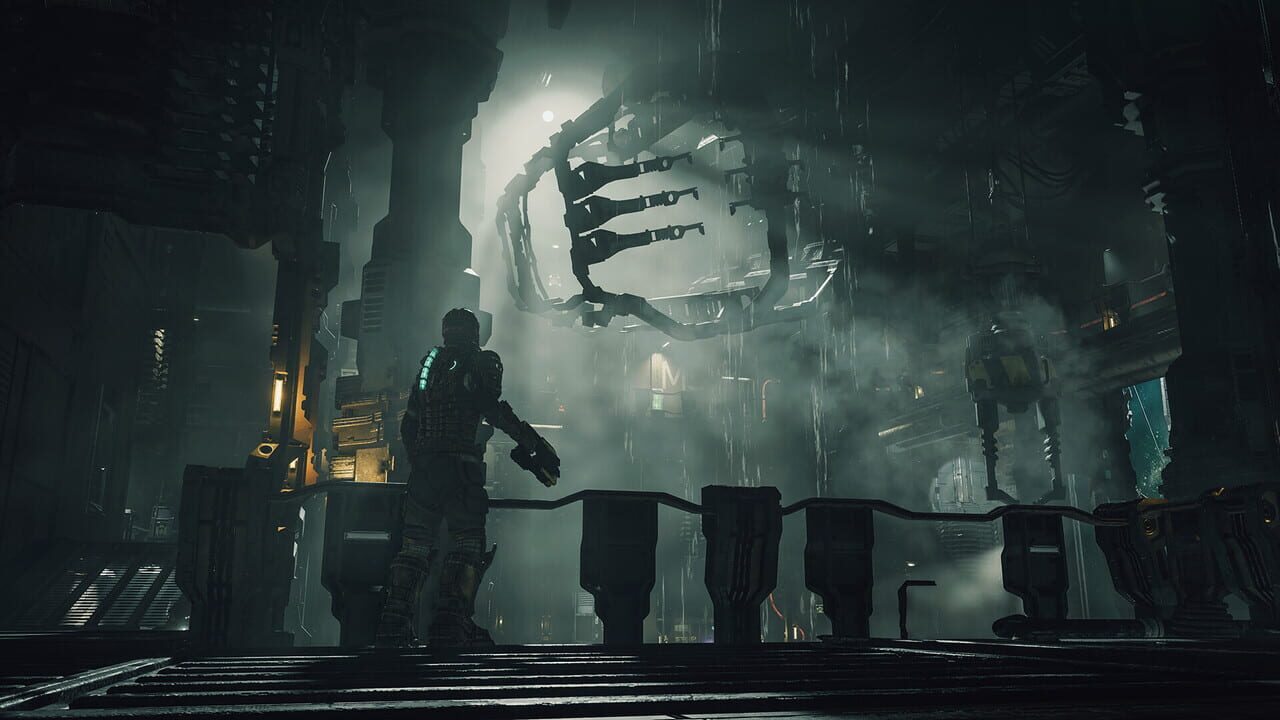
However, Dead Space remains a relatively "stiff" experience by design. Isaac Clarke is an engineer, not a soldier. His movements are deliberate, heavy, and reactive. You are always on the back foot, managing limited resources in a linear corridor. The tension comes from the inability to quickly escape a bad situation. In Dead Space, you don't dodge; you position. You don't combo; you execute. This creates a rhythmic, high-stakes combat loop that feels more like a puzzle-shooter than a traditional action game.
Pragmata: The "Hack-and-Shoot" Philosophy
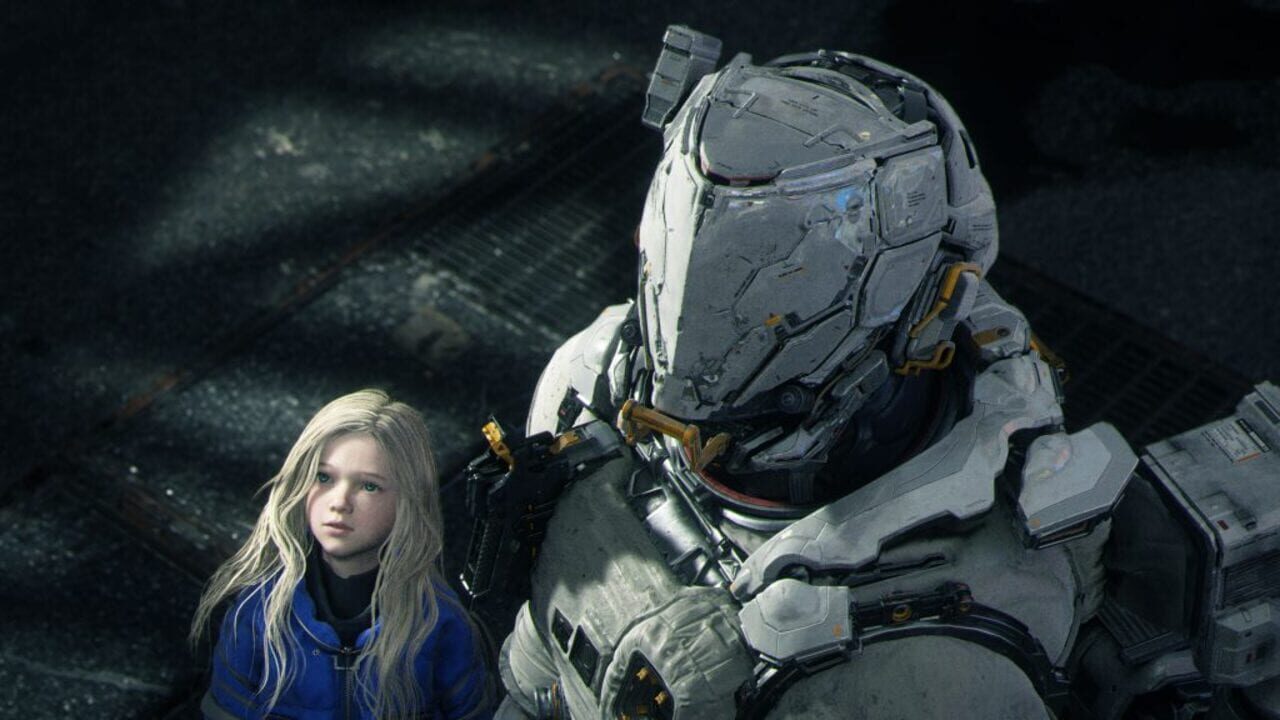
Early gameplay reveals of Pragmata showcase a protagonist who is far more mobile than Isaac Clarke. Equipped with a high-tech suit and accompanied by a mysterious young girl named Diana, the player character utilizes a variety of gadgets that suggest a multi-layered approach to combat. Capcom’s "hack-and-shoot" terminology suggests a fluid transition between high-precision firearm usage and close-quarters technical skills. This is a significant departure from the "stop-and-pop" mechanics that defined early survival horror, suggesting a level of kinetic flow more akin to Devil May Cry than Resident Evil.
Unlike the Resident Evil 4 Remake, which introduced the parry mechanic to add a layer of melee complexity to its shooting, Pragmata seems to be building its encounters around the idea of "technical versatility." It’s not just about shooting off limbs; it’s about hacking the environment, using gravity-defying gadgets, and managing the safety of Diana, who appears to be more than just an escort target. The "hack" aspect likely involves real-time manipulation of enemy AI or environmental hazards, turning the world itself into a weapon.
Parallel Evolutions: RE4's Influence and the "Capcom Feel"
It is impossible to discuss modern Capcom action without acknowledging the Resident Evil 4 Remake. The way Leon S. Kennedy moves—the tactical reload, the knife parry, the context-sensitive kicks—has clearly informed the kinetic energy of Pragmata. Capcom has mastered the art of making the player feel powerful yet vulnerable, a balance that is essential for survival horror to remain engaging over a 20-hour campaign. This "Capcom Feel" is characterized by high-impact feedback, snappy controls, and a sense of "weight" that doesn't sacrifice speed.
In RE4, the "loop" is about stun and follow-up. You shoot the knee to set up a melee strike. In Pragmata, the loop appears to involve "containment and execution." We see the protagonist using "net" traps to hold enemies in place before unleashing heavy ordnance. This adds a tactical layer that feels like a natural progression from the resource management of Dead Space. It moves the focus from "how much ammo do I have?" to "how can I efficiently neutralize this threat using the tools at my disposal?"
Environmental Storytelling and Scale: The Void vs. The Tomb
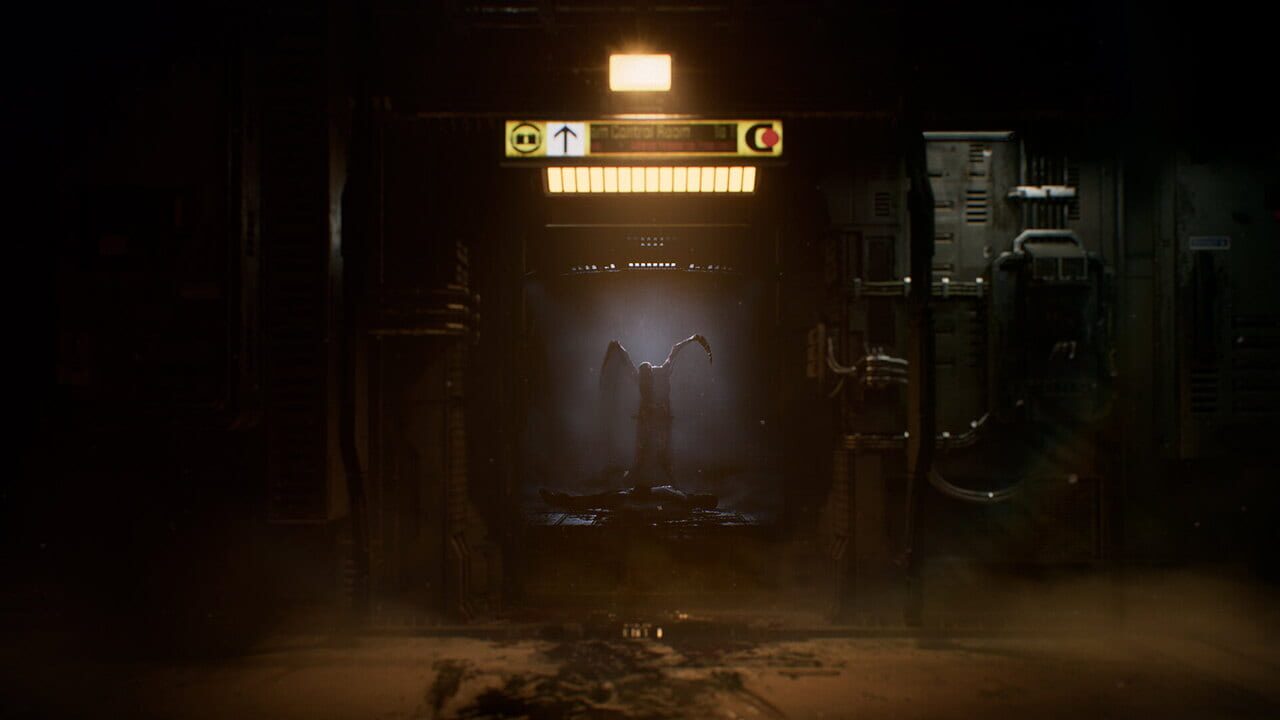
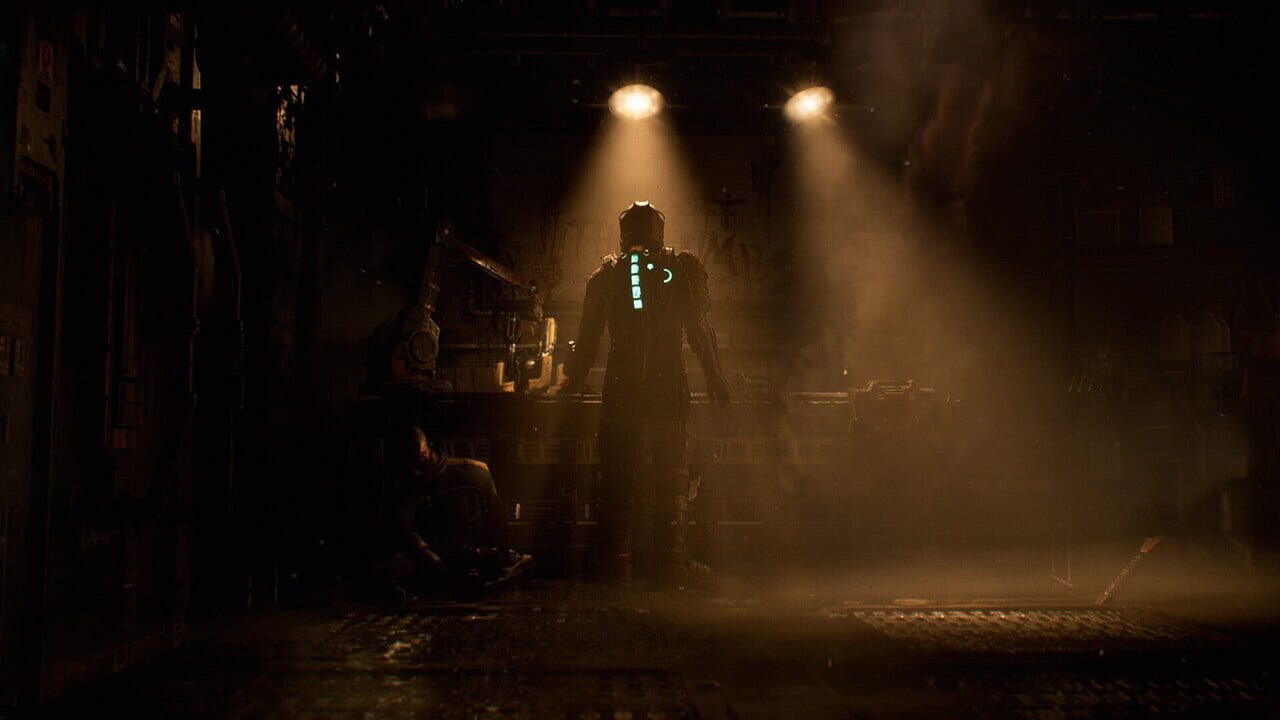
One of the most striking differences between these titles is the sense of scale. Dead Space is a masterpiece of interior design. The USG Ishimura is a character in its own right—a decaying, metallic tomb where every vent is a potential threat. It is a masterclass in "contained" horror, where the environment itself feels like it's trying to crush you. Every flickering light and distant metallic clang serves to heighten the player's anxiety.
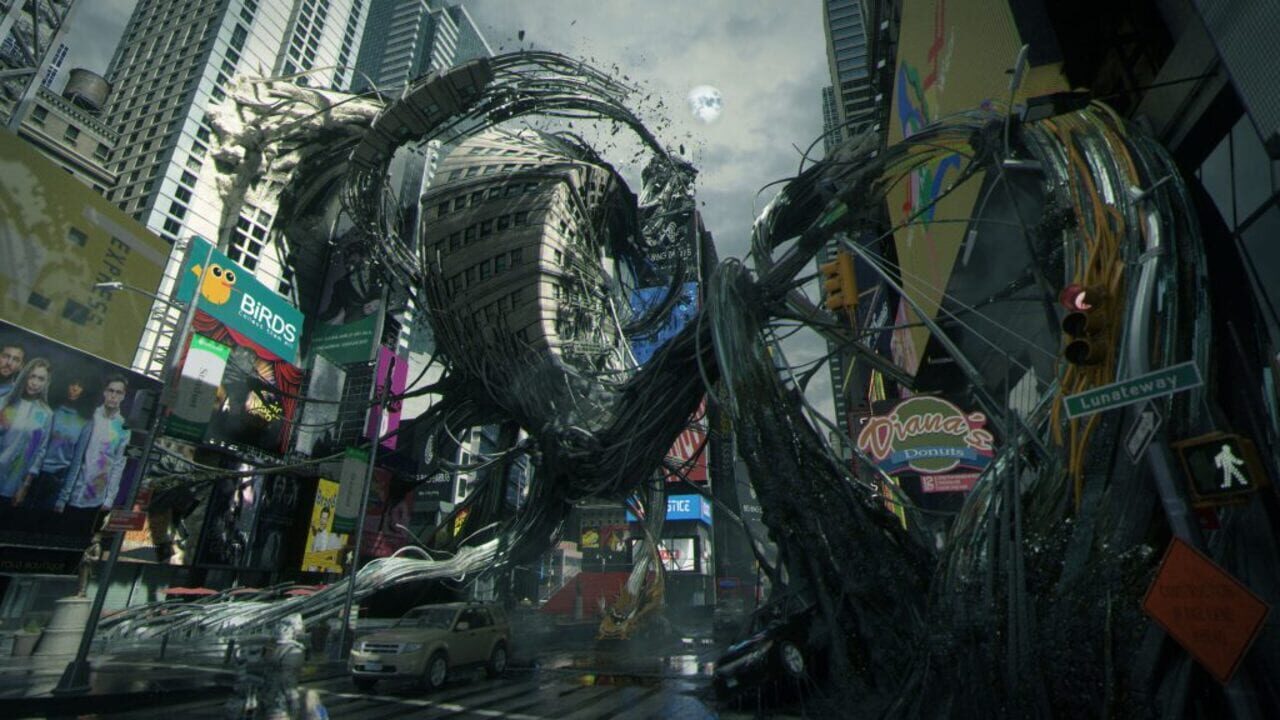
Pragmata, by contrast, seems to embrace the "vastness" of space. Its trailers show a distorted, futuristic Earth seen from the moon, crumbling skyscrapers, and reality-warping physics. The horror here isn't just about what's in the next room; it’s about the fundamental breakdown of the world as we know it. It’s "existential" survival horror. The environments are wide, often outdoor, and filled with a sense of cosmic dread. Where Dead Space asks "how do I get out of this room?", Pragmata asks "how do I survive the end of the world?"
The Role of the Companion: A New Dynamic
The inclusion of Diana in Pragmata is perhaps the most significant departure from the Dead Space formula. Isaac Clarke is alone for most of his journey, a choice that emphasizes his isolation. When he does interact with others, it’s often through a glass pane or a radio link. This isolation is a core pillar of the Dead Space experience, making the player feel truly vulnerable.
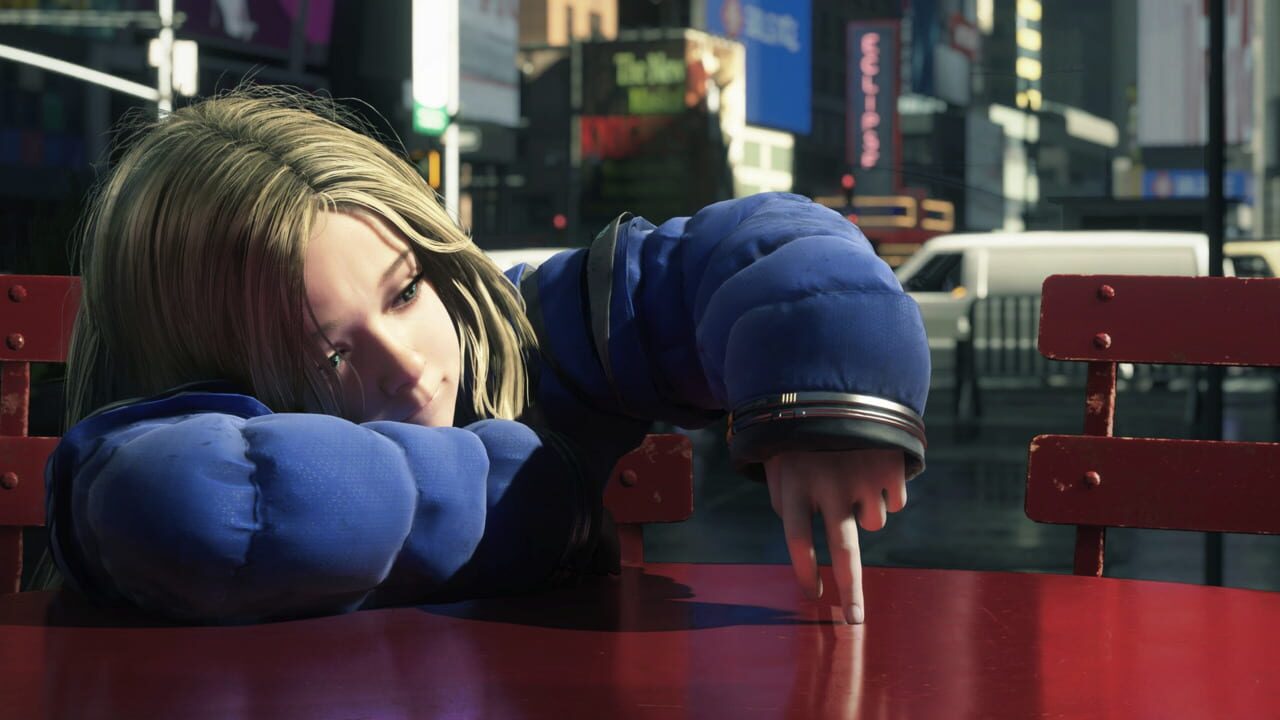
In Pragmata, Diana is a constant presence. Her role seems to be a refined version of Ashley Graham's in RE4 Remake—a companion who needs protection but also provides assistance. However, Pragmata takes this further by hinting that Diana has powers or abilities that the player must tap into. This creates a "dual-character" survival dynamic that is rare in the sci-fi subgenre. The emotional core of the game likely rests on the relationship between these two characters, adding a layer of stakes that goes beyond simple survival.
Mechanical Depth: Hacking the Future
If Dead Space is about dismemberment, Pragmata is about "disruption." The "hack" in "hack-and-shoot" refers to the player's ability to manipulate the technology of their enemies and the world around them. We've seen glimpses of the protagonist scanning the environment and identifying weak points in real-time, much like the "Tactical Mode" in some RPGs, but executed with the speed of a character action game. This suggests a higher ceiling for player skill, as mastering the "hack" mechanics will likely be just as important as having a steady aim.
This level of interactivity is where Capcom is pushing the boundaries. They are moving away from the "lock and key" puzzles of old and toward "emergent" solutions. If an enemy is too strong to shoot, can you hack a nearby terminal to overload its power core? Can you use Diana's abilities to create a distraction? This is the kind of systemic depth that was present in Dead Space's Kinesis and Stasis modules but taken to a much more granular and active level.
Visual Fidelity and the RE Engine: A Technical Masterclass
The technical foundation of Pragmata is Capcom’s proprietary RE Engine. This engine has proven itself to be one of the most versatile in the industry, powering everything from the hyper-realistic horror of RE7 to the stylish action of Devil May Cry 5. In Pragmata, the engine is being used to render complex particle effects, ray-traced reflections on futuristic surfaces, and some of the most detailed character models we’ve seen this generation. The engine's ability to handle high-fidelity assets while maintaining a stable frame rate is crucial for the fast-paced combat Capcom is aiming for.
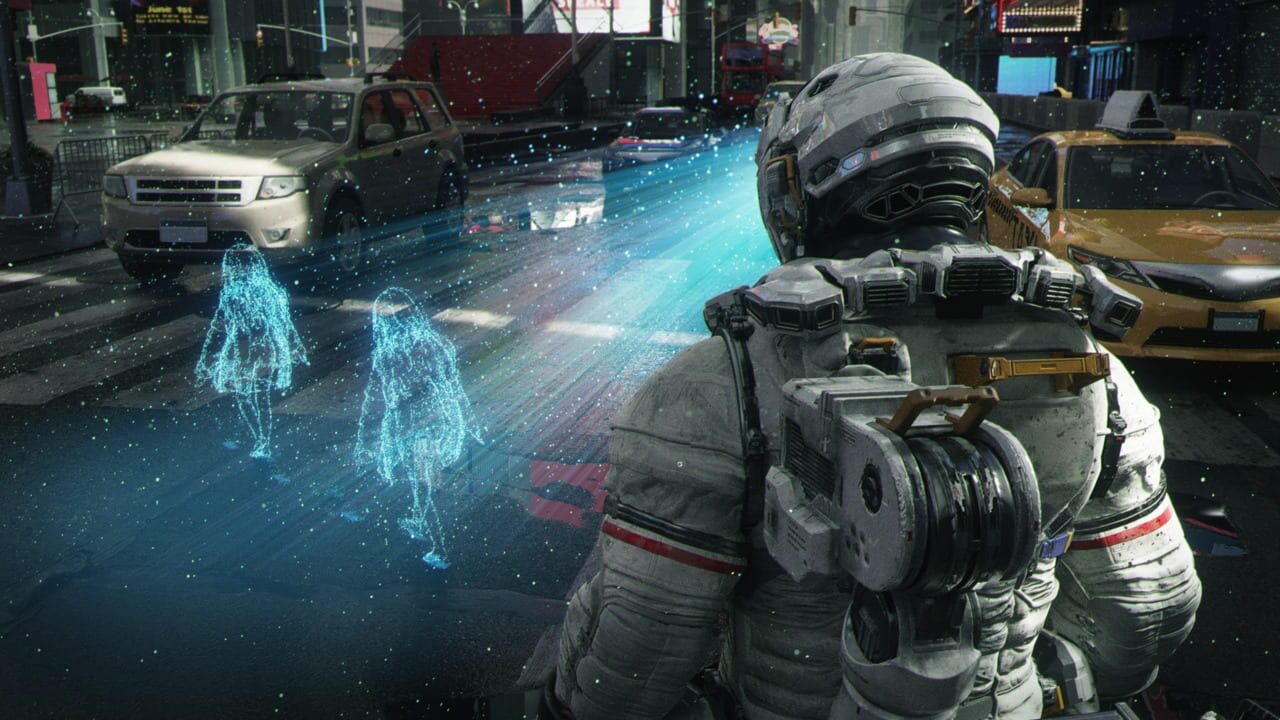
The contrast with Dead Space Remake's Frostbite engine is fascinating. While Frostbite excels at volumetric fog and light-scattering—perfect for the Ishimura's dark halls—the RE Engine seems better suited for the "clean" yet "distorted" aesthetic of Pragmata. The RE Engine's "Photogrammetry" workflow ensures that even the most alien environments feel grounded in reality, creating a sense of "uncanny" horror that is perfectly suited for Pragmata's themes.
The Evolution of Survival Horror UI
Another area where these games differ is in their approach to User Interface. Dead Space famously pioneered the "diegetic UI," where Isaac's health and stasis levels are integrated into his suit's back. This keeps the player immersed in the world, with no traditional HUD elements cluttering the screen. It was a revolutionary choice in 2008 and remains equally effective in the 2023 remake.
Pragmata, conversely, seems to be leaning into a "high-tech HUD" approach. The trailers show complex holographic menus and data streams that appear around the protagonist. While this is less "minimalist" than Dead Space, it fits the game's focus on hacking and information management. It transforms the screen into a tactical display, reinforcing the idea that the protagonist is a highly advanced operative using cutting-edge technology to survive.
Conclusion: A New Era of Survival
Pragmata isn't trying to be the "next Dead Space." Instead, it’s trying to be the evolution of everything Capcom has learned over the last decade. By combining the survival pressure of Resident Evil with the mechanical depth of Devil May Cry and the high-concept sci-fi themes of Dead Space, they are creating something that feels genuinely new. It represents a maturation of the genre, where action and horror are no longer mutually exclusive but are instead woven together into a single, cohesive experience.

The "hack-and-shoot" moniker represents a shift toward player agency. It’s an admission that survival horror doesn't have to mean "clunky" or "limited." It can mean "complex," "fast," and "technical." As we wait for more news on Pragmata's release, one thing is certain: the sci-fi survival genre has a very bright, very strange future ahead of it. Whether you prefer the surgical precision of Isaac Clarke or the technical versatility of Pragmata's unnamed hero, there has never been a better time to be a fan of sci-fi horror.
Final Thoughts on Genre Convergence
As these two philosophies converge, we are seeing a broader trend in the industry toward "Action-Survival Hybridization." The success of the RE4 Remake and the Dead Space Remake has proven that there is a massive audience for games that respect the player's intelligence and dexterity. Pragmata is the boldest step yet in that direction, a game that promises to challenge our reflexes as much as our nerves. It signals the end of the era where "horror" was synonymous with "powerlessness."
In the end, the winner isn't Capcom or EA—it's the players. We are entering a golden age of sci-fi survival, where the only limit is the imagination of the developers and the courage of the players who dare to step into the dark. The "hack-and-shoot" revolution is just beginning, and Pragmata is leading the charge.