The 2026 Backlog Intervention: 10 Games That Deserve Your Attention Now
The gaming landscape in 2026 is a vast, overwhelming expanse. With subscription services, constant sales, and a relentless stream of new releases, our digital libraries have bec...
The 2026 Backlog Intervention: 10 Games That Deserve Your Attention Now
The gaming landscape in 2026 is a vast, overwhelming expanse. With subscription services, constant sales, and a relentless stream of new releases, our digital libraries have become graveyards of good intentions. We buy, we wishlist, we promise ourselves "someday," and then we move on. But a backlog isn't a museum; it's a library waiting to be read. This year, it's time for an intervention. Instead of chasing the new, let's rediscover the gems we already own. The following list isn't about the hottest 2026 releases; it's a curated selection of titles from recent years that represent peak experiences in their respective genres. These are the games whose critical acclaim and enduring design have stood the test of a few years, moving from hype to confirmed classics. They are the perfect candidates to move from the cold storage of "Backlog" to the active engagement of "Playing."
First, consider the narrative masterpieces that have redefined storytelling. If your backlog contains titles like Disco Elysium or Pentiment, you're sitting on some of the most literate and philosophically dense experiences in the medium. Disco Elysium is less a traditional RPG and more a playable novel about failure, memory, and political ideology, all filtered through the haze of a world-ending hangover. Its isometric world is dense with text, but every line crackles with personality, making its detective work an exercise in psychological excavation rather than clue collection. Similarly, Pentiment uses its meticulously researched historical setting and striking art style to explore how stories, truths, and myths are woven into the fabric of a community over generations. Playing it feels less like gaming and more like participating in a living, breathing medieval manuscript. These aren't games you "complete" so much as you inhabit and contemplate.
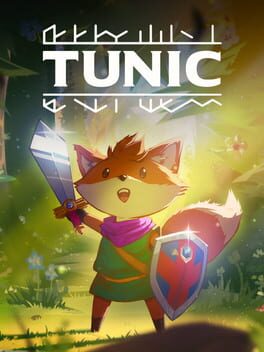
For those craving pure, unadulterated gameplay innovation, the last few years have delivered titles that are essentially perfect loops. Returnal transformed the roguelike into a haunting, third-person action spectacle, marrying punishing but fair combat with a mind-bending narrative about cyclical trauma. Its DualSense implementation remains a high-water mark for tactile feedback, making every rain-slicked step and trigger pull feel visceral. On a completely different note, Tunic is a love letter to classic adventure games that masterfully withholds information, turning the act of playing into a process of discovery and decipherment. Its isometric world is adorable, but its challenges are razor-sharp, rewarding observation and clever thinking in a way few modern games dare. Both games demand your focus and reward mastery, offering that rare satisfaction of overcoming a system you have come to understand intimately.
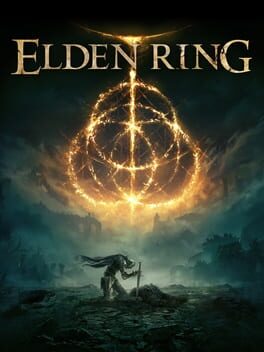
Of course, no backlog cleanse is complete without acknowledging the open-world titans that have consumed hundreds of hours of collective playtime. While the genre is often criticized for bloat, the best examples use their scale to foster unparalleled immersion. Elden Ring didn't just expand the Souls formula; it redefined the sense of wonder in exploration. Its The Lands Between is a bleak, beautiful, and terrifying place where every distant spire or hidden cave promises either glorious reward or gruesome death. The freedom to simply pick a direction and get lost, stumbling upon epic dragon fights or tragic character quests entirely organically, is a magic that hasn't faded. Similarly, the sheer density and chaotic energy of Cyberpunk 2077, especially following its monumental 2.0 update and Phantom Liberty expansion, offers a neon-drenched playground of stories and systems that finally delivers on its initial promise. Night City is a character in itself, a vertical labyrinth of ambition and despair.
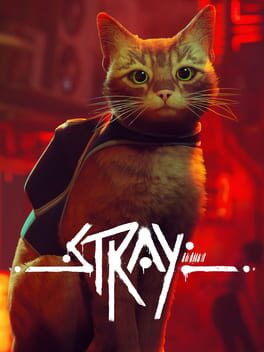
We must also make room for the smaller, more focused experiences that deliver a powerful punch in a shorter timeframe. Stray, the game of being a cat in a cybercity, remains a unique aesthetic and atmospheric joy. Its puzzles are light, but the pleasure of navigating its detailed, decaying world from a feline perspective is enduringly charming. For a more intense narrative shot, Immortality is a stunning piece of interactive filmmaking that asks you to piece together the story of a vanished actress by scrubbing through the reels of her three unreleased movies. It’s a detective story, a Hollywood ghost story, and a technical marvel all in one. These games prove that a 6-10 hour commitment can be as memorable and impactful as an 80-hour odyssey, making them perfect backlog palate cleansers between larger adventures.
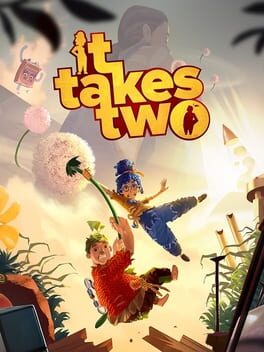
Finally, consider the co-operative and social experiences you might have shelved. It Takes Two is not just the best co-op game of recent years; it's a masterclass in varied gameplay and inventive mechanics, constantly introducing new ideas to facilitate its story of a crumbling relationship. It requires a partner, but it's the kind of shared experience that creates lasting memories. On the competitive side, the refined, ever-evolving chaos of MultiVersus offers a platform fighter with an incredible sense of weight and a wonderfully absurd cast. While not in our resolved data, its potential for pure, fun competition with friends makes it a perennial candidate for a "just one more match" session. Dedicating time to these games is an investment in social gaming, pulling you out of solitary play and into shared laughter and rivalry.
The common thread among all these titles is intentionality. They were not designed to be endless content mills, but curated, specific experiences. In 2026, as the new release calendar continues to accelerate, there is a profound value in slowing down and appreciating the craft of games that have already proven their worth. Moving these from your backlog isn't an act of catching up; it's an act of reclaiming your time and attention for art that deserves it. So open your library, find one of these gems, and hit "Play." The best game you'll experience this year might already be waiting for you.
Games referenced in this article
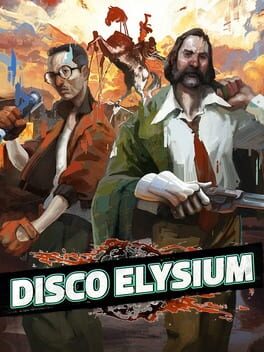
Disco Elysium
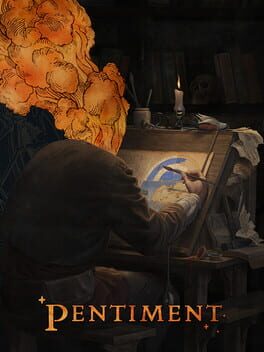
Pentiment
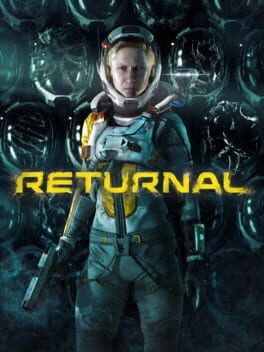
Returnal
Tunic
Elden Ring

Cyberpunk 2077
Stray

Immortality