Beyond the Dragonborn: 5 First-Person RPGs for Your Sword & Magic Fix
The legacy of The Elder Scrolls V: Skyrim is undeniable. For over a decade, its potent formula of first-person exploration, visceral melee combat, and flexible magic systems has...
Beyond the Dragonborn: 5 First-Person RPGs for Your Sword & Magic Fix
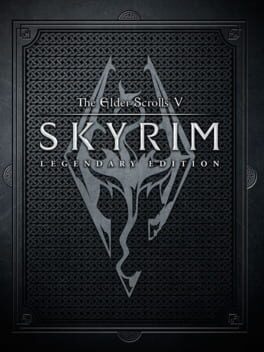
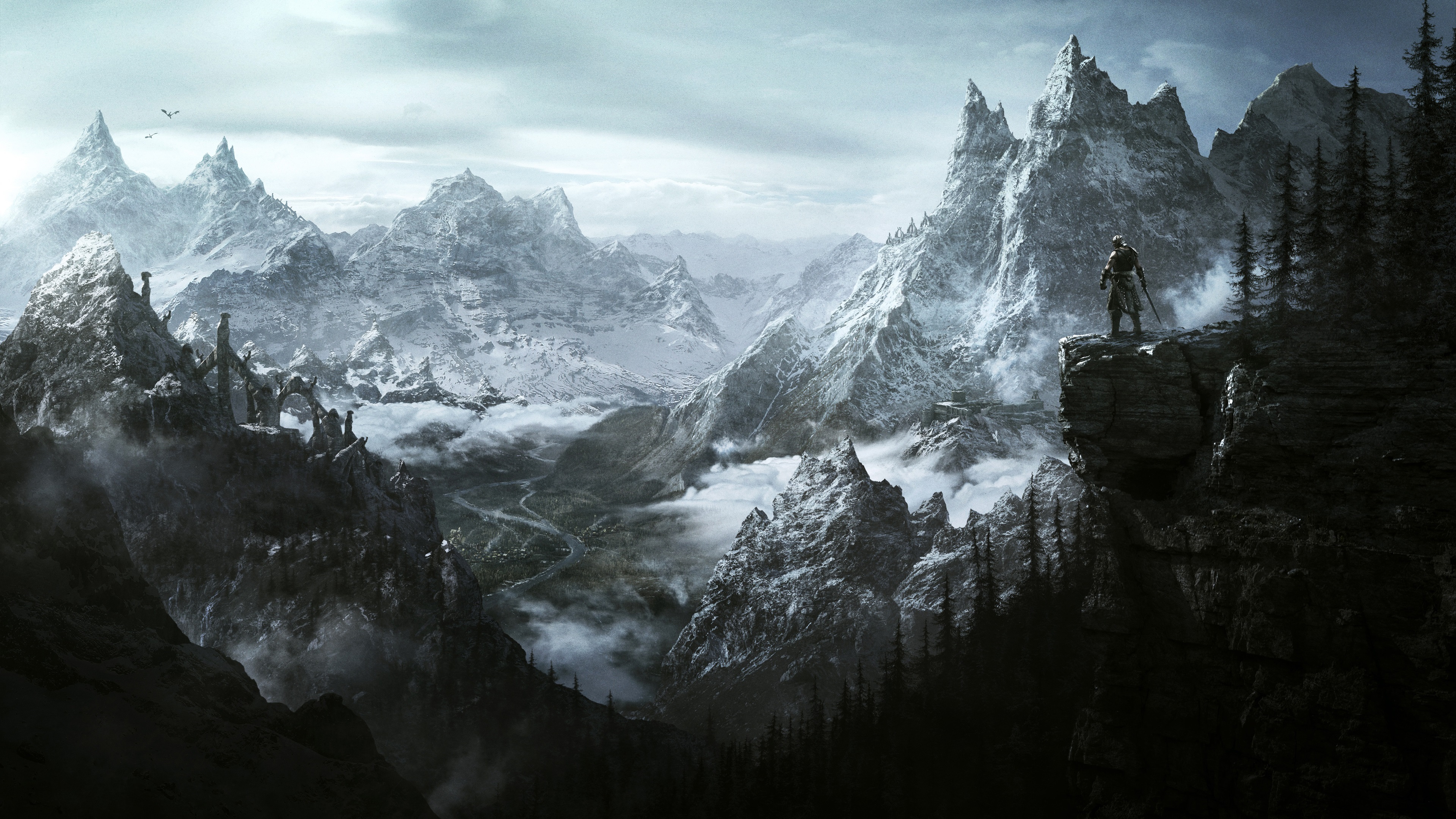
The legacy of The Elder Scrolls V: Skyrim Legendary Edition is undeniable. For over a decade, its potent formula of first-person exploration, visceral melee combat, and flexible magic systems has defined the open-world fantasy RPG. That specific thrill of raising a shield in one hand and conjuring a flame in the other, all from an immersive, ground-level perspective, is a niche that remains surprisingly sparsely populated. While many games borrow the open world or the progression, few commit to that intimate, first-person fantasy combat loop. If you're chasing that particular dragon, looking for worlds where you can be a spellsword, a battlemage, or a stealthy archer with a dagger up your sleeve, your journey doesn't have to end in Tamriel. From dark, narrative-driven worlds to ambitious indie passion projects, here are experiences that capture the spirit of Skyrim's first-person adventuring.
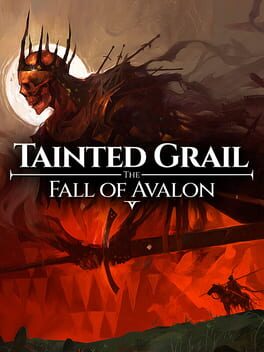
Leading the charge is Tainted Grail: The Fall of Avalon, a title that feels like a direct answer to the call for a deeper, more complex first-person RPG. Released in May 2025, it transplants the Skyrim formula into a grim, Arthurian-inspired world where myth is broken and the land itself is dying. The comparison is immediate: a vast, open world full of ruins, villages, and dark forests to explore at your own pace. Where it diverges is in its commitment to consequence. Quests are less about simple fetch-eries and more about navigating morally grey narratives where your choices tangibly alter the world and its factions. The combat system offers that familiar blend of swordplay and sorcery, but with a weightier, more deliberate pace that emphasizes timing and stamina management. It’s a game that respects the player’s intelligence, offering a world that feels genuinely reactive and dangerous, a perfect next step for those who craved more depth from Skyrim’s radiant systems.
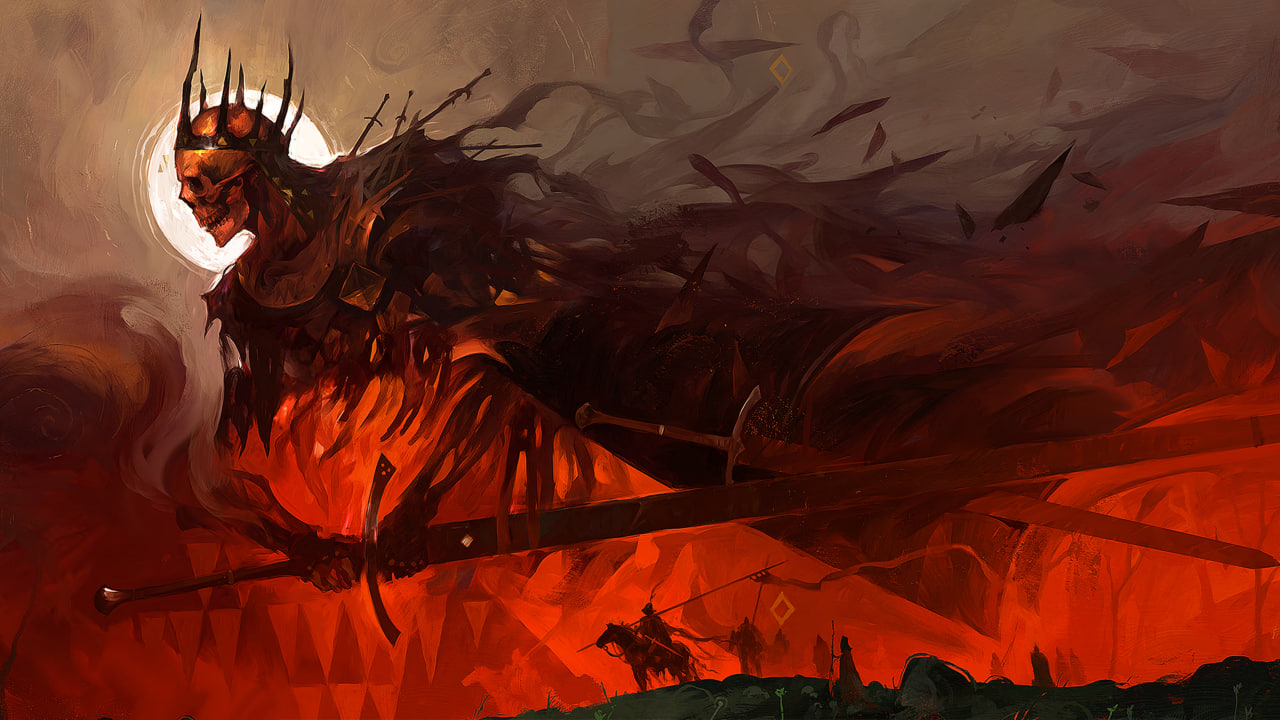
For a truly unparalleled narrative experience built within a Skyrim framework, one must look to the monumental mod-turned-standalone game, Enderal: Forgotten Stories. This is not merely a mod but a complete game built in the Skyrim engine, featuring its own vast continent, lore, and a story that is often cited as superior to many AAA offerings. Enderal fully embraces the first-person perspective, delivering its dark, psychological tale through that intimate lens. Its magic and combat systems are familiar yet refined, with a challenging class system and a world that rewards exploration not with leveled loot, but with meaningful discoveries and tragic tales. The sense of place is profound, from the towering spires of the capital city, Ark, to the sun-drenched cliffs of the Heartland. It retains the core physicality of Skyrim’s gameplay while weaving a narrative so compelling it recontextualizes the entire engine. It’s a testament to what passionate developers can achieve and remains one of the most essential first-person RPG experiences available, period.
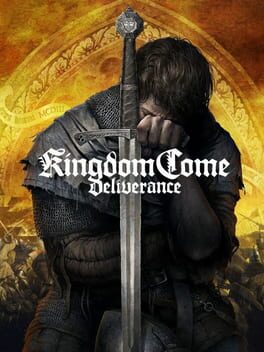
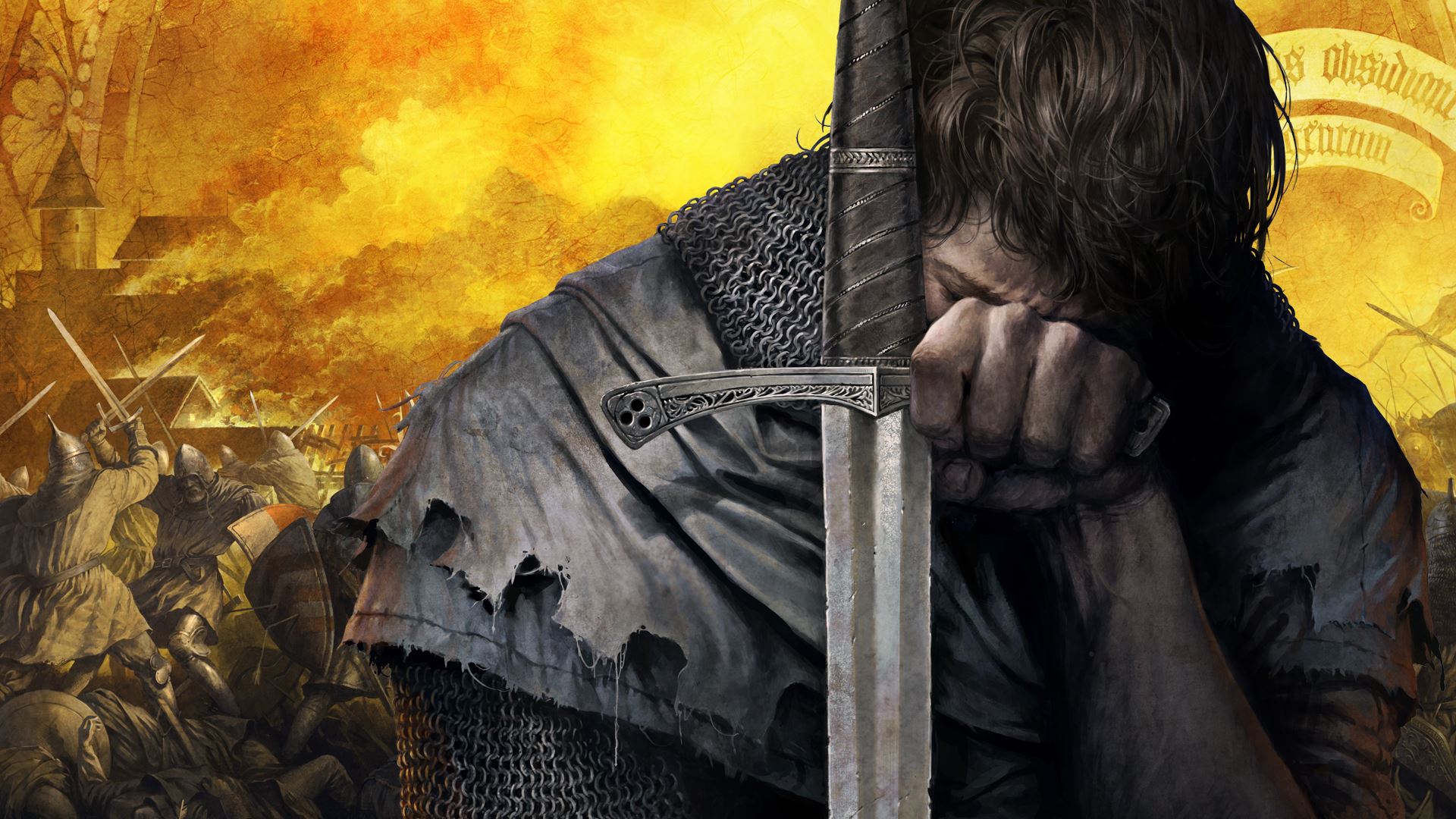
Stepping away from traditional fantasy, Kingdom Come: Deliverance offers a masterclass in grounded, first-person medieval immersion. While it foregoes magic entirely, the core loop of first-person exploration, intricate melee combat, and deep character progression will feel intimately familiar to any Skyrim veteran. The swordplay is a detailed system of directional strikes, master strokes, and clashing steel that demands skill rather than level. Your progression from a blacksmith’s son who can barely hold a sword to a competent knight is one of the most rewarding arcs in gaming. The sprawling forests and historically accurate landscapes of Bohemia are a joy to explore, filled with secrets, bandit camps, and dynamic events. For players who loved the "warrior" half of the spellsword fantasy and wished for a world with more historical grit and consequence, Kingdom Come is an indispensable journey. It proves that the first-person RPG framework is incredibly versatile, capable of delivering intense realism just as well as high fantasy.
Another title that carves its own unique path is Dark Messiah of Might and Magic. While older, its influence on the genre and its commitment to thrilling, physics-based first-person combat is legendary. This game is all about kinetic action. You’ll kick enemies into spiked walls, freeze puddles to make them slip, and use environmental traps with a glee that later RPGs often lack. The magic and swordplay are tools in a chaotic playground, encouraging creative and often hilarious solutions to combat encounters. Its level-based structure is more linear than Skyrim’s open world, but each environment is a puzzle box of violent possibilities. For the Skyrim player who spent hours using Fus Ro Dah to send bandits flying off cliffs, Dark Messiah is the pure, concentrated essence of that fantasy. It’s a game about feeling powerful and clever in the moment, making every encounter a dynamic spectacle.
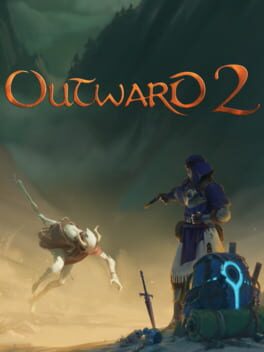
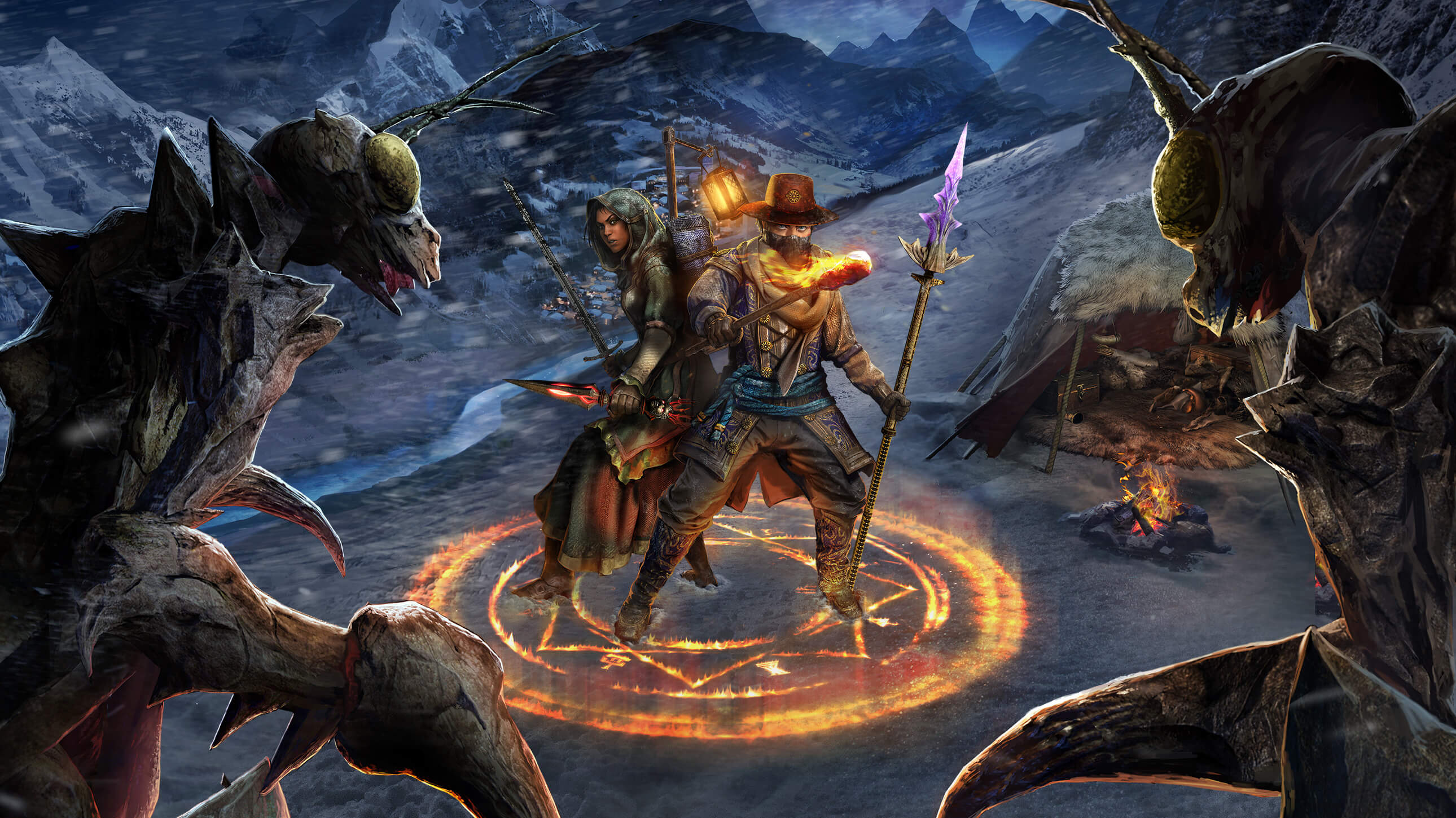
Finally, we look to the ambitious and atmospheric Outward, a game that embraces the harsh, unforgiving side of adventure that Skyrim often glosses over. This is a first-person (and third-person) RPG with a relentless focus on survival and preparation. Magic isn't just learned from a book; it requires arduous rituals and personal sacrifice. Combat is slow, deliberate, and punishing, where a single wolf can be a lethal threat. The world is vast, beautiful, and completely unconcerned with your existence—there are no quest markers, and getting lost is part of the experience. What it shares with Skyrim is that profound sense of setting out from a town into the wild unknown, not knowing what you’ll find. It replaces power fantasy with a gritty, rewarding struggle for competence and discovery. For those who loved the early-game vulnerability of Skyrim on higher difficulties and wished the entire game maintained that tension, Outward is a uniquely satisfying challenge.
The search for games like Skyrim often focuses on scale and freedom, but the true magic for many lies in that first-person perspective—the direct, unmediated connection between your hands and the action. Whether it’s the narrative grandeur of Enderal, the historical rigor of Kingdom Come, the chaotic physics of Dark Messiah, the survivalist struggle of Outward, or the choice-driven depth of Tainted Grail, each of these games understands that fundamental appeal. They prove that the template established in 2011 remains a fertile ground for innovation, waiting for players to raise a new sword, chant a new spell, and step into another world that feels real at arm's length. The adventure is far from over.