The Witcher Games in Order Before The Witcher IV
The best Witcher game order before The Witcher IV, with one-game, two-game, and complete routes plus the sequel facts CDPR has confirmed.
Automated drafting assistance was used in preparing this article; sources and publication remain subject to CheckpointDB editorial review.
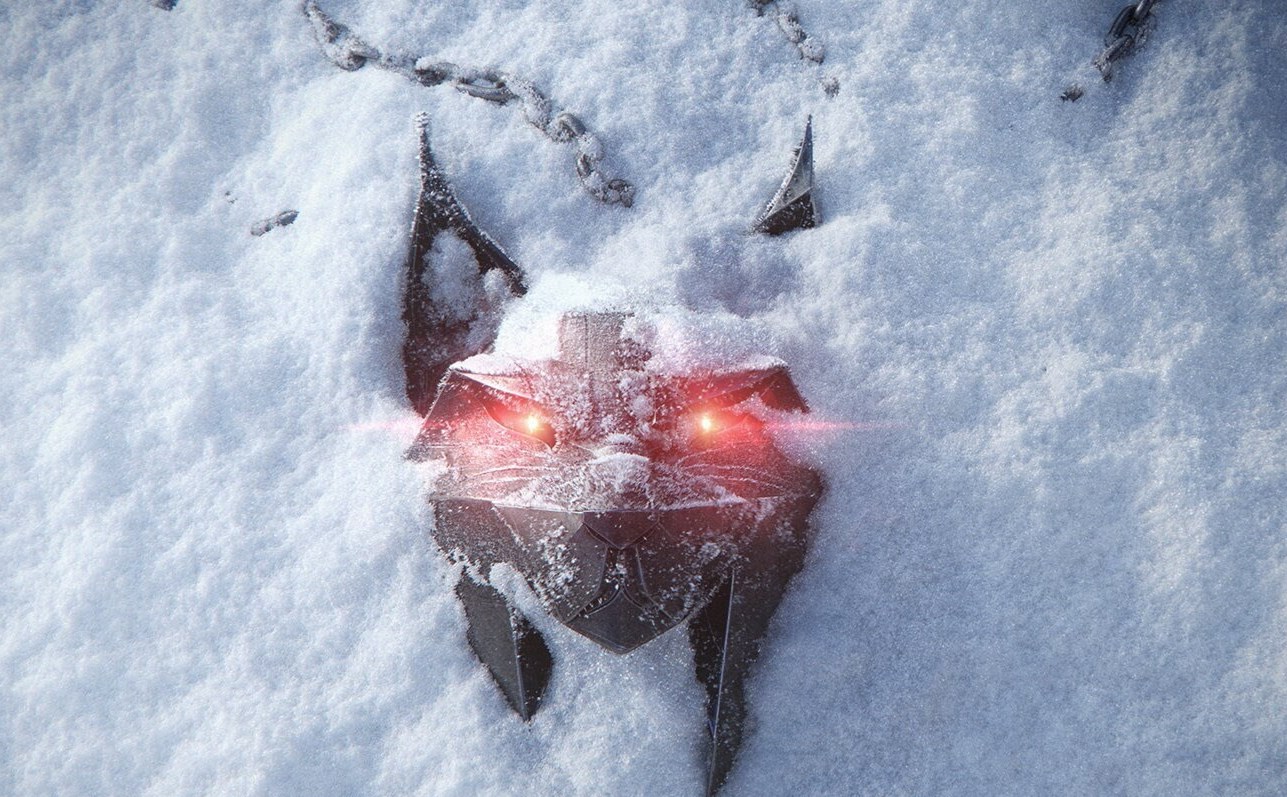
The full release-order route is The Witcher, The Witcher 2: Assassins of Kings, The Witcher 3: Wild Hunt, then The Witcher IV. If you want one substantial preparation game, choose The Witcher 3. CD Projekt Red describes the new game as both a successor to The Witcher 3 and the start of a Ciri-led saga, so prior knowledge should add context without making three completed saves an entry requirement.
The Witcher games in release order
The clean order is also the easiest order to remember:
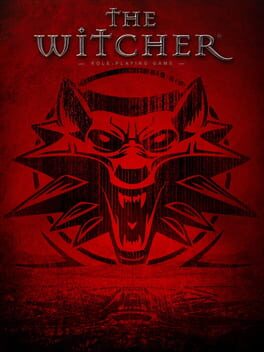
- The Witcher — the start of CD Projekt Red's game trilogy and the most mechanically dated entry.
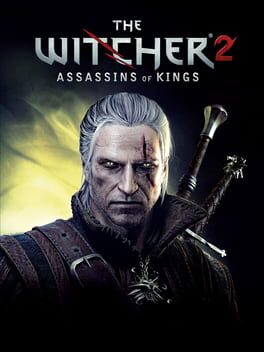
- The Witcher 2: Assassins of Kings — a tighter political RPG with major branching decisions and a more modern combat structure.
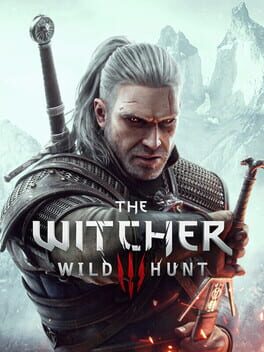
- The Witcher 3: Wild Hunt — the open-world conclusion to Geralt's original game saga and the most relevant setup for Ciri.
- The Witcher IV — the next mainline game, with no announced release date as of August 12, 2026.
Release order works because each shipped game assumes a world changed by the previous one, even when it explains enough for newcomers to follow the immediate conflict. It also lets the combat, quest presentation, and exploration systems grow more sophisticated as you advance.
Side games are optional for this purpose. Thronebreaker expands the setting through a separate role-playing campaign, while Gwent focuses on the card game. Both can deepen familiarity with the Continent, but neither sits between numbered story beats that CD Projekt Red has identified as required setup for The Witcher IV.
Which route should you choose?
One game: start with The Witcher 3
Choose The Witcher 3 when time matters more than completion. It introduces its immediate political situation, explains Geralt's important relationships in context, and places Ciri at the center of the main search. CD Projekt Red's own series page presents it as the point where Geralt takes on his defining contract to reunite with her.
The Complete Edition is the sensible version when available on your platform because it packages the base game with Hearts of Stone and Blood and Wine. Those expansions add excellent character and world material, but the base campaign is the priority for sequel preparation. If your schedule is tight, finish that campaign before deciding whether to continue into the expansions.
Two games: play The Witcher 2, then The Witcher 3
This route is a strong balance for players who want to see CD Projekt Red's choice-driven design develop without beginning with the oldest combat system. The Witcher 2 establishes more of the kingdoms, factions, and personal history that The Witcher 3 later treats as lived experience. Its branching structure also demonstrates an important series principle: two players can understand the same conflict from meaningfully different angles.
Play it for political and character context, not because a particular decision has been confirmed to carry into The Witcher IV. No official source listed here confirms a save-import system for the new game. Make choices that fit your Geralt rather than trying to predict an unannounced compatibility feature.
Three games: play the full original trilogy
Start at The Witcher if you enjoy older PC RPGs, want Geralt's game history from its beginning, or care about seeing recurring relationships develop across the trilogy. Its interface, rhythm, and combat require more adjustment than the sequels, but its smaller-scale investigations establish the profession of monster hunting particularly well.
The benefit of this route is accumulation. Familiar faces and political shifts carry more weight after dozens of earlier encounters. The cost is time and friction, so there is no shame in using a story recap if the first game's systems stop being enjoyable. Preparation should make The Witcher IV more inviting, not turn the series into homework.
What each game adds before Ciri's new saga
The first game is most useful for understanding Geralt as a working witcher. Contracts involve preparation, investigation, local prejudice, and choices where a clean moral answer is rare. Those themes matter more than memorizing every name or settlement.
The Witcher 2 widens the lens. Geralt becomes entangled in conflicts among rulers, armies, nonhuman communities, and powerful institutions. Its divergent paths make consequence feel structural rather than cosmetic. That background helps with the political texture of The Witcher 3, although newcomers can still follow the third game's central story.
The Witcher 3 provides the clearest bridge because it develops Ciri as a person rather than merely a piece of lore. It also brings Geralt's long-running relationships and responsibilities together in one accessible open world. For preparation, pay attention to how Ciri responds to trust, pressure, and autonomy. That emotional context is more likely to enrich a Ciri-led story than a perfect memory of quest outcomes.
Avoid turning your run into a checklist of supposedly canonical choices. CD Projekt Red's announcement confirms that Ciri is The Witcher IV's protagonist, but it does not publish a required ending for players to select in The Witcher 3. Until the developer explains continuity in more detail, claims that one ending or save state is mandatory are speculation.
What is confirmed about The Witcher IV?
CD Projekt Red revealed The Witcher IV in December 2024 as the first game in a new Witcher saga and a successor to The Witcher 3. The announcement identifies Ciri as the protagonist and says the game is being developed with customized Unreal Engine 5 technology. Its reveal trailer was cinematic, so it should be read as a statement of character, tone, and ambition rather than a frame-by-frame sample of final gameplay.
The June 2025 Unreal Engine 5 presentation supplied another carefully bounded look. CD Projekt Red and Epic Games showed a technical demo set in Kovir, a region the studio says will appear in the game series for the first time in The Witcher IV. The presentation followed Ciri and demonstrated technology intended to support the open world. It was a technology showcase, not confirmation that its precise route, encounters, interface, or visual settings will ship unchanged.
As of August 12, 2026, the official materials cited here do not announce a release date. They also do not confirm save-transfer rules, a canonical The Witcher 3 ending, or how much the new story will recap. Those unknowns are why release order is the safest recommendation: it provides context without pretending that CD Projekt Red has published requirements it has not.
A spoiler-light preparation checklist
If you want the highest-value refresher without reading plot summaries, focus on a few ideas while playing:
- Notice how witcher contracts mix evidence, folklore, preparation, and judgment.
- Track Geralt's relationships with Ciri, Yennefer, Triss, and his fellow witchers at a broad level.
- Learn the difference between monster hunting as a profession and the political roles other people force onto witchers.
- Let choices stand instead of reloading for an imagined future import.
- Finish The Witcher 3's base campaign before treating its expansions or side games as priorities.
The best order is therefore flexible, not confusing: The Witcher 3 alone for the shortest route; The Witcher 2 followed by The Witcher 3 for added political context; or the original trilogy in release order for the fullest game history. All three routes lead naturally toward a new saga centered on Ciri.