Control and Alan Wake Play Order Before Control Resonant
A spoiler-light Control and Alan Wake play order, from the essential two-game route to the complete Remedy Connected Universe path.
Automated drafting assistance was used in preparing this article; sources and publication remain subject to CheckpointDB editorial review.
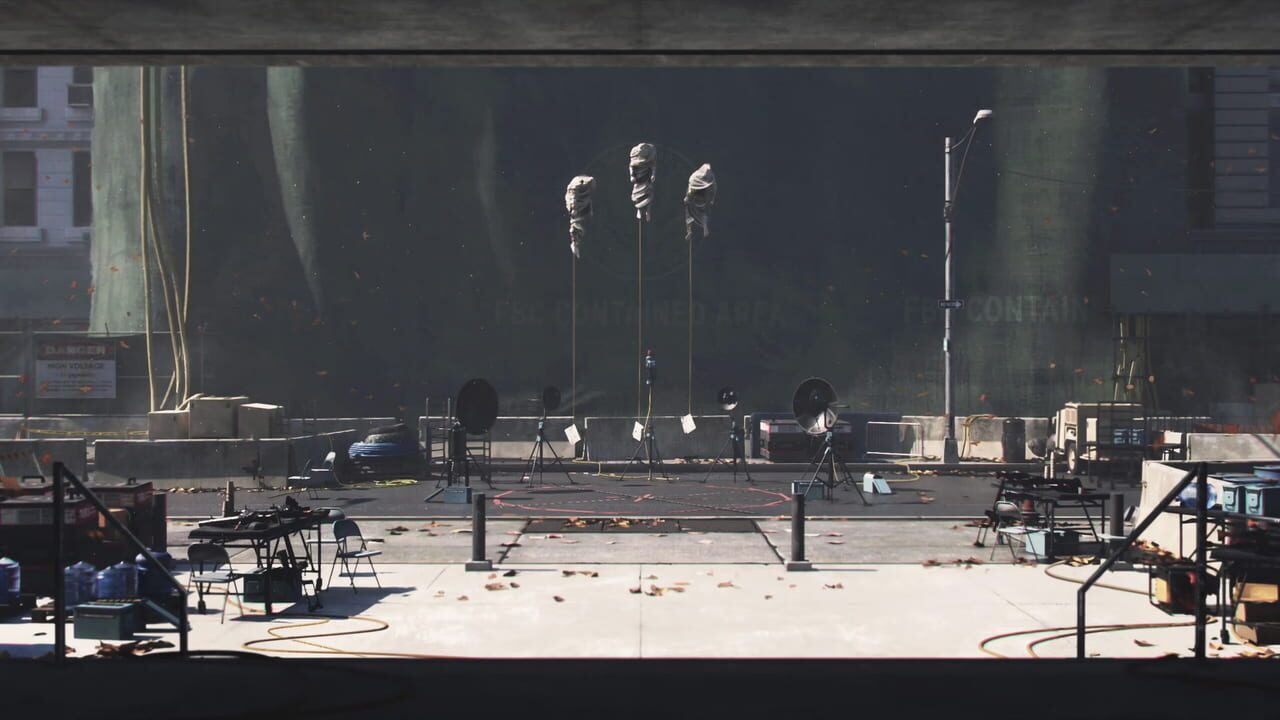
The essential route is Control, including its AWE expansion, followed by Control Resonant. The richer connected-universe route is Alan Wake Remastered, Control and AWE, Alan Wake II, then Control Resonant. That longer order preserves each mystery's original framing without requiring every Remedy game or every collectible. It is the best balance for someone who wants context, not a second job.
The three useful play orders
Essential Control route
- Control
- The Foundation expansion
- AWE expansion
- Control Resonant
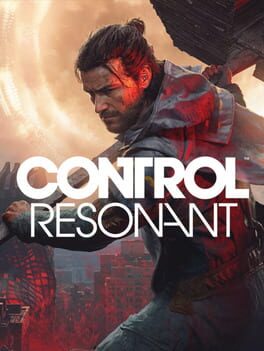
Choose this route if your priority is understanding the Faden siblings, the Federal Bureau of Control, and the rules of the Oldest House. Remedy calls Resonant a direct sequel to Control. Its confirmed premise puts Dylan Faden in a reality-warped Manhattan while his sister, Jesse, is missing. The first game therefore matters more than any wider-universe detour.
The Foundation develops the Bureau side of the story, while AWE creates the clearest explicit bridge toward Alan Wake. Remedy's own support documentation says AWE unlocks after the seventh main story mission; saving it until after the base campaign produces a cleaner narrative flow even though it can technically begin earlier.
Connected-universe route
- Alan Wake Remastered
- Control
- The Foundation
- AWE
- Alan Wake II
- Alan Wake II's Night Springs and The Lake House expansions
- Control Resonant
This is the recommended route for players who enjoy assembling lore. Remedy officially describes Control and Alan Wake as separate franchises linked through the Remedy Connected Universe. Alan Wake establishes Bright Falls and its storytelling logic before Control gives those events a bureaucratic vocabulary. AWE then works as a hinge between the two series, and Alan Wake II can build on recognition from both sides.
The two Alan Wake II expansions are optional. Night Springs is especially suited to players who enjoy possibility, experimentation, and alternate perspectives; The Lake House is the more obvious Bureau-facing stop. Neither should delay you if the approaching Resonant release is turning an enjoyable catch-up into a checklist.
Fast refresher route
- Revisit Control's main ending and key Bureau case files
- Replay or recap AWE
- Review Dylan and Jesse's major scenes
- Start Control Resonant
This route is for someone who already completed Control. A plot-summary video can restore event order, but the in-game files are more valuable than an exhaustive recap because they restore the Bureau's language: Altered World Events, Objects of Power, thresholds, containment, and the uncertainty built into every report.
Do you need Alan Wake before Control Resonant?
No official source says Alan Wake is required. The confirmed through-line into Resonant is Control: Dylan becomes the playable lead, Jesse is missing, and the crisis expands beyond the Oldest House into Manhattan. If you have time for one game, play Control rather than Alan Wake Remastered.
Alan Wake is valuable for a different reason. It teaches you how Remedy's connected universe lets fiction, interpretation, and supernatural rules overlap. A familiar place or name may carry an extra layer after the Alan Wake games, but recognizing that layer is not the same as understanding the basic action. Remedy wants both franchises to have their own worlds and expansion opportunities even while they connect.
That makes the full route enrichment, not an entrance exam. A newcomer who finishes Control and AWE will have the central characters and institutional context. A lore-focused player who adds both Alan Wake games will be better equipped to notice echoes and question apparent explanations. Those are two valid experiences, not complete and incomplete versions of the same one.
Why release order works better than a lore timeline
Trying to force these games into a strict internal chronology misses how their mysteries are constructed. Later stories revisit earlier events, fictional works can comment on reality, and documents are often written by people with partial knowledge. A chronological spreadsheet can reveal a date while flattening the intended uncertainty.
Release order also preserves presentation. Alan Wake begins with a focused mystery in Bright Falls. Control widens the frame by introducing an institution that investigates events like it. AWE makes the relationship explicit. Alan Wake II then arrives for an audience that may already understand both vocabularies. Resonant continues the Control side with a different protagonist and a changed setting.
This sequence does not guarantee that every question will be answered. It does ensure that a reference usually appears after the work that gave it meaning. For this particular universe, that is more useful than arranging every flashback by fictional date.
What Control Resonant changes
Control Resonant is not simply another tour through the Oldest House. Remedy confirms that Dylan is the sole playable character and Manhattan is the main crisis zone. Jesse's absence drives his search, while a new resonance joins established paranatural threats in warping the city.
The mechanical direction changes too. Remedy describes the sequel as an action-adventure RPG. Its combat is organized around three pillars: supernatural abilities earned from major Resonant encounters, forms for Dylan's shapeshifting melee weapon called the Aberrant, and talents that create build synergies. The developer has also said that not everything can be unlocked in one playthrough.
Those confirmed changes affect preparation. You do not need to perfect Jesse's Service Weapon loadout or finish Control's hardest optional encounters. The more transferable knowledge is narrative: who Dylan and Jesse are, what the Bureau did to them, how the Hiss crisis altered the organization, and why official explanations in this universe deserve scrutiny.
A spoiler-light catch-up checklist
Before Resonant, make sure you can answer five broad questions without looking up hidden endings:
- What brought Jesse to the Federal Bureau of Control?
- Why was Dylan already inside the Bureau's orbit?
- What is the Director's role, and why does the Service Weapon matter?
- What happened to the Oldest House during Control?
- How does AWE connect a Bureau investigation to Bright Falls?
If those answers feel familiar, you are ready. Hunting every hotline message and completing every arcade challenge can deepen the texture, but Resonant's new location and protagonist should supply its own immediate goals.
Confirmed release information
As of August 12, 2026, Control Resonant is scheduled for September 24, 2026 on PlayStation 5, Xbox Series X|S, and PC through Steam and the Epic Games Store, with GeForce NOW support. Remedy says a Mac version will follow later in 2026. The sequel is a single-player game; the official material used here does not make ownership of Alan Wake or its expansions a prerequisite.
The practical recommendation is therefore modular. Play Control and AWE at minimum. Put Alan Wake Remastered before them and Alan Wake II after them if the connected mystery is the attraction. When time runs short, cut optional DLC and collectibles before cutting Control itself. Resonant begins Dylan's playable story, but Control is where the consequences that shape him become personal.