The Two Poles of Modern Metroidvania: Indie Soul vs. AAA Precision
The Metroidvania genre, once a niche defined by its namesakes, has exploded into a diverse and vibrant field. Within this landscape, two titles stand as definitive pillars, repr...
The Two Poles of Modern Metroidvania: Indie Soul vs. AAA Precision
| Feature | Hollow Knight | Metroid Dread |
|---|---|---|
| Release Date | February 24, 2017 | October 7, 2021 |
| Developer | Team Cherry | MercurySteam, Nintendo EPD |
| Publisher | Team Cherry | Nintendo |
| Key Genres | Platform, Adventure, Indie | Platform, Adventure |
| Key Frameworks | Metroidvania, Soulslike | Metroidvania |
| Platforms | PlayStation 4, Linux, PC, Mac, Wii U, Xbox One, Switch | Nintendo Switch |
| Metacritic | 88 | — |
| RAWG Rating | 4.4 | 4.37 |
| CheckpointDB Rating | 91.7 | 84.2 |
The Metroidvania genre, once a niche defined by its namesakes, has exploded into a diverse and vibrant field. Within this landscape, two titles stand as definitive pillars, representing fundamentally different approaches to the formula: the indie-crafted, atmospheric odyssey of Hollow Knight and the polished, action-forward precision of Metroid Dread. One emerges from the passion of a small team, embracing depth, melancholy, and punishing exploration. The other is the triumphant return of a foundational franchise, honed to a razor's edge by decades of institutional knowledge. Together, they map the boundaries of what a modern Metroidvania can be.
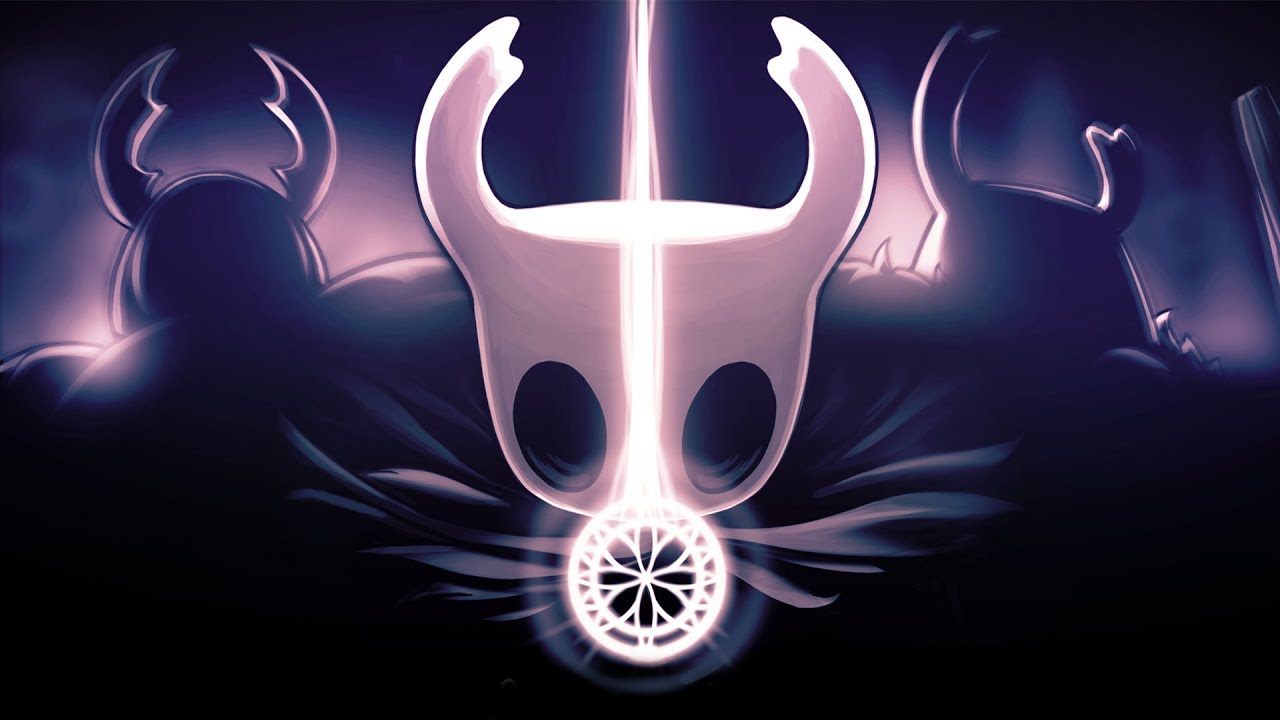
Hollow Knight is a masterpiece of atmospheric world-building and systemic depth. Its greatest strength lies in the kingdom of Hallownest itself—a sprawling, interconnected labyrinth that feels less like a designed video game level and more like a forgotten, living ecosystem in decay. The game adopts the "Soulslike" framework not just in its challenging combat and corpse-run mechanics, but in its environmental storytelling. Lore is whispered through cryptic tablet inscriptions, the positioning of corpses, and the melancholic dialogues of broken survivors. There is no hand-holding; the map is a purchasable tool, and vast, dangerous areas can be stumbled into long before the player is "ready," creating a genuine sense of vulnerability and discovery. The combat, while starting simple, unfolds into a deep system of charms (equippable upgrades) and nail arts that allow for significant player customization and expression.
This commitment to a dense, player-driven experience extends to its progression. Ability gates in Hollow Knight often feel like organic parts of the world—a shadow gate requiring a specific cloak, a acid pool needing a protective charm—rather than obvious locks for future keys. The game’s internal rating of 91.7 reflects its status as a genre benchmark, a title that proved an indie team could not only match but expand upon the ambitions of its AAA inspirations. Its 2017 release catalyzed a wave of soulsvanias, demonstrating an audience hungry for expansive, challenging, and emotionally resonant worlds built with clear artistic vision rather than corporate mandate. The journey through Hallownest is a slow, often lonely pilgrimage, where every new bench (save point) feels like a hard-won sanctuary and every major boss victory a monumental personal achievement.
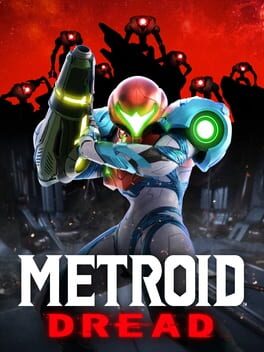
In stark contrast, Metroid Dread represents the apex of AAA, franchise-driven refinement. As the first new 2D Metroid story in 19 years, its mission was clear: modernize the classic formula without losing its essence. The result is a game of incredible fluidity and immediate feedback. Samus Aran has never been more agile, with a suite of moves—the slide, the flash shift, the melee counter—that make traversal and combat feel instantaneous and responsive. The world of ZDR is meticulously designed not just for exploration, but for the sheer joy of movement. Where Hollow Knight invites you to linger and ponder, Metroid Dread propels you forward with kinetic energy. Its design is more guided and cinematic, using the terrifying, unkillable E.M.M.I. robots to create tense, set-piece stealth sequences that break up the exploration and combat loops.
The philosophy here is one of clarity and polish. The map is clear, objective markers are available (though optional), and ability gates are unmistakable, often literally glowing. Progression is a constant, satisfying parade of new tools that immediately and obviously unlock new parts of the map you've already seen. This is the "Nintendo polish" applied to the Metroidvania structure, sanding away friction points like obscure progression or unclear objectives to highlight the core pleasures of gaining power and mastering the environment. With a RAWG rating of 4.37, it was critically hailed for delivering a flawless execution of the classic formula. It is less about uncovering a deep, hidden mythos and more about embodying the fantasy of being the galaxy's most capable bounty hunter, systematically dismantling a hostile planet.
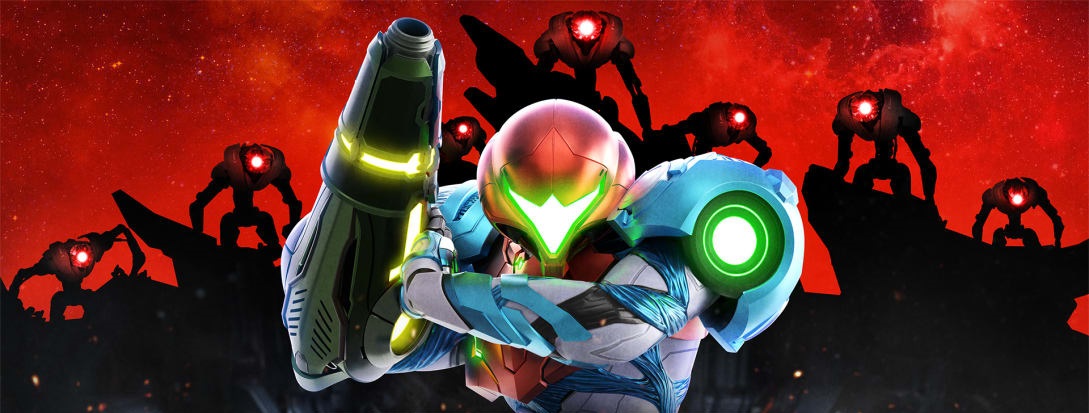
Ultimately, the dichotomy between these two poles enriches the entire genre. Hollow Knight asks for investment and patience, rewarding it with one of gaming's most profound and cohesive worlds. It is the introspective, expansive pole. Metroid Dread demands execution and engagement, rewarding it with flawless pacing and tactile exhilaration. It is the kinetic, precise pole. One is a sprawling, hand-drawn epic born from a Kickstarter campaign; the other is the sleek, high-definition return of a genre-defining icon. A player's preference may lean towards the melancholic depth of Hallownest or the adrenalized polish of ZDR, but both games are essential. They prove that the Metroidvania template is not a rigid set of rules, but a flexible language. Hollow Knight uses that language to write a tragic, immersive poem. Metroid Dread uses it to craft a perfect, action-packed thriller. Together, they define the glorious breadth of possibilities within modern game design.