Elden Ring: How a Shattered Ring Redefined the Open World
Four years have passed since the Tarnished first set foot in the Lands Between, and the dust has long settled on the frenzy of launch. Yet, the shadow cast by Elden Ring over th...
Elden Ring: How a Shattered Ring Redefined the Open World
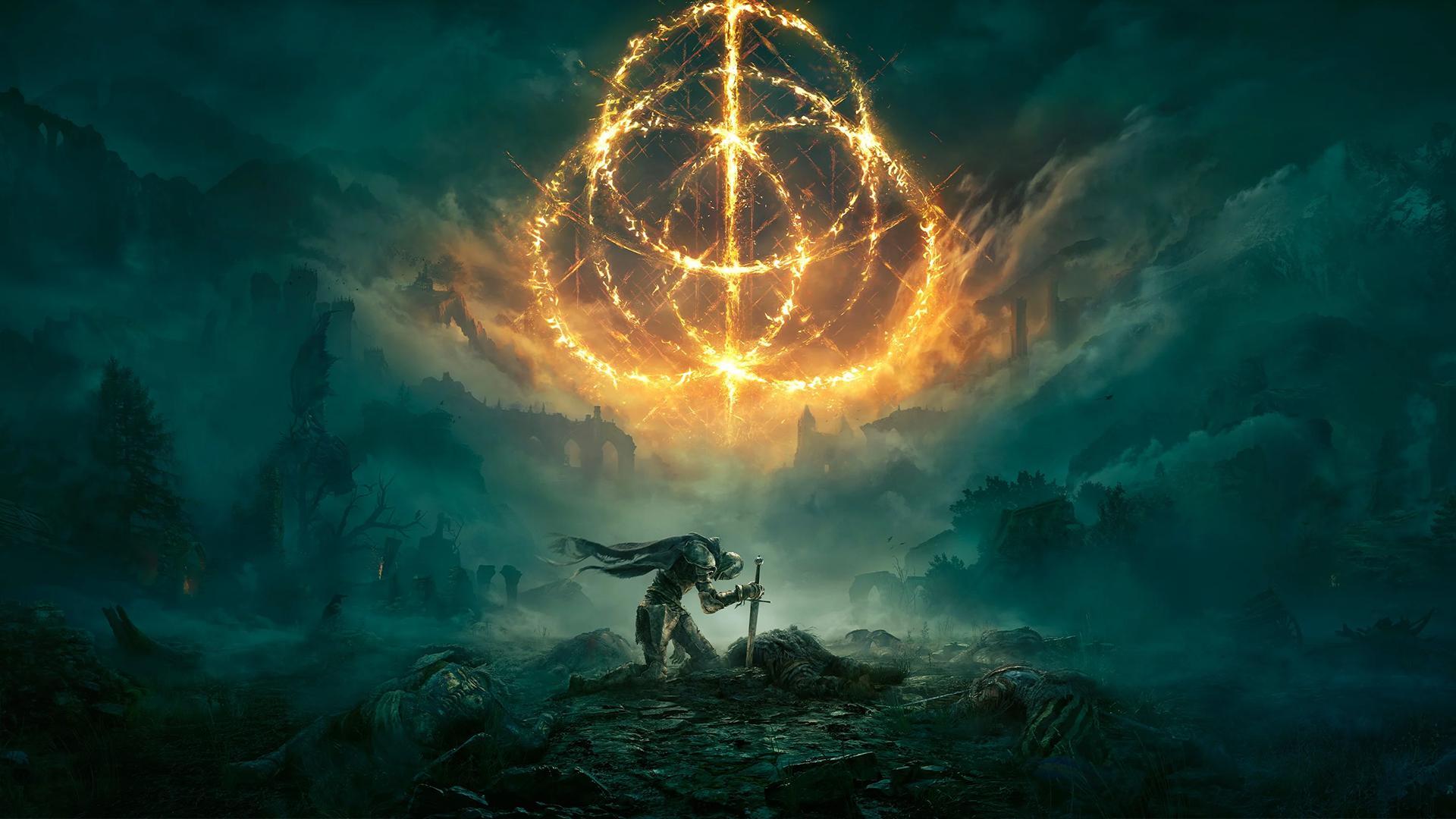
Four years have passed since the Tarnished first set foot in the Lands Between, and the dust has long settled on the frenzy of launch. Yet, the shadow cast by Elden Ring over the open-world genre remains long and profound. Released in February 2022, FromSoftware's collaboration with George R. R. Martin wasn't just another successful game; it was a seismic event that challenged foundational design principles that had grown comfortable, if not stale. In the years since, its influence can be seen not in a wave of clones, but in a quiet, industry-wide recalibration of what players expect from a world worth getting lost in. It proved that a world could be vast and dense with mystery, that guidance could be a whisper rather than a shout, and that the highest reward for exploration is not a better gun, but a moment of awe.
Prior to Elden Ring, the dominant open-world template was one of clarity and convenience. Maps were littered with icons, quests were tracked with GPS precision, and progression was often a predictable loop of clearing points of interest. Elden Ring discarded this handbook. Its map was a blank parchment, filled only by the player's discovery. A distant spire, a strange rock formation, a hidden path behind a waterfall—these were the game's true quest markers. This design demanded a different kind of engagement, one built on curiosity and environmental literacy. The reward was a sense of genuine ownership over one's journey. You didn't unlock the map; you understood it. This philosophy has echoed in titles released in its wake, pushing developers to trust players more, to hide their best secrets, and to design landscapes so compelling that they themselves become the primary narrative lure. The success of this approach silenced a long-held industry fear: that players would be frustrated by a lack of direction. Instead, it revealed a massive audience hungry for the joy of unguided discovery.
Crucially, Elden Ring married this boundless exploration with FromSoftware's signature, uncompromising combat philosophy. It demonstrated that "open world" and "Soulslike" were not contradictory but complementary. The sprawling landscape became the ultimate difficulty regulator. Hitting a wall at a legacy dungeon? The game implicitly encouraged you to turn around, ride elsewhere, and grow stronger through dozens of other adventures. This created a uniquely personal difficulty curve. Your journey was defined not just by which bosses you beat, but by the order in which you chose to tackle the world's challenges. This design validated a non-linear approach to progression and challenge, proving that a game could be both brutally difficult and immensely accessible by virtue of its structure. It wasn't about making the combat easier; it was about giving the player infinite avenues to become better on their own terms. Furthermore, the game's dungeons—from the sprawling Stormveil Castle to the minute catacombs—showcased how meticulously crafted, legacy-style level design could be seeded within an open world, ensuring density of quality rather than just quantity of space.
The critical and commercial reception was a thunderous confirmation of this vision. With a Metacritic score of 95 and a rapturous player response, it transcended its niche to become a global phenomenon. It wasn't merely popular; it was studied. The discourse shifted from "how to beat" to "what did you find," with communities collectively piecing together its opaque lore and sharing locations of hidden bosses and weapons. This collaborative exploration became a core part of the experience, a social layer that the game's design actively fostered through its subtle messaging system and shared challenges. In the years since 2022, its impact is measured less in direct imitators and more in the raised bar for world design. New open-world games are now frequently measured against its standard of rewarding exploration and environmental storytelling. It argued convincingly that the greatest fantasy a game can offer is not a checklist of tasks, but the genuine feeling of being an explorer in a world that does not care about you, yet is filled with wonders waiting to be uncovered on your own initiative. The Lands Between stands not as a template, but as a benchmark—a proof that the open world still has vast, uncharted territories of design left to explore.