The Mouse: P.I. for Hire Controversy – Why the 95% Steam Rating Clashes with IGN’s Review
An exploration of the disconnect between professional critics and player sentiment regarding the indie detective hit Mouse: P.I. For Hire.
Automated drafting assistance was used in preparing this article; sources and publication remain subject to CheckpointDB editorial review.
The Mouse: P.I. for Hire Controversy – Why the 95% Steam Rating Clashes with IGN’s Review
The digital ink had barely dried on the critical reviews for Mouse: P.I. For Hire when the discrepancy began to emerge. On one side of the aisle, professional critics—most notably IGN—awarded the game a lukewarm 6/10, citing repetitive mission structures and a "shallow" deduction system. On the other side, the Steam community has rallied behind the title with a staggering 95% "Overwhelmingly Positive" rating. This isn't just a minor difference in taste; it’s a fundamental clash between traditional critical metrics and the evolving desires of the detective gaming subculture.
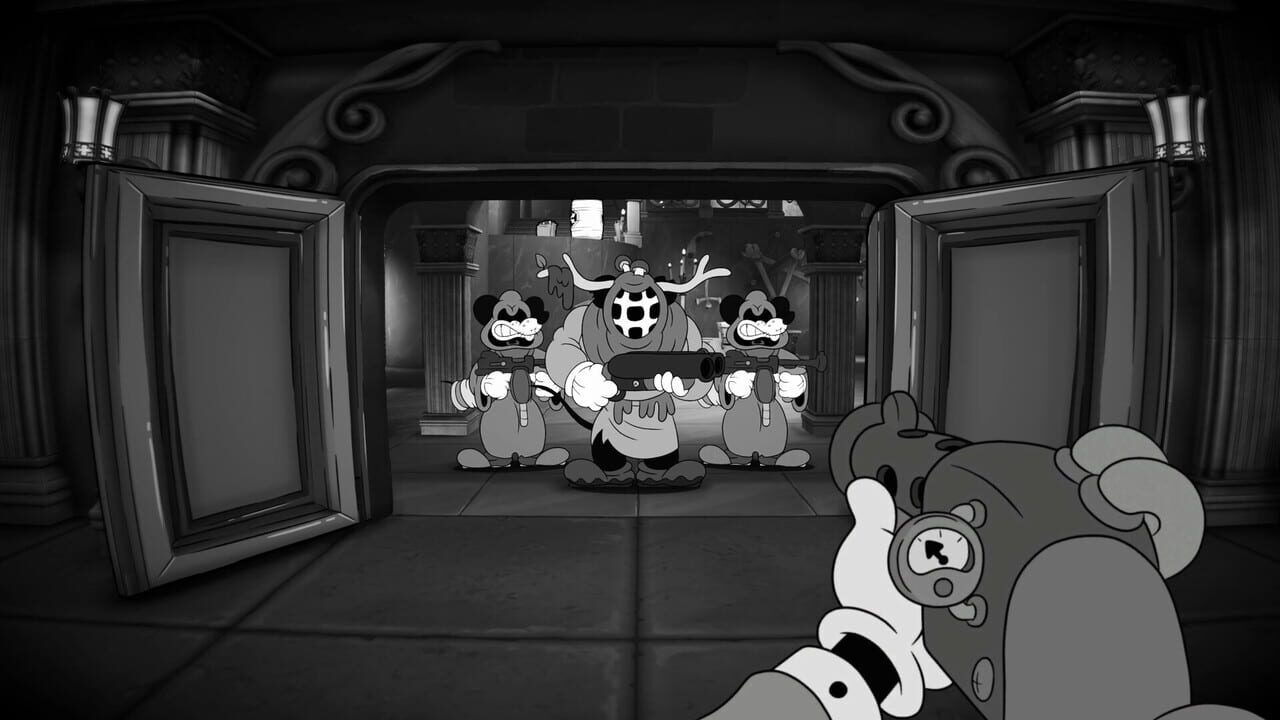
At the heart of the debate is the game's mechanical lineage. Critics often compare Mouse: P.I. to the investigative heavyweights of the last decade, such as L.A. Noire. In Rockstar’s period piece, the deduction system was a high-fidelity interrogation simulator where reading facial tics was paramount. Mouse: P.I., however, eschews this realism for a more tactile, "vibe-centric" approach. For the average Steam user, the joy isn't in the complexity of the puzzle, but in the atmospheric immersion of being a hard-boiled rodent in a world that looks like a lost Steamboat Willie fever dream.
The IGN Critique: A Case of Misaligned Expectations?
IGN’s review focused heavily on the "binary" nature of the evidence gathering. The reviewer argued that the game "holds the player's hand too tightly," preventing the kind of "aha!" moments found in titles like Sherlock Holmes: Chapter One. In Sherlock, Frogwares implemented a "Mind Palace" system that required players to manually link clues, often leading to incorrect conclusions if the player wasn't careful. Mouse: P.I. automates much of this process, which critics view as a lack of depth.

However, the Steam community argues that this "automated" deduction is actually a feature, not a bug. They point to the "flow state" that Mouse: P.I. maintains. By not forcing the player to spend twenty minutes squinting at a clue board, the game keeps the pacing tight and the noir atmosphere front and center. For a $30 indie title, players aren't looking for a Sherlock-level simulation; they’re looking for an interactive cartoon that lets them feel like a cool detective without the mental fatigue.
The "Rubber-Hose" Factor: Style as Substance
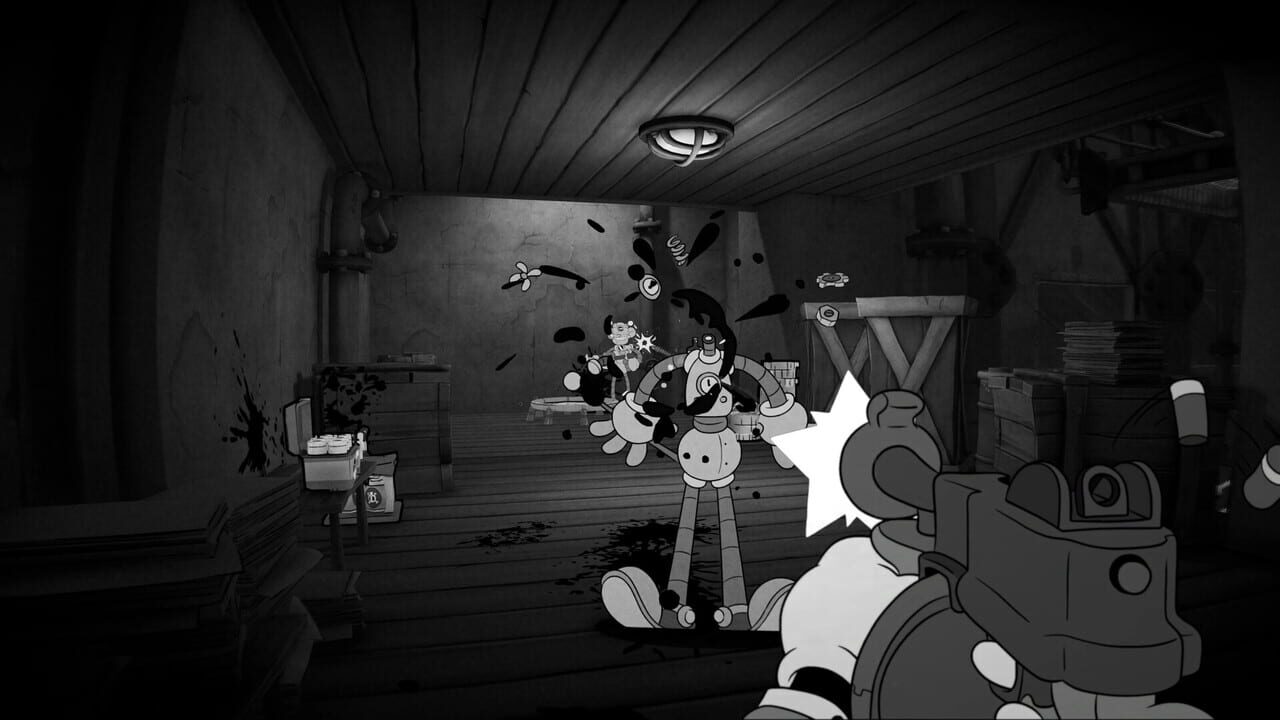
One cannot discuss Mouse: P.I. without acknowledging its breathtaking visual style. The 1930s rubber-hose animation isn't just a skin; it's the game's primary gameplay driver. Every frame is hand-drawn, and every animation—from the way Mouse lights his cigarette to the way he leans against a rainy brick wall—is dripping with character.

Critics often dismiss "style over substance," but the Steam audience recognizes that in a detective game, style is substance. The feeling of being in a specific era and place is the core appeal of the genre. When you're walking through the smog-filled streets of "Rodent City," the mechanical simplicity of the clues becomes secondary to the sheer aesthetic pleasure of the environment. This is a lesson that even high-budget titles like L.A. Noire sometimes struggled with, occasionally feeling clinical in their pursuit of realism.
The Difficulty of Reviewing "Vibe" Games
The clash between the 6/10 and the 95% highlights a growing problem in professional games journalism: how do you score a "vibe"? Professional reviewers are trained to look for mechanical innovation, technical polish, and narrative complexity. Mouse: P.I. intentionally ignores these in favor of a singular, evocative experience.
If a game succeeds perfectly at what it sets out to do—even if that goal is "simple detective fun"—should it be penalized for not being something else? The Steam community's answer is a resounding "no." They judge the game based on its own merits and its price point. To many, IGN's 6/10 felt like a penalty for Mouse: P.I. not being the next Disco Elysium, whereas the players are perfectly happy with it being exactly what it is.
Comparison: The Sherlock Standard
To put the controversy into perspective, we must look at how Mouse: P.I. compares to the current gold standard of investigative mechanics. Sherlock Holmes: Chapter One was praised for its open-world investigation and its refusal to hold the player's hand. It was a "pro" detective game for "pro" detective fans. In Sherlock, you aren't just finding clues; you are interpreting them in a mental landscape that can lead to multiple, conflicting conclusions. If you accuse the wrong suspect, the game continues, forcing you to live with your mistake. This level of consequence is what critics have come to expect from the genre, and its absence in Mouse: P.I. was seen as a regression.

However, this comparison assumes that all detective games must be "solvable" in the same way. Mouse: P.I. occupies the opposite end of the spectrum. It is a "pop" detective game. It’s the difference between reading a dense Raymond Chandler novel and watching a high-quality animated short. Both have value, but they appeal to different parts of the brain. The mistake critics made was evaluating a pop experience through a pro lens. The Steam audience, however, approached the game with the correct expectations. They didn't want a grueling mental exercise; they wanted to participate in a beautifully choreographed noir ballet. The "Mind Palace" in Mouse: P.I. is effectively the player's own imagination, fueled by the incredible art direction rather than complex UI menus.
The Role of Performance and Polish
Another factor in the Steam rating's favor is the game's technical state at launch. While many AAA titles—including recent detective outings—have launched with bugs and performance issues, Mouse: P.I. arrived polished and optimized. In an industry where "fix it later" has become the mantra of large publishers, the technical stability of an indie title is a significant achievement that earns immediate goodwill from players. The community has grown increasingly weary of day-one patches and stuttering frame rates, and Mouse: P.I.’s smooth-as-silk performance on a wide range of hardware was a breath of fresh air.
This "it just works" factor is highly valued by the PC community. A 6/10 review that ignores a game's flawless technical execution feels unfair to players who have grown tired of "broken on arrival" releases. When a game is this beautiful and runs this well, players are much more willing to forgive mechanical simplicity. Furthermore, the game's load times are nearly non-existent, and the transition between gameplay and cutscenes is seamless. This level of "frictionless" gaming is exactly what the modern Steam user is looking for. It allows the atmosphere to remain unbroken, ensuring that the player is never pulled out of the experience by a loading bar or a technical glitch.

This "it just works" factor is highly valued by the PC community. A 6/10 review that ignores a game's flawless technical execution feels unfair to players who have grown tired of "broken on arrival" releases. When a game is this beautiful and runs this well, players are much more willing to forgive mechanical simplicity.
Narrative Pacing vs. Player Agency
The final point of contention is the narrative. Mouse: P.I. tells a very specific, linear story. You are Mouse, you have a job, and you see it through. Critics found this lack of branching paths disappointing. They wanted their choices to matter more, similar to the branching interrogations in L.A. Noire.

But Mouse: P.I. isn't about agency; it's about the journey. The Steam audience appreciated the tight, 8-hour story that didn't overstay its welcome. In an era of 100-hour open-world bloat, a focused, linear experience is a breath of fresh air. The "controversy" isn't about whether the game is good or bad—it's about what we want our games to be.
The Verdict of the Masses
Ultimately, the 95% rating on Steam is a testament to the power of artistic vision. Mouse: P.I. For Hire knew exactly what it wanted to be: a beautiful, atmospheric, accessible noir adventure. It didn't try to reinvent the wheel; it just made the prettiest, most charming wheel in the shop.

IGN's review may be technically accurate in its assessment of the mechanics, but it missed the "soul" of the experience that has resonated so deeply with players. As the gap between professional critics and audiences continues to widen, Mouse: P.I. stands as a prime example of why player sentiment is becoming the more reliable metric for a game's true value.
Conclusion: A New Era for Noir
The Mouse: P.I. controversy will likely be remembered as a turning point in how we evaluate "aesthetic" games. It challenges the notion that complex mechanics are the only way to achieve depth. Depth can be found in the curve of a character's tail, the shadow cast by a lamppost, and the feeling of rain on a pixelated trench coat.

If you're a fan of noir, detective stories, or simply beautiful animation, ignore the professional scores and listen to the people. Mouse: P.I. For Hire is a masterpiece of style, and in 2026, that is more than enough to earn its 95% rating. The mystery of why critics didn't "get it" is easily solved: they were too busy looking at the math to appreciate the art.