The Best Grimdark Games to Play If You Prefer Gritty, Tactical Combat
Grimdark isn't just a setting; it's a philosophy of gameplay. It's the feeling that every resource is scarce, every ally is potentially compromised, and every victory is pyrrhic...
The Best Grimdark Games to Play If You Prefer Gritty, Tactical Combat
Grimdark isn't just a setting; it's a philosophy of gameplay. It's the feeling that every resource is scarce, every ally is potentially compromised, and every victory is pyrrhic. For players who crave this atmosphere but demand more than just narrative bleakness—who want their despair served with a side of deep, punishing, and rewarding tactical combat—the genre offers some of the most intense experiences in gaming. These are worlds where positioning, resource management, and split-second decisions mean the difference between a hard-fought win and a catastrophic, often permanent, loss. The following games masterfully intertwine their oppressive atmospheres with combat systems that demand your full strategic attention, proving that in the darkest futures and most hopeless worlds, only the sharpest minds survive.
Warhammer 40,000: Rogue Trader
Owlcat Games, known for the epic Pathfinder: Wrath of the Righteous, plunged headfirst into the ultimate grimdark setting with Warhammer 40,000: Rogue Trader. You don't play a hero here; you play a Rogue Trader, a figure of immense power and moral ambiguity tasked with expanding the Imperium's reach into the nightmarish Koronus Expanse. The game is a masterclass in tone, presenting a universe where fanaticism is survival and every "good" decision is stained with blood. The tactical combat is a brutal and intricate dance, leveraging the rich lore of Warhammer 40K to create classes and abilities that feel both powerful and terrifyingly costly. Managing your party of zealots, xenos, and psykers requires careful consideration of cover, overwatch, and ability synergies, all while the narrative constantly forces you to make choices that challenge any conventional notion of morality. It’s a CRPG that doesn’t just tell you the galaxy is dark; it makes you wield that darkness as a weapon.
Jagged Alliance 3
If Rogue Trader offers cosmic horror, Jagged Alliance 3 delivers grounded, mud-splattered desperation. This revival of the classic series is the tactical equivalent of a well-worn, slightly malfunctioning rifle: it’s gritty, unforgiving, and brutally effective. The game throws you into a modern-day conflict with a squad of mercenaries who are as much a management challenge as the enemy forces. The tactical system is gloriously granular, simulating everything from ammunition types and weapon jams to vision cones based on stance and time of day. A successful mission requires meticulous planning—setting up overlapping fields of fire, using suppressors to maintain stealth, and leveraging the unique, often dysfunctional, personalities of your hires. The grimdark element here isn’t supernatural; it’s the sheer, exhausting reality of a mercenary war where every bullet costs money, every medic is vital, and failure means watching a character you’ve grown attached to bleed out in the dirt. It’s tactical purity, where victory feels earned because every mistake is painfully tangible.
Dark Souls
No discussion of grimdark tactical combat is complete without Dark Souls, the game that codified "prepare to die" into a genre ethos. Its grimdark is environmental and existential, told through crumbling architecture, cryptic NPCs, and a world long past saving. The combat, however, is where its tactical brilliance shines. Framed as an action RPG, every encounter is a deliberate tactical puzzle. Stamina management, attack timing, enemy pattern recognition, and equipment load are the core strategic pillars. There is no button-mashing your way to victory; a fight against basic hollows can be lethal if you misjudge your stamina or positioning. The infamous boss battles are ultimate tests of this system, demanding observation, adaptation, and precise execution. The unrelenting difficulty and the permanent consequences of death (losing all held "souls") create a constant, palpable tension that makes every step forward a calculated risk. It’s a world that punishes recklessness and rewards meticulous, thoughtful play above all else.
Warhammer: Vermintide 2
For those who prefer their tactical combat in real-time and with friends, Warhammer: Vermintide 2 is a relentless onslaught. Set in the Old World of Warhammer Fantasy, a setting just as grim and perilous as its 40K counterpart, the game is a first-person co-op survival experience. The tactical depth here is found in team composition, positioning, and resource coordination rather than a turn-based grid. Each of the five heroes fulfills a classic RPG role—tank, damage, support—with unique skill trees. Success depends on the team holding chokepoints, managing hordes of Skaven and Chaos warriors, prioritizing special enemies that can disable players, and efficiently sharing healing supplies and ammunition. The grimdark is in the details: the claustrophobic, blood-stained levels, the constant cacophony of battle, and the very real threat of being overwhelmed and torn apart by the swarm. It’s a game where communication and tactical awareness are the only things standing between your party and a gruesome, collective end.
Midnight Suns
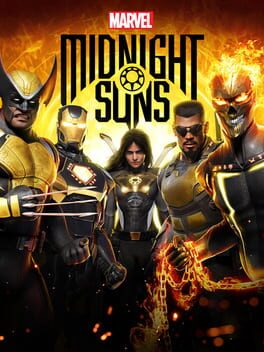
Firaxis, the studio behind XCOM 2, took a surprising turn with Marvel's Midnight Suns, blending superhero fantasy with a genuinely dark, tactical core and social simulation. The premise involves battling the demonic mother of demons, Lilith, which allows for a surprisingly gothic and personal story within the Marvel universe. The tactical innovation is its card-based system. You build decks for each hero, and each turn is a puzzle of managing card draws, energy points, and environmental interactions. The genius is in removing traditional percentage-to-hit randomness; if a card says "knockback," it happens, allowing for guaranteed, elaborate combos. You can slam a villain into an explosive barrel, use a heroism resource to perform a devastating heroic move, or chain card plays together for spectacular effects. The "grimdark" connection lies in the Abbey, your hub, where you strengthen bonds with tormented heroes like Blade, Magik, and the Hunter, uncovering their personal demons. The tactical combat is about creative, guaranteed execution, offering a different kind of strategic satisfaction where planning leads to spectacular, reliable payoff.
XCOM 2: War of the Chosen
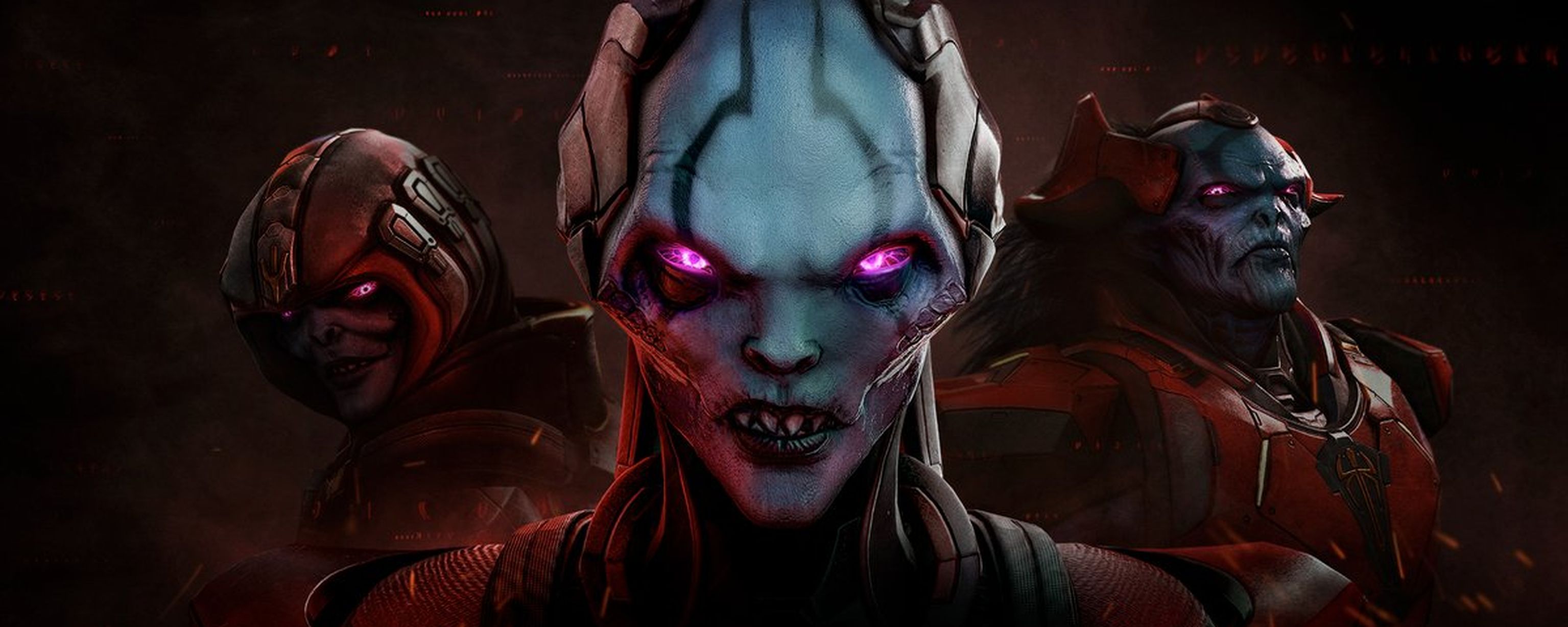
The pinnacle of turn-based tactical tension, XCOM 2: War of the Chosen is grimdark in its premise and its punishment. You lead a guerrilla resistance against an alien occupation of Earth, and the odds are perpetually stacked against you. The tactical combat is a masterwork of risk management. The simple cover system (full, half, none) creates a foundational chessboard where positioning is everything. Every move—advancing a ranger for a flank, setting a sniper on high ground, risking an overwatch trap—carries the potential for disaster thanks to the game’s infamous chance-to-hit percentages. The permanent death of veteran soldiers adds immense weight to every decision. The War of the Chosen expansion layers on formidable enemy bosses and rival soldier factions that dynamically react to your campaign, forcing constant tactical adaptation. It’s a game where a single missed 90% shot can cascade into a squad wipe, perfectly marrying its narrative of a desperate, losing war with a combat system that makes you feel every loss.
The Banner Saga
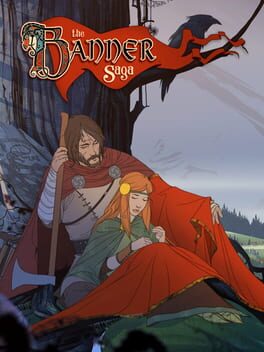
The Banner Saga trilogy offers a uniquely somber and beautiful take on tactical grimdark. Inspired by Norse mythology, it tells a story of a world literally ending, where you must guide a caravan of refugees through a frozen apocalypse. The tactical combat is deceptively simple turn-based strategy on a grid, but it’s deeply intertwined with the narrative. Your units are named characters from your caravan, and injuries sustained in battle carry over into the story, affecting morale and availability. The core twist is the shared pool of strength and armor, where damaging an enemy also reduces their attack power, creating constant strategic dilemmas about who to target first. Resources for upgrading your caravan and feeding your people are agonizingly scarce, and every story choice can lead to the death of beloved characters. The combat is slow, deliberate, and punishing, mirroring the exhausting, hopeless journey of its characters. It’s a masterpiece of ensuring that the tactical decisions on the battlefield have direct, often heartbreaking, consequences in the overarching narrative.
Fire Emblem: Three Houses
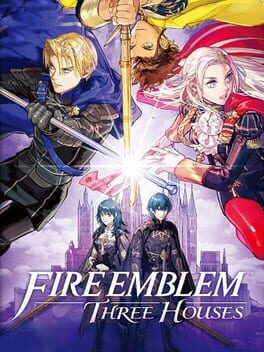
While set in a more traditional fantasy academy, Fire Emblem: Three Houses earns its grimdark stripes through its devastating narrative split and the permanent consequences of its "Classic" mode. The first half of the game is a social sim where you teach one of three houses, bonding with students and shaping their skills. The tactical brilliance is in this customization; you can turn a shy mage into an armored knight or a noble into a deadly assassin. This makes the combat deeply personal. When the time-skip occurs and the academy erupts into a continent-wide war, you are forced to fight against the students you didn’t recruit. The turn-based, weapon-triangle combat is classic Fire Emblem Awakening, but the stakes are horrifically raised. In Classic mode, a character death in battle is permanent, removing them from the story. Leading a former student into a trap to kill them, or watching one of your own fall to a former friend, injects a profound layer of tactical gravity and emotional horror that few games match. The combat system provides the chessboard, but the narrative provides the gut-wrenching weight behind every move.
Ultimately, the best grimdark tactical games are those where the systems of play reinforce the themes of the world. Whether it’s the calculated brutality of Jagged Alliance 3, the cosmic horror management of Rogue Trader, or the personal tragedy of Fire Emblem, these games understand that true darkness isn't just in the story told, but in the difficult, thoughtful, and often painful decisions demanded of the player. They prove that in the darkest of worlds, strategy is the last light—and it’s a light you have to fight like hell to keep lit.
Sources
- https://www.dualshockers.com/best-grimdark-games-you-need-to-play/
- https://darkrpgs.home.blog/2025/11/23/grimdark-jrpgs-for-fans-of-fear-hunger/
- https://steamcommunity.com/sharedfiles/filedetails/?id=3312604457
- https://turnbasedlovers.com/lists/top-10-rpgs-with-the-best-tactical-systems/
- https://www.ign.com/articles/the-10-best-tactics-rpgs
Games referenced in this article
Pathfinder: Wrath of the Righteous
Dark Souls
Warhammer: Vermintide 2
XCOM 2
Marvel's Midnight Suns
XCOM 2: War of the Chosen
The Banner Saga
Fire Emblem: Three Houses