The Action Roguelike Renaissance: Beyond Hades and Hades 2
The explosive success of Supergiant Games' Hades and its sequel redefined what an action roguelike could be, blending fluid, character-driven combat with a compelling, persisten...
The Action Roguelike Renaissance: Beyond Hades and Hades 2
The explosive success of Supergiant Games' Hades and its sequel redefined what an action roguelike could be, blending fluid, character-driven combat with a compelling, persistent narrative. While these titles stand as modern pillars of the genre, they are part of a rich lineage of games that masterfully combine procedural challenge with real-time, skill-based gameplay. The genre's appeal lies in its perfect storm of immediate action, strategic depth from randomized elements, and the "just one more run" compulsion. For players who have conquered the Underworld and are seeking new realms to test their reflexes and adaptability, the landscape is filled with brilliant titles that each put their own spin on the formula, from spaceship management to spelunking adventures.
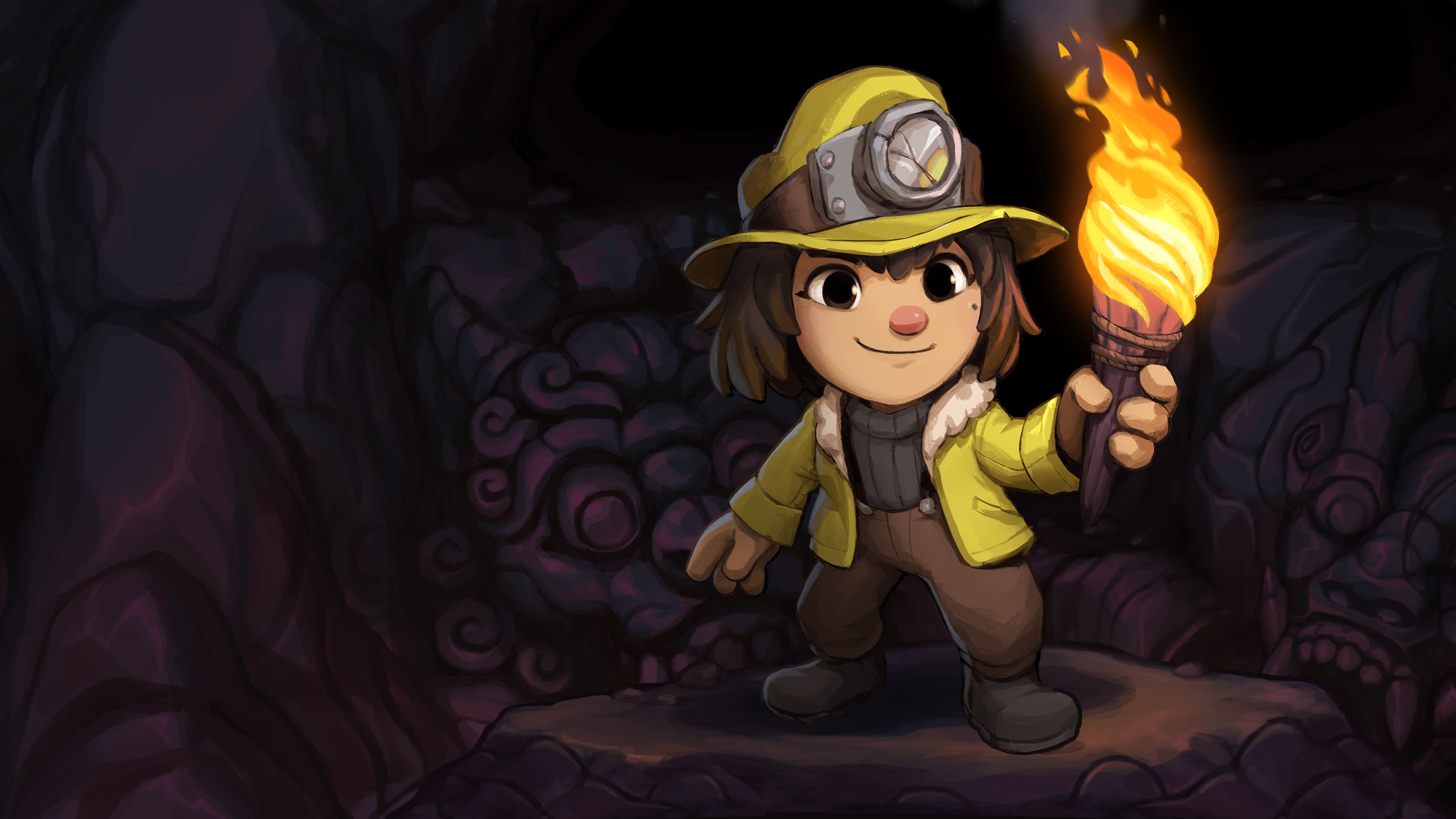
One of the most influential titles in the modern roguelike canon is Spelunky 2. While its core is a 2D platformer, its DNA is pure action roguelike. Every descent into its caverns and later, to the Moon, is a tense, real-time test of precision, improvisation, and risk assessment. The game builds upon the legendary design of its predecessor, offering a huge, interconnected world where every enemy, trap, and item can interact in unexpected and often catastrophic ways. Its difficulty is legendary but fair, demanding that players learn not just patterns, but underlying systems—how to use a rope to disarm a trap, or how a thrown pot can anger a shopkeeper, turning a safe haven into a frantic battle for survival. The action is constant, unforgiving, and deeply rewarding, making each successful run a hard-earned victory.
For a different flavor of systemic, real-time chaos, FTL: Faster Than Light remains a masterpiece. It transplants the action from a character's hands to the command chair of a spaceship fleeing a rebel fleet. The action here is tactical and managerial, playing out in pausable real-time as you frantically route power between shields, engines, and weapons, coordinate your crew to repair breaches and fight off boarders, and target specific enemy systems with your lasers and missiles. Each encounter is a unique puzzle-box of violence, where the solution might be to teleport your mantis warriors into the enemy's weapons bay, vent their oxygen, or simply outrun them. The tension is palpable, and the need for quick decision-making under extreme pressure captures the essence of action-oriented gameplay, even from a top-down perspective. Its legacy as a "spaceship simulation roguelike-like" is secure, having inspired a generation of games that blend strategic resource management with moment-to-moment crisis control.
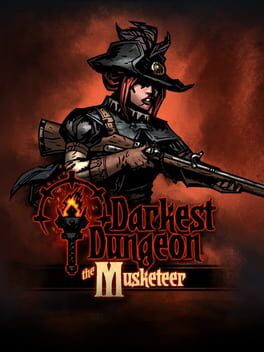
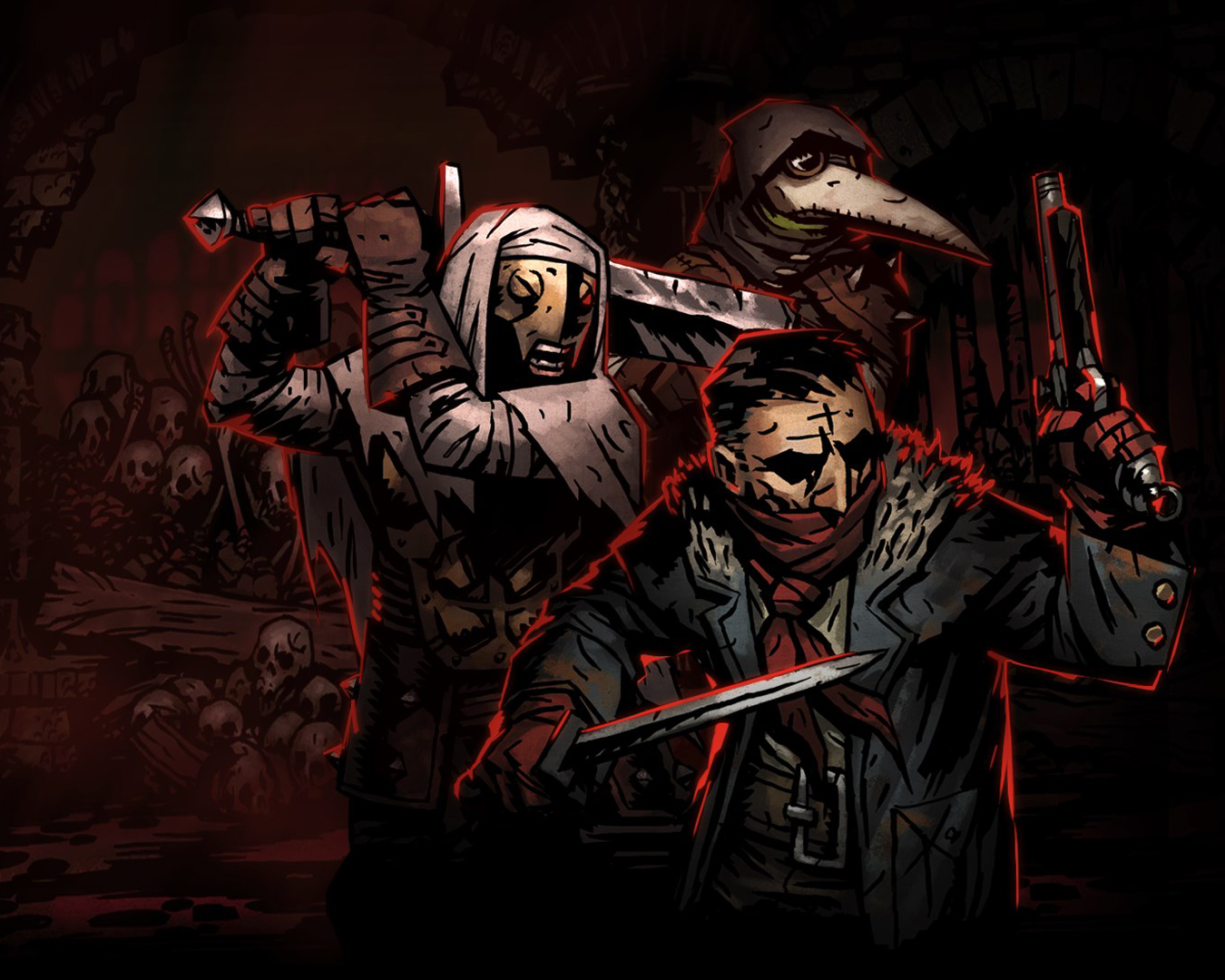
If your taste in action leans towards gothic horror and punishing, turn-based tactics, then Darkest Dungeon: The Musketeer offers a profoundly different but equally intense loop. The action is strategic and methodical rather than reflexive, but the stakes and tension are delivered in real, crushing blows to both the health and sanity of your heroes. Managing a roster of adventurers through Lovecraftian dungeons, you must balance offense, defense, and stress relief in a brutal ballet of positioning and ability cooldowns. The psychological trauma system means that a hero can be physically unharmed but broken by fear, turning on their allies or refusing to act at a critical moment. The DLC adds the Musketeer, a precise ranged damage dealer, to this fraught equation. While not a real-time action game, the pressure of each turn, the threat of permanent loss, and the need to adapt your strategy to random enemy compositions and dungeon layouts provide a strategic action-high that is uniquely its own.
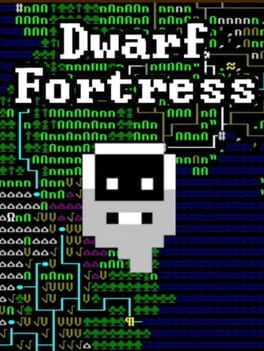
Delving into the genre's more traditional roots reveals titles where the action is intertwined with deep, almost overwhelming simulation. Dwarf Fortress, released initially in 2006, is the primordial ooze from which many modern management and story-generating games evolved. Its "Adventurer Mode" is a true, if unconventional, action roguelike. You explore a vast, procedurally generated world as a single hero, engaging in a detailed combat system that tracks individual body parts, material properties, and pain. The action is less about twitch reflexes and more about understanding a deep simulation—tracking enemies by their footprints, sneaking past monsters using terrain, and aiming your attacks at specific limbs. The sheer depth of its world generation, creating millennia of history, cultures, and legends for you to discover in real-time, makes every adventure uniquely perilous and narratively rich. It is action as exploration and interaction with a living, breathing world.
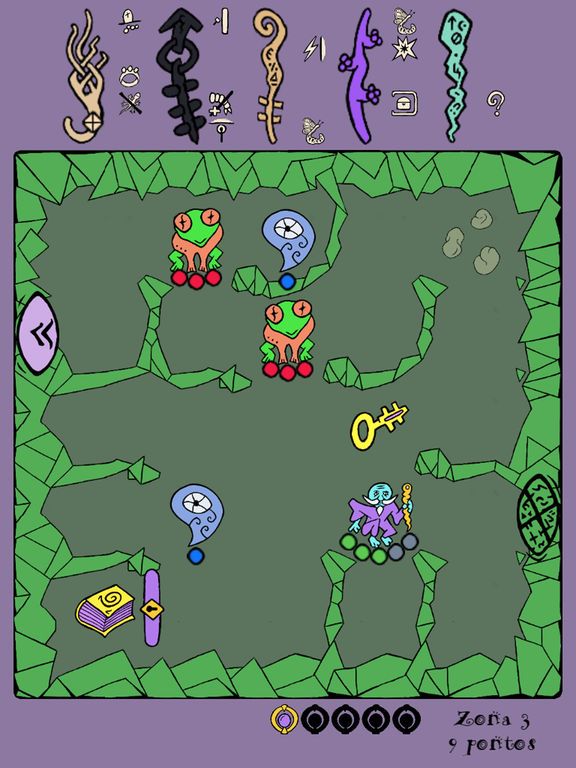
Finally, for a distilled, minimalist take on the action-roguelike formula, Cinco Paus by Michael Brough is a fascinating study. This Portuguese roguelike presents you with five magic wands whose functions are unknown at the start of each run. The action is turn-based on a grid, but the pace is frantic as you experiment, deduce, and often accidentally discover what each wand does through chaotic trial and error. The core gameplay loop is an action puzzle: using unknown tools in a dangerous environment to survive and uncover secrets. Its genius is in forcing improvisation and system mastery in a incredibly compact package. The moment-to-moment decisions—do I zap this enemy with the blue wand or the swirly one?—carry immediate and often hilarious consequences, capturing the emergent, learn-by-doing spirit that defines the best action roguelikes.
The legacy of Hades is its masterful marriage of narrative and responsive combat, but the action roguelike genre is a broad church. From the platforming perfection of Spelunky 2 and the tactical frenzy of FTL, to the psychological warfare of Darkest Dungeon, the simulated adventures of Dwarf Fortress, and the cryptic experimentation of Cinco Paus, there is a style of procedural, run-based action for every type of player. Each of these games demands adaptability, rewards system knowledge, and delivers those sublime, unforgettable moments where a desperate gamble pays off against all odds. They prove that the core thrill of the genre—starting over, armed only with hard-won experience—remains one of gaming's most compelling propositions.