Play Now
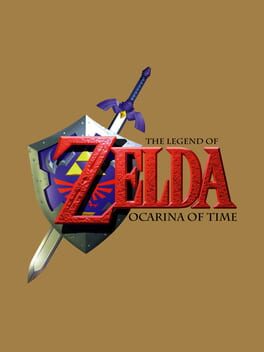 The Legend of Zelda: Ocarina of Time The Legend of Zelda: Ocarina of Time is the fifth main installment of The Legend of Zelda series and the first to be released for the Nintendo 64. It was one of the most highly anticipated games of its age, and is listed among the greatest video games ever created by numerous websites and magazines. The gameplay of Ocarina of Time was revolutionary for its time, it has arguably made more of an impact on later games in the series than any of its predecessors even though they had the same cores of exploration, dungeons, puzzles and item usage. Among the gameplay mechanics, one of the most noteworthy is the time-traveling system. The game begins with the player controlling the child Link, but later on an adult Link becomes a playable character as well and each of them has certain unique abilities. Ocarina of Time also introduces the use of music to solve puzzles: as new songs are learned, they can be used to solve puzzles, gain access to new areas and warp to different locations. Dungeon exploration is somewhat more puzzle-oriented than in earlier games but they are not too complex.
 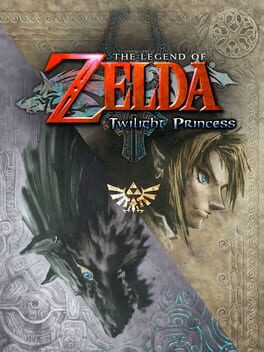 The Legend of Zelda: Twilight Princess The Legend of Zelda: Twilight Princess is the last Zelda game for GameCube, it was highly anticipated by many members of the gaming community and was regarded as finally fulfilling the dreams of those who wanted a much more realistic and mature game than the ones before. The art is similar to the naturalistic style of Ocarina of Time, rather than the cel-shaded look of The Wind Waker. The main adventure takes place in several provinces with dungeons and temples. New to this game is the ability for Link to transform into a Wolf when entering the Twilight. As a wolf, Link can use his senses to solve puzzles and get past obstacles, he can also dig holes to find hearts and rupees. Twilight Princess has received universal acclaim from reviewers and journalists, who cited it as the greatest Zelda game of all time.
 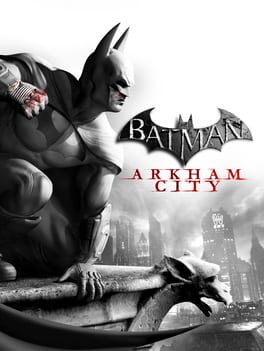 Batman: Arkham City Batman: Arkham City builds upon the intense, atmospheric foundation of Batman: Arkham Asylum, sending players soaring into Arkham City, the new maximum security "home" for all of Gotham City's thugs, gangsters and insane criminal masterminds.
Set inside the heavily fortified walls of a sprawling district in the heart of Gotham City, this highly anticipated sequel introduces a brand-new story that draws together a new all-star cast of classic characters and murderous villains from the Batman universe, as well as a vast range of new and enhanced gameplay features to deliver the ultimate experience as the Dark Knight.
Batman: Arkham City Batman: Arkham City builds upon the intense, atmospheric foundation of Batman: Arkham Asylum, sending players soaring into Arkham City, the new maximum security "home" for all of Gotham City's thugs, gangsters and insane criminal masterminds.
Set inside the heavily fortified walls of a sprawling district in the heart of Gotham City, this highly anticipated sequel introduces a brand-new story that draws together a new all-star cast of classic characters and murderous villains from the Batman universe, as well as a vast range of new and enhanced gameplay features to deliver the ultimate experience as the Dark Knight. 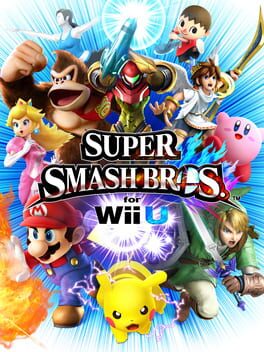 Super Smash Bros. for Wii U Super Smash Bros. for Wii U is the fourth console-based entry in the popular Super Smash Bros. series of fighting games. With an even larger roster of fighters than its predecessors and the introduction eight player battles, Smash for Wii U continues to add to the formula that gamers have loved since 1999.
 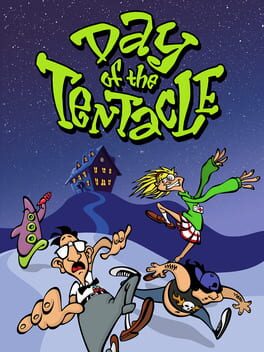 Day of the Tentacle Day of the Tentacle, also known as Maniac Mansion II: Day of the Tentacle, is a 1993 graphic adventure game developed and published by LucasArts. It is the sequel to the 1987 game Maniac Mansion. The game's plot follows Bernard Bernoulli and his friends Hoagie and Laverne as they attempt to stop the evil Purple Tentacle — a sentient, disembodied tentacle — from taking over the world. The player takes control of the three and solves puzzles while using time travel to explore different periods of history.
Dave Grossman and Tim Schafer co-led the game's development, their first time in such a role. The pair carried over a limited amount of elements from Maniac Mansion and forwent the character selection aspect to simplify development. Inspirations included Chuck Jones cartoons and the history of the United States. Day of the Tentacle is the eighth LucasArts title to use the SCUMM engine, and the company's first title to feature voice acting.
The game was released simultaneously on floppy disk and CD-ROM to critical acclaim and commercial success. Critics focused on its cartoon-style visuals and comedic elements. Day of the Tentacle has featured regularly in lists of "top" games published more than two decades after its release, and aspects have been referenced in popular culture.
Day of the Tentacle Day of the Tentacle, also known as Maniac Mansion II: Day of the Tentacle, is a 1993 graphic adventure game developed and published by LucasArts. It is the sequel to the 1987 game Maniac Mansion. The game's plot follows Bernard Bernoulli and his friends Hoagie and Laverne as they attempt to stop the evil Purple Tentacle — a sentient, disembodied tentacle — from taking over the world. The player takes control of the three and solves puzzles while using time travel to explore different periods of history.
Dave Grossman and Tim Schafer co-led the game's development, their first time in such a role. The pair carried over a limited amount of elements from Maniac Mansion and forwent the character selection aspect to simplify development. Inspirations included Chuck Jones cartoons and the history of the United States. Day of the Tentacle is the eighth LucasArts title to use the SCUMM engine, and the company's first title to feature voice acting.
The game was released simultaneously on floppy disk and CD-ROM to critical acclaim and commercial success. Critics focused on its cartoon-style visuals and comedic elements. Day of the Tentacle has featured regularly in lists of "top" games published more than two decades after its release, and aspects have been referenced in popular culture.