Your game
Save it for later
Track progress or keep it in a collection.
Overview
About
Read storyline and full description
Gallery
Media
CheckpointDB editorialCurator context
Spotlight on Diablo II
The absolute, historic king of isometric loot-grinders. Diablo II couples deep, build-defining skill trees and legendary rune-word itemization with highly satisfying, procedurally generated dungeon hack-and-slash loops.
Diablo II is a historic, highly successful action-RPG and loot-grinder that set the absolute, defining blueprint for the entire isometric hack-and-slash genre. Playing as one of seven distinct classes (such as the spellcasting Sorceress or summon-heavy Necromancer), players fight their way through procedurally generated dungeons to defeat the Prime Evils. The game's primary mechanical legacy is its legendary loot and itemization system: players farm copper, rare, and unique gear, coordinate socketed rune words, and manage strict inventory grid space. Traversal is fast-paced, centering on high-speed kinetic spellcasting and melee combat, backed by a deep skill tree system that allows for highly customized, build-defining playstyles (like the frozen orb or corpse explosion).
Strengths
- Legendary, industry-defining loot itemization and socketed rune systems
- Deep and highly rewarding character class skill build variety and progression
- Procedurally generated dungeon layout systems that provide infinite replay value
Caveats
- Inventory grid space is highly limited, requiring constant town portal sorting runs
- Extremely high drop rate rarity forces repetitive boss farming runs for end-game gear
Context
Developed by Blizzard North and released in 2000. It achieved monumental commercial success, selling millions of copies, and remains the gold standard against which all subsequent action-RPGs are measured. Its 2021 remaster, Diablo II: Resurrected, perfectly preserved its core mechanics with updated 3D visuals.
✦ CheckpointDB Lens
Why might I like this game?
A quick, evidence-backed read. Deeper comparisons stay available in the full Lens.
Continue exploring
Explore more
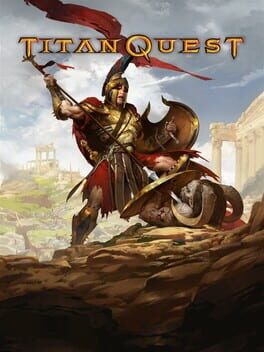
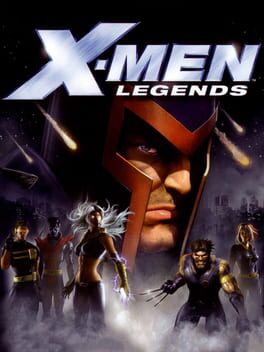
Showing 6 selected matches based on classification and gameplay signals.
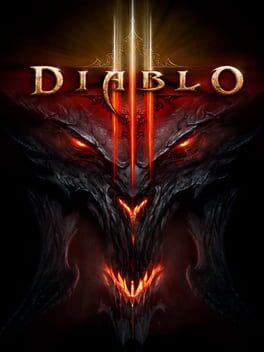
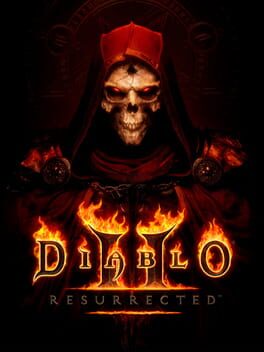
Evidence-backed terms used to organize this game in CheckpointDB.