Master the Waves: 5 Essential Tips for Ship Building and Naval Combat in Windrose Early Access
In the unforgiving waters of Windrose, your ship is far more than a simple transportation tool; it is a complex, living machine that requires constant maintenance, strategic for...
Automated drafting assistance was used in preparing this article; sources and publication remain subject to CheckpointDB editorial review.
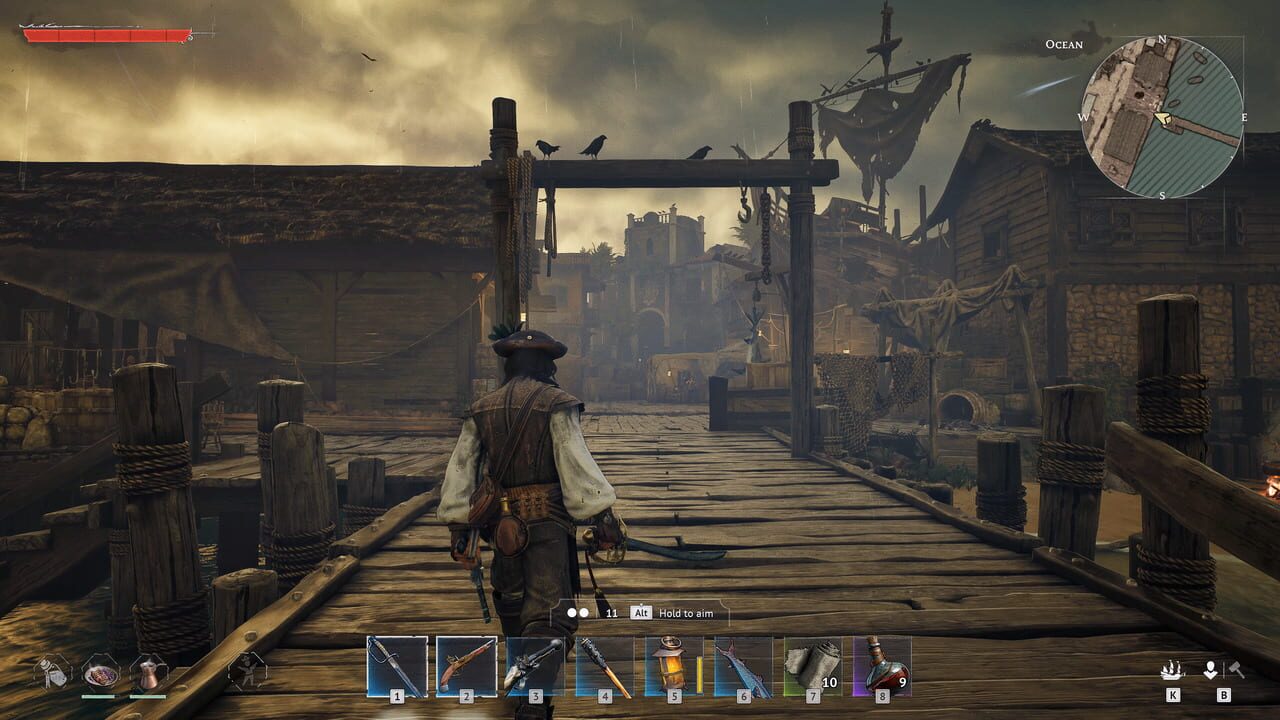
Master the Waves: 5 Essential Tips for Ship Building and Naval Combat in Windrose Early Access
In the unforgiving waters of Windrose, your ship is far more than a simple transportation tool; it is a complex, living machine that requires constant maintenance, strategic foresight, and a deep understanding of maritime physics. Kraken Express has delivered a survival experience where the "Base Building" phase never truly ends, as your vessel must evolve alongside the increasing lethality of the Shattered Archipelago. To help you survive your first hundred hours, we have compiled the definitive guide to ship mastery.
Tip 1: Prioritize Hull Integrity and Center of Mass
The shipbuilding suite in Windrose is deceptive. While it is tempting to build massive, multi-decked galleons as soon as you have the resources, doing so without considering the center of mass is a recipe for disaster. A ship that is "top-heavy" will capsize in even a moderate Level 4 gale. When placing heavy components like cannons or reinforced storage crates, always prioritize the lower decks to ensure a stable center of buoyancy.
Furthermore, hull integrity is not a single health bar. Windrose utilizes a localized damage model where a single hit to the waterline can be more lethal than ten hits to the upper deck. Always keep a surplus of "Iron-Oak Planks" in your quick-access storage; in the heat of combat, you won't have time to descend into the hold to find repair materials.
Tip 2: Master the Technicalities of Sail Trim
Navigating the high seas in Windrose requires a level of active participation that many new players find overwhelming. You cannot simply "point and go." The wind-simulation model in the game calculates the efficiency of your sails based on their angle relative to the wind's apparent direction. Tacking—the process of zigzagging upwind—is a mandatory skill for reaching the lucrative trade routes of the "North Reach."
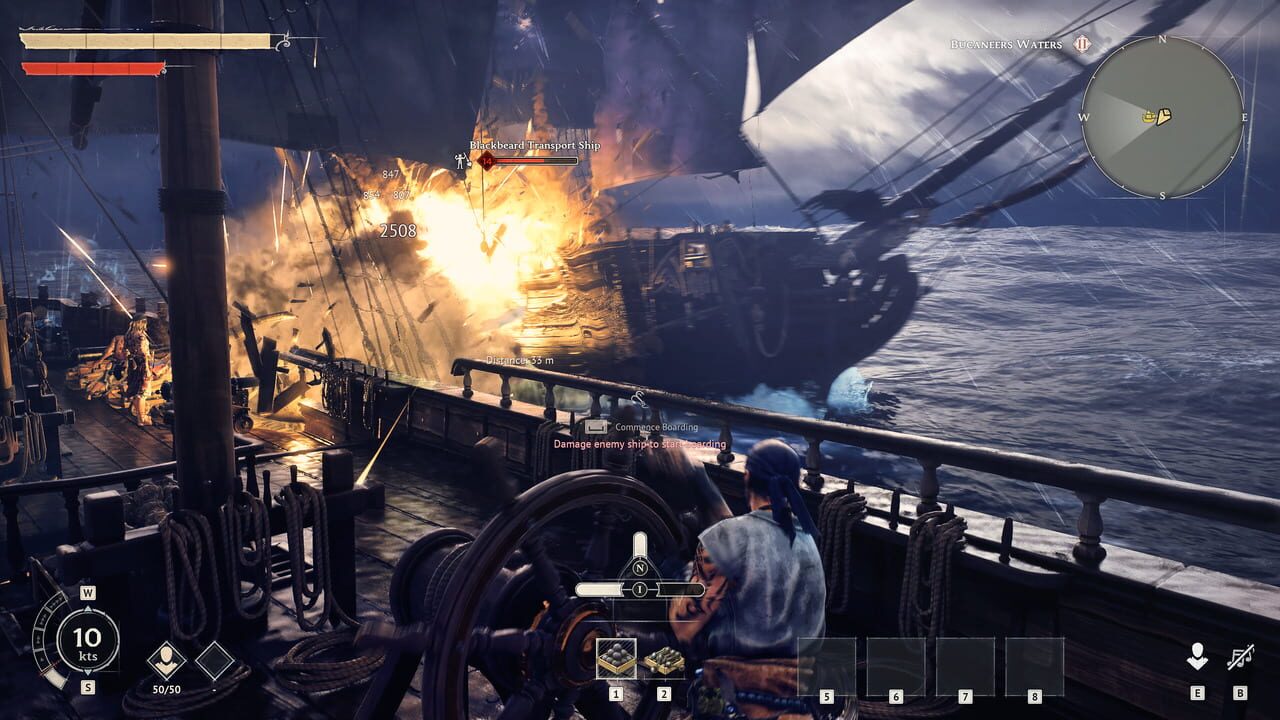
Investing in high-quality "Spider-Silk Canvas" early in the game will significantly reduce the time spent in irons (stalled against the wind). This material is lighter and holds its shape better under high-pressure gusts, allowing for tighter turns and faster acceleration during naval skirmishes.
Tip 3: Naval Ballistics and Range Management
Combat in Windrose is a game of trajectories. Unlike the hit-scan cannons of arcade titles, Windrose's projectiles are subject to gravity, wind drift, and the relative motion of both vessels. To be effective, you must learn to "lead" your shots and account for the pitch and roll of your own ship. Firing from the crest of a wave will give you a slight range advantage, while firing from the trough increases your accuracy against the enemy's hull.

Tip 4: Crew Management and Role Specialization
Whether you are playing solo with an AI crew or with a group of friends, role specialization is the key to surviving high-tier encounters. A ship in Windrose requires constant attention: someone must man the wheel, others must manage the sails, and at least two people should be dedicated to the gun deck and damage control. An uncoordinated crew is an easy target for the game's "Shadow Stalkers"—supernatural pirates that phase through the mist to board unsuspecting vessels.
Tip 5: Strategic Resource Preservation
Finally, never forget that every voyage into the deep ocean is a risk. Windrose uses a "Permaloss" system for ship cargo; if your vessel sinks, you lose everything that isn't stored in a "Void-Link Chest" back at a safe port. Always evaluate the cost of your repairs and ammunition against the potential rewards of a voyage. Sometimes, the most tactical decision you can make is to retreat into the fog and live to sail another day.