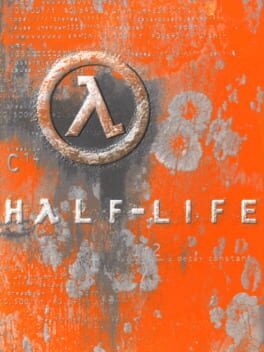
Half-Life vs. Black Mesa: A Masterpiece Reborn for a New Era
The legacy of Half-Life is monumental. Released in 1998, Valve’s debut title didn’t just create a new standard for narrative in first-person shooters; it fundamentally rewrote t...
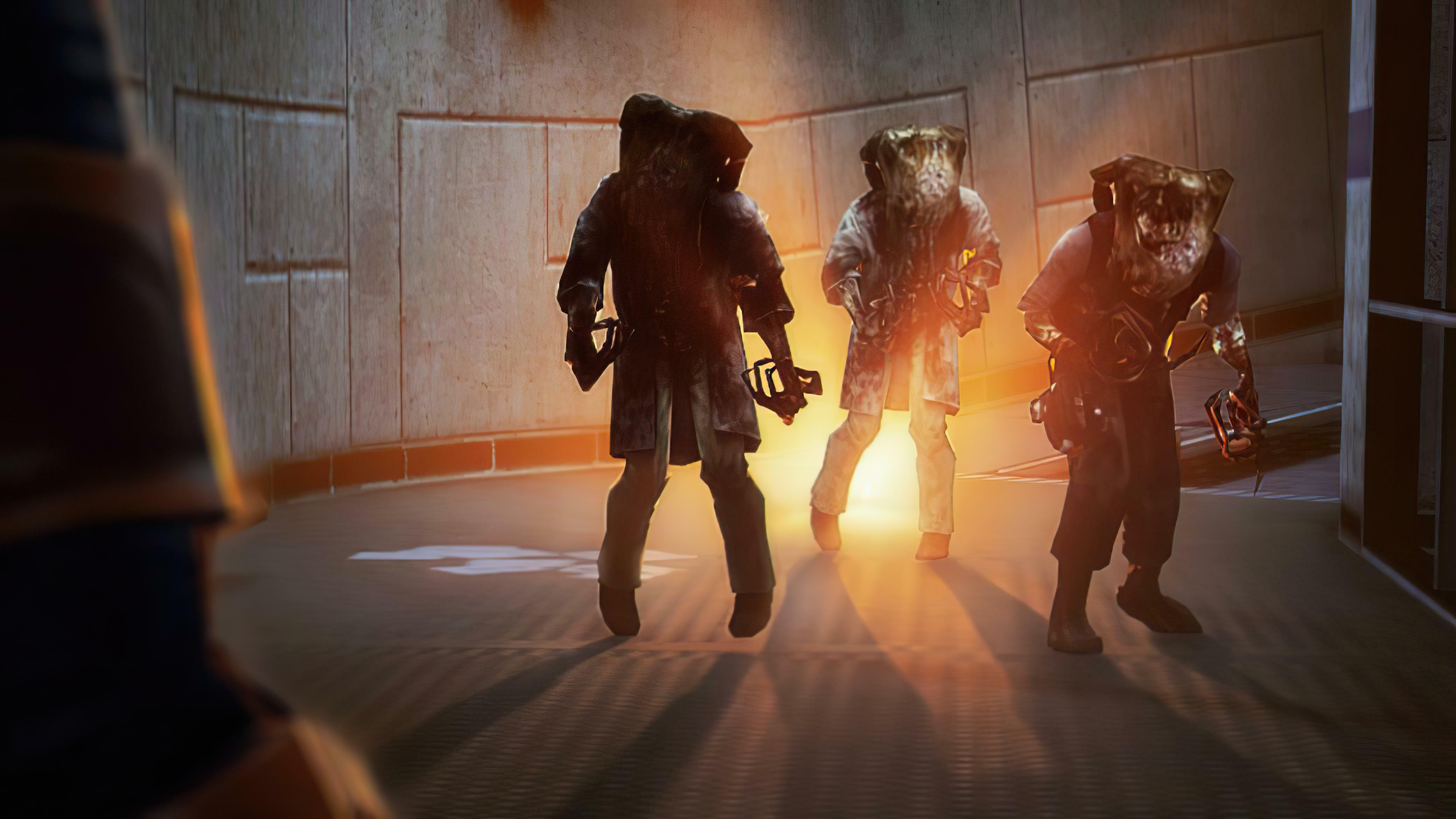
Half-Life vs. Black Mesa: A Masterpiece Reborn for a New Era
The legacy of Half-Life is monumental. Released in 1998, Valve’s debut title didn’t just create a new standard for narrative in first-person shooters; it fundamentally rewrote the rulebook. Its story of theoretical physicist Gordon Freeman’s disastrous day at the Black Mesa Research Facility was told entirely through environmental interaction and scripted sequences, eliminating cutscenes and placing the player directly in the driver’s seat of a cinematic experience. The gameplay loop of exploration, puzzle-solving, and combat against both alien invaders and human black ops forces felt revolutionary. For a generation of gamers, the crowbar, the HEV suit, and the haunting resonance cascade are core memories. However, time is unkind to even the most influential titles. By the 2010s, Half-Life’s GoldSrc engine showed its age, with blocky models, limited textures, and AI that felt increasingly simplistic. The question became: how do you preserve the soul of a classic while making it accessible and thrilling for a modern audience?
The answer, after eight years of passionate development by the community team Crowbar Collective, is Black Mesa. Released in its final form on March 6, 2020, this is not a simple remaster with upscaled textures. It is a ground-up recreation in the powerful Source engine, reimagined with the care and detail of a full-fledged modern AAA title—but with the heart of the 1998 classic beating firmly at its core. The core plot beats remain identical: you are Gordon Freeman, you cause an experiment to go cataclysmically wrong, and you must fight through the ruined facility to survive and potentially set things right. The arsenal is familiar, from the iconic crowbar and 9mm pistol to the satisfying Thumper of the shotgun and the alien organic weaponry. Yet, everything about the presentation is transformed.
Walking through the opening tram ride in Black Mesa is an exercise in awe for anyone familiar with the original. Where Half-Life presented a functional, futuristic lab, Black Mesa feels like a lived-in, massive industrial complex. Vast, echoing chambers replace narrower corridors; stunning outdoor vistas with volumetric fog and dynamic lighting showcase the scale of the disaster. The sound design is phenomenal, with a completely reorchestrated soundtrack that ranges from haunting ambient tracks to pulse-pounding combat themes. The AI of both allies and enemies is significantly improved. Scientists and security guards feel more like individuals reacting to chaos, while enemies like the HECU marines are more tactical and aggressive. These are not just graphical upgrades; they are deliberate design choices aimed at enhancing immersion and deepening the connection to the original’s atmosphere.
The most significant and debated evolution in Black Mesa is its treatment of the final chapters, the Xen borderworld. In the original Half-Life, Xen was often criticized as a jarring, floaty, and tedious conclusion to an otherwise stellar game. The Crowbar Collective saw this not as a sacred element to be preserved, but as a flawed segment to be re-envisioned. The Black Mesa version of Xen is a breathtaking, alien ecosystem. It is expanded from a few hours of gameplay into a sprawling, multi-chapter adventure that feels cohesive and purposeful. The platforming is refined, the environments are lush and terrifyingly beautiful, and the confrontations with the Nihilanth and other alien leaders are elevated to epic, set-piece boss battles. This radical reworking is the team’s boldest creative statement, transforming the game’s weakest link into one of its most memorable and visually stunning segments.
From a critical perspective, both games were triumphs of their respective eras. Half-Life sits at a 96 on Metacritic, a score reflecting its earth-shattering impact in 1998. Black Mesa achieved an impressive 86, a testament to its success as a faithful yet ambitious reinterpretation. Our community rating of 4.35/5 echoes this sentiment, celebrating a labor of love that stands on its own as a premier first-person shooter. Playing them today offers two distinct but connected experiences. The original Half-Life is a historical artifact, a masterclass in foundational game design whose seams are visible but whose genius remains undeniable. Black Mesa is that same masterpiece, reanimated with modern muscle and a visionary expansion of its most ambitious ideas. It is the definitive way for new players to experience Gordon Freeman’s first journey and a deeply nostalgic, yet fresh, adventure for veterans. Together, they bookend a remarkable legacy, proving that a great story and compelling gameplay are timeless, whether viewed through the lens of 1998’s innovation or 2020’s reverence.