Cozy Game Comparison: Stardew Valley vs Animal Crossing vs The Sims 4
Compare Stardew Valley, Animal Crossing, and The Sims 4 by pace, goals, creativity, social play, and the kind of cozy routine each rewards.
Automated drafting assistance was used in preparing this article; sources and publication remain subject to CheckpointDB editorial review.
Choose Stardew Valley for goals, progression, farming, and a town full of authored relationships. Choose Animal Crossing: New Horizons for a gentle real-time ritual, collecting, and decorating a shared island. Choose The Sims 4 for unrestricted character stories and the deepest home-building tools. All can feel cozy, but they create comfort differently: mastery, routine, or authorship.
The differences at a glance
| Game | Core pleasure | Pace | Best creative outlet | Main source of pressure |
|---|---|---|---|---|
| Stardew Valley | Improving a farm and community over repeated days | Structured in-game days and seasons | Farm layout and production planning | The clock, energy, and self-imposed optimization |
| Animal Crossing: New Horizons | Checking in on an island that follows real time | Slow, calendar-based routine | Outdoor island and home decoration | Waiting for time, seasons, or projects |
| The Sims 4 | Creating people, homes, and emergent situations | Player-controlled simulation | Character creation and Build Mode | Needs, household complexity, and optional paid content |
None is inherently more relaxing. A timer can soothe one player by creating rhythm and stress another by turning every day into a route. Total freedom can feel liberating or leave someone without direction. The useful comparison is how each game responds when you ask, “What should I do next?”
Stardew Valley: cozy through meaningful progress
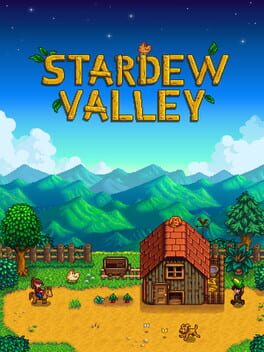
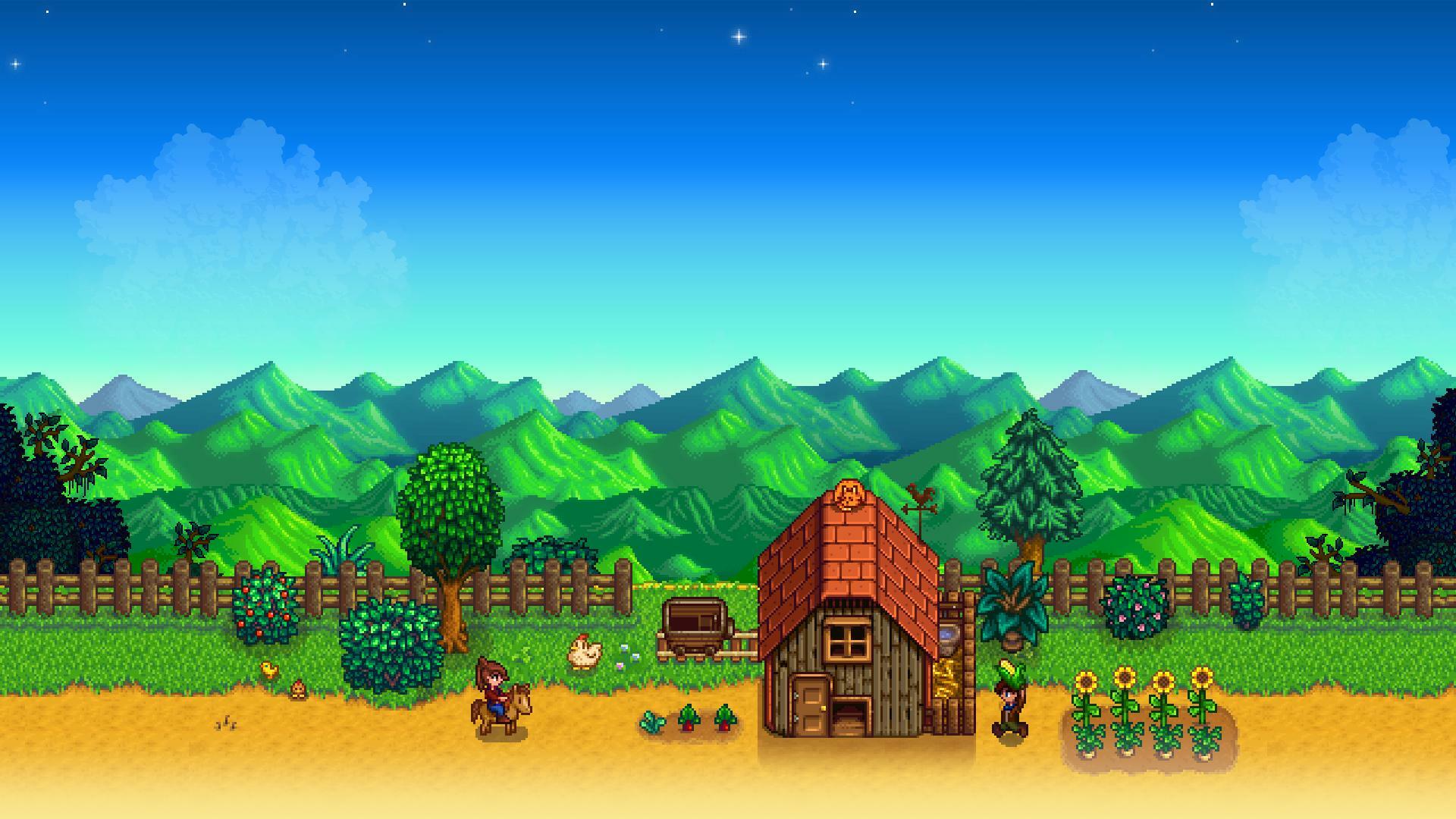
Stardew Valley is an open-ended country-life RPG about inheriting an overgrown farm. Its official feature list is broad: crops, animals, fishing, mining, combat, crafting, skill growth, festivals, friendships, romance, and restoring the local community. That breadth gives nearly every in-game day a purpose.
It is the best choice if comfort comes from turning disorder into a functioning home. Early limitations make improvements tangible. A tool upgrade changes the workday; a sprinkler returns time; a repaired bridge opens resources; a friendship reveals a personal scene. Long-term goals exist, but you can ignore them to fish or rearrange the farm.
The tension is that Stardew's days end on a clock. Seasons change which crops grow and which fish appear. Energy limits early work. Nothing requires a perfectly optimized farm, yet the game supplies enough overlapping opportunities that efficiency-minded players can turn it into a spreadsheet.
The remedy is expectation, not a special build. Choose one or two priorities per day, let missed events return in a later year, and resist treating community restoration as a speedrun. Stardew becomes cozy when progress is cumulative rather than compulsory.
Its social world is authored. Pelican Town residents have schedules, preferences, and personal scenes, so relationships feel like discovering written characters rather than inventing a cast. Choose Stardew when you want both a routine and a destination.
Animal Crossing: cozy through real-time ritual
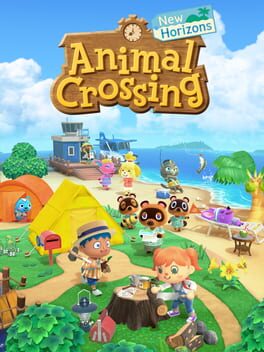
Animal Crossing: New Horizons places daily life on a customizable island. Fishing, bug catching, fossil hunting, gardening, crafting, decorating, and talking with animal residents follow the actual clock and calendar. Nintendo notes that time of day and seasons match real life, with different creatures and events appearing over time.
That structure favors brief check-ins. The island changes even when you are away, shops refresh, and a small task can be enough for one visit. There is progression—upgrading a tent to a house, opening facilities, building bridges, and eventually reshaping terrain—but the experience gradually becomes about maintenance and expression rather than completing a campaign.
New Horizons offers more outdoor decoration than the other two games. Furniture can sit across the landscape, paths organize neighborhoods, and infrastructure turns the original deserted island into a designed community. Collectors also receive clear projects through the museum, recipes, clothing, and seasonal sets.
Real time is both its signature and its limitation. Players who enjoy anticipation may value waiting for tomorrow. Players who want a long weekend session can run out of fresh tasks or resent calendar gates. Shared-console households should also understand that residents live on one shared island, so one person's layout and progression decisions affect the others.
Choose Animal Crossing when a low-stakes appointment sounds comforting: a place to visit, adjust, and leave without losing a competitive season or failing a quest.
The Sims 4: cozy through creative control
The Sims 4 is less a cozy routine than a life-story toolkit. Create a Sim defines appearance, personality, and aspirations. Build Mode lets you design homes room by room. Live Mode then turns households loose among needs, relationships, jobs, accidents, and player-made plans. EA describes its core promise plainly: create Sims, build homes, and play with life.
It is the strongest choice for players who arrive with an idea. You can recreate a house, stage a multi-generation family, build a tiny home, make incompatible roommates, or simply design characters and never unpause the simulation. Unlike Stardew's written townspeople or Animal Crossing's resident rotation, Sims are extensively authored by the player.
Time is flexible. Pause to plan, change speed through routine moments, switch households, or start a new save. That control helps remove urgency, but needs and autonomous behavior can still produce chaos. Some players find that unpredictability funny and restorative; others prefer to disable or manage it carefully.
The base game has been free to download on supported platforms since October 2022, according to EA support. Packs and kits add worlds, objects, careers, and systems, but their volume can make the complete catalog look like an entry requirement. It is not. Start with the base game's Create a Sim and Build Mode, identify what you actually enjoy, and only then consider an expansion that deepens that activity.
Choose The Sims 4 when relaxation means making the rules and telling a story rather than following a designed progression path.
Which game is best for decorating?
Pick The Sims 4 for architecture and interiors. Its room tools, wall placement, furnishing catalog, terrain controls, and household design support the most detailed building process.
Pick Animal Crossing: New Horizons for curating an entire outdoor space one object at a time. The island itself becomes a composition, though placing and moving many items is more tactile and slower than working in a dedicated building interface.
Pick Stardew Valley for functional beauty. A farm layout must account for crops, machines, animals, paths, storage, and travel time. Decorating exists, but the satisfying question is often whether the space works as well as it looks.
Which is best for relationships and social play?
Stardew provides the strongest authored character arcs and conventional romance. The Sims 4 provides the greatest freedom to create relationships, but much of their meaning comes from the scenario you invent. Animal Crossing residents are charming daily companions rather than characters in a tightly escalating drama.
For playing with other people, the formats differ. Stardew's co-op lets friends work on the same farm. Animal Crossing supports residents sharing an island and visitors arriving through local or online play, with ownership constraints tied to that island. The Sims 4 is designed as a single-player simulation; its social dimension is sharing creations and stories rather than controlling one household together.
The right first pick
Choose Stardew Valley if you want the best balance of direction and freedom. Choose Animal Crossing if ten calm minutes a day sounds better than a three-hour project. Choose The Sims 4 if character creation or house plans already occupy your imagination.
There is no need to optimize comfort. Stardew permits slow years, Animal Crossing tolerates absences, and The Sims 4 lets you pause. The coziest choice is the structure that supports how you rest: visible progress, a familiar daily place, or a blank canvas that waits for your idea.
Sources
- Stardew Valley: About — Official Developer Page
- Explore Your Island — Official Animal Crossing: New Horizons Page
- Create Your Getaway — Official Animal Crossing: New Horizons Page
- Animal Crossing: New Horizons Save Data and Multiplayer FAQ
- The Sims 4 — Official EA Game Page
- How to Download The Sims 4 Base Game — EA Help