Research-backed game lineage

Super Smash Bros.

Super Smash Bros. is included in the Series Atlas after independent recognition and an authoritative game-by-game roster audit. Editions, simple ports, DLC, bundles, canceled projects, and cameo-only appearances are excluded.

6 curated games 1999–2018 release span 0 connected branches
Super Smash Bros. coverSuper Smash Bros. Melee coverSuper Smash Bros. Brawl coverSuper Smash Bros. for Nintendo 3DS coverSuper Smash Bros. for Wii U cover

Release chronology

The complete path.

Ordered by researched series position, then original release date. Ports, DLC, and duplicate editions are intentionally excluded.

6 games in this lineage

01 Super Smash Bros. cover
Mainline1999

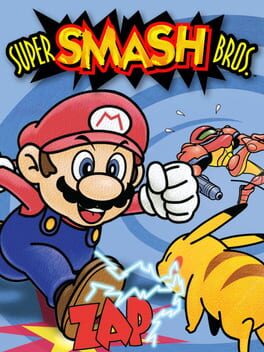
Super Smash Bros.

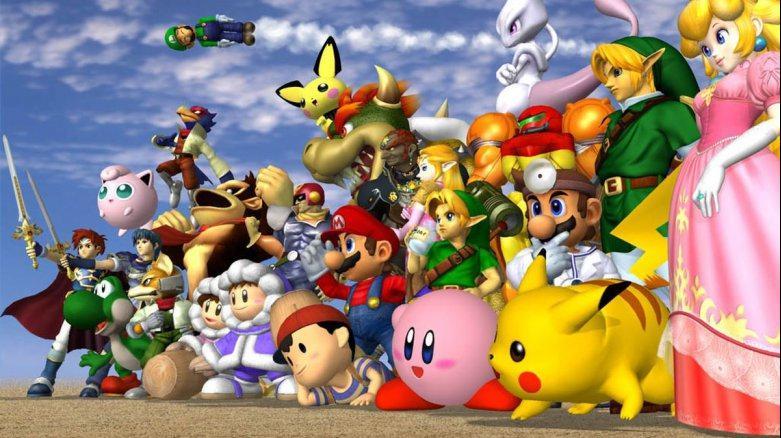
Super Smash Bros. is a crossover fighting video game between several different Nintendo franchises, and the first installment in the Super Smash Bros. series. Players must defeat their opponents multiple times in a fighting frenzy of items and power-ups. Super Smash Bros. is a departure from the general genre of fighting games: instead of depleting an opponent's life bar, the players seek to knock opposing characters off a stage. Each player has a damage total, represented by a percentage, which rises as the damage is taken.

Jan 21, 199983/100
02 Super Smash Bros. Melee cover
Mainline2001

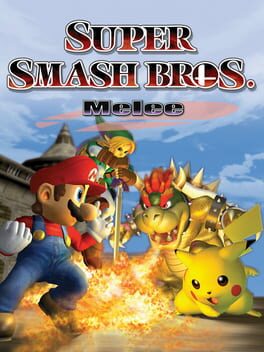
Super Smash Bros. Melee

A crossover platform fighting game featuring characters from Nintendo franchises including Mario, The Legend of Zelda, Star Fox, Pokémon, and Fire Emblem. Unlike traditional fighters, the goal is to knock opponents off the stage rather than deplete a health bar. Damage accumulates as a percentage, increasing the distance a character is launched when hit. Players use simple one-button inputs combined with joystick directions to execute moves. The game supports up to four players simultaneously and includes various single-player modes alongside its multiplayer focus. Its fast-paced, aggressive gameplay fostered a long-running competitive esports scene that persisted well beyond the game's original lifespan.

Nov 21, 200194/100
03 Super Smash Bros. Brawl cover
Mainline2008

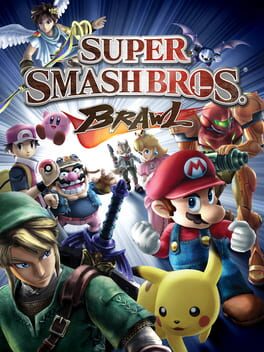
Super Smash Bros. Brawl

Super Smash Bros. Brawl is the third installment in the Super Smash Bros. series and the follow-up to Super Smash Bros. Melee. This edition introduces super attacks referred to as final smashes, as well as a brand-new adventure mode in The Subspace Emissary which is a side-scrolling adventure in the style of a platformer. It retains all basic mechanics of the Super Smash Bros. series, such as a damage meter, stocks, and Smash-style attacks.

Jan 31, 200887/100
04 Super Smash Bros. for Nintendo 3DS cover
Mainline2014

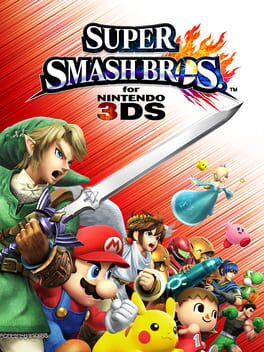
Super Smash Bros. for Nintendo 3DS

Super Smash Bros. for Nintendo 3DS is the first portable entry in the renowned series, in which game worlds collide. Up to four players battle each other locally or online using some of Nintendo’s most well-known and iconic characters across beautifully designed stages inspired by classic portable Nintendo games. It’s a genuine, massive Super Smash Bros. experience that’s available to play on the go, anytime, anywhere.

Sep 13, 201481/100
05 Super Smash Bros. for Wii U cover
Mainline2014

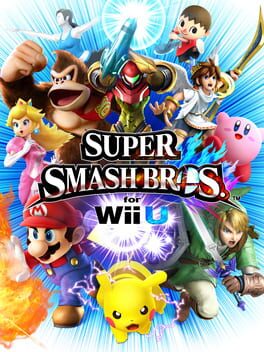
Super Smash Bros. for Wii U

Super Smash Bros. for Wii U is the fourth console-based entry in the popular Super Smash Bros. series of fighting games. With an even larger roster of fighters than its predecessors and the introduction eight player battles, Smash for Wii U continues to add to the formula that gamers have loved since 1999.

Nov 21, 201489/100
06 Super Smash Bros. Ultimate cover
Mainline2018

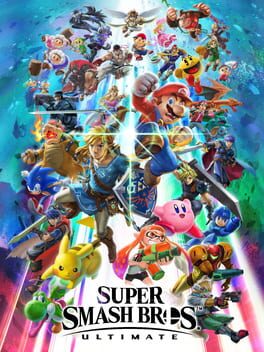
Super Smash Bros. Ultimate

Super Smash Bros. Ultimate is a crossover fighting game for the Nintendo Switch and the fifth main entry in the series. It features every playable fighter from previous installments alongside new additions such as Inkling and Ridley. The game includes faster combat, new items, and expanded defensive mechanics. Modes include local and online multiplayer, a single-player adventure mode called World of Light, and various casual and competitive rulesets.

Dec 7, 201887/100

Sources and method

Built from the public record.

Membership is researched from external official and independent sources. Mainline games, direct spin-offs, remakes, remasters, and standalone expansions are included; DLC, simple ports, duplicate editions, compilation-only duplicates, rumors, cancellations, and cameo-only crossovers are excluded.

  1. database Super Smash Bros. collection — IGDB

    IGDB maintains a distinct collection record for Super Smash Bros. and supplies the authoritative roster used for membership verification.

  2. reference List of best-selling video game franchises

    The independent catalog recognizes Super Smash Bros. as a multi-game franchise and supports its inclusion in this major-series research sweep.