Your game
Save it for later
Track progress or keep it in a collection.
Overview
About
Read storyline and full description
Gallery
Media
CheckpointDB editorialCurator context
Spotlight on Octopath Traveler II
An absolutely spectacular, visually stunning JRPG masterwork. Octopath Traveler II merges breathtaking HD-2D visuals and dynamic lighting with the strategic Break-and-Boost turn battle system and eight distinct, beautifully scored character stories, delivering an essential modern standard for the genre.
Octopath Traveler II is a breathtaking, retro-modern JRPG masterpiece that blends gorgeous HD-2D graphics (retro pixel-art characters set inside high-fidelity 3D environments with dynamic lighting) with eight distinct character storylines. You coordinate a party of eight travelers, navigating the vast world of Solistia. Combat is built on the 'Break and Boost' turn-based system: enemies possess specific weapon and elemental weaknesses; hitting them with matching damage types depletes their shield points, triggering a 'Break' state that cancels their turn and scales damage. Players accumulate 'BP' (Boost Points) every turn, spending up to 3 BP in a single turn to execute multiple attacks or multiply spell damage. The game's primary mechanical loop is the 'Path Actions' system: each character can interact with town NPCs in unique ways depending on the day-night cycle—such as stealing items, recruiting allies to summon in battle, gathering information, or challenging citizens to combat.
Strengths
- Stunning, industry-leading HD-2D pixel graphics and dynamic lighting
- Highly strategic and satisfying Break-and-Boost turn combat systems
- Excellent and deep dual-Path Actions social interaction mechanics
Caveats
- Story campaign is very long (60-80 hours)
- Narrative stories of the eight characters remain somewhat disconnected
Context
Developed by Acquire and Square Enix, and released in 2023 to universal critical acclaim. It improved upon the original game in every category, praised for its outstanding soundtrack by Yasunori Nishiki and its mature, character-driven storytelling, cementing HD-2D as a major stylistic force.
✦ CheckpointDB Lens
Why might I like this game?
A quick, evidence-backed read. Deeper comparisons stay available in the full Lens.
Continue exploring
Explore more
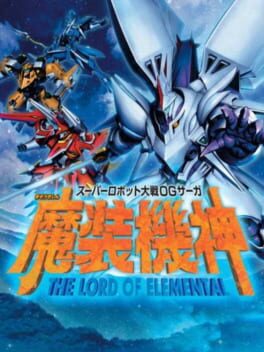 Super Robot Taisen OG Saga: Masou Kishin - The Lord of ElementalRPG
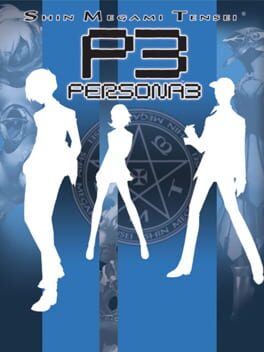 Persona 3RPG
 Mega Man Star Force 3: Black AceRPG
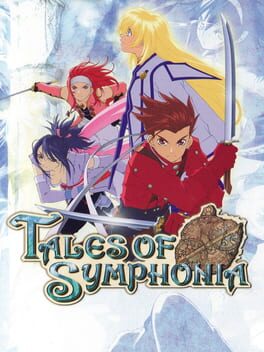 Tales of SymphoniaRPG
 OmoriRPG
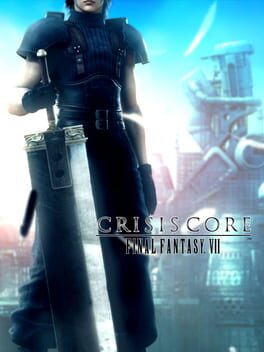 Crisis Core: Final Fantasy VIIRPG
Showing 6 selected matches based on classification and gameplay signals.
Evidence-backed terms used to organize this game in CheckpointDB.