Your game
Save it for later
Track progress or keep it in a collection.
Overview
About
Gallery
Media
CheckpointDB editorialCurator context
Spotlight on Blade and Sorcery
The absolute gold standard of VR physics-driven melee combat. Blade and Sorcery discards generic visual slicing in favor of strict, weight-based medieval collisions, parries, and climbing physics that respect your movement like no other VR game.
Blade and Sorcery is a groundbreaking, highly strategic VR sandbox combat game that completely redefined virtual reality melee combat with its fully physics-driven engine. Rejecting traditional canned animations, every sword swing, shield block, and physical impact is calculated in real-time based on weight, weapon velocity, and collision boxes. Players engage in gladiatorial arena combat, utilizing a vast arsenal of realistic medieval weapons (swords, axes, daggers, maces) and high-tier magic spells (lightning, fire, gravity). The mechanical heart of the game is its strict physics collision: weapons can clash, deflect, and physically slide off iron armors, requiring players to target exposed seams in medieval plates. Traversal is highly active, featuring full-body climbing physics, telekinesis weapon-recalls, and slow-motion focus parameters that allow players to perform precise parries.
Strengths
- Flawless, fully physics-driven melee weapon and shield collision systems
- Exceptional full-body physical climbing and movement traversal mechanics
- Superb magic integration including gravity grabs and telekinesis recalls
Caveats
- Lacks a deep, structured narrative story campaign, functioning mostly as a sandbox
- Requires high physical stamina and triggers severe VR motion sickness in beginners
Context
Developed by WarpFrog and released in Early Access in 2018, culminating in its massive 1.0 release in 2024. It became a global VR sensation and a benchmark for physics-driven virtual design, praised by virtual reality enthusiasts worldwide for its unmatched mechanical simulation and mod support.
✦ CheckpointDB Lens
Why might I like this game?
A quick, evidence-backed read. Deeper comparisons stay available in the full Lens.
Continue exploring
Explore more
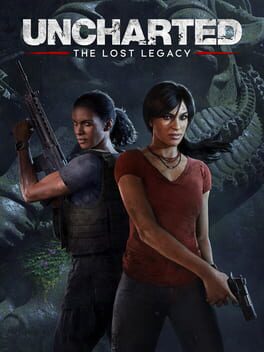 Uncharted: The Lost LegacyAction
 Saints Row: The ThirdAction
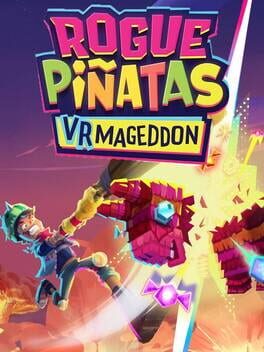 Rogue Piñatas: VRmageddonAction
 Yakuza 3Action
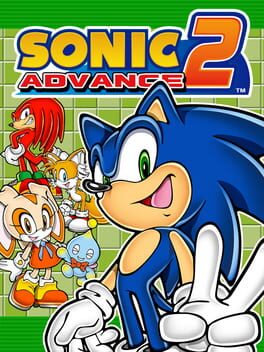 Sonic Advance 2Action
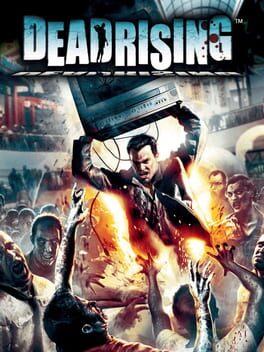 Dead RisingAction
Showing 6 selected matches based on classification and gameplay signals.
Evidence-backed terms used to organize this game in CheckpointDB.